
Facts 17/12/2025 13:40
Viking Sheep With Four Horns Have Returned From Near Extinction in Britain
When people hear the word Vikings, they often imagine fearsome warriors, dragon-prowed longships cutting through icy seas, or ancient rune stones standing against bleak northern skies. Yet when Norse explorers arrived in Britain more than a thousand years ago, they brought something far less menacing than axes or swords. Alongside their tools, traditions, and livestock came an unlikely legacy: a remarkable breed of sheep—one so unusual that it could grow not just two horns, but sometimes four, and in rare cases even more.
Once widespread across parts of Britain, these distinctive sheep became a familiar sight on rugged hillsides and windswept coastlines. Over time, however, their strange silhouettes faded from the landscape, nearly erased by the demands of modern agriculture. Today, thanks to dedicated conservationists and small-scale farmers, this living remnant of the Viking Age is slowly reclaiming its place in Britain’s rural heritage.
Wool Across the Waves: The Viking Arrival
More than a millennium ago, Norse settlers crossed the North Atlantic in search of land, resources, and opportunity. Survival in unfamiliar territory depended on adaptability, and that extended beyond human endurance to the animals they brought with them. The Vikings carefully selected livestock capable of thriving in harsh climates and on poor grazing land.
Their animals included sturdy ponies for transport, cattle for milk, goats for versatility, and sheep that provided wool, meat, and dairy. These were not the heavily built, high-yield breeds of modern farming. Viking sheep were lean, resilient, and genetically diverse—qualities essential for life in exposed environments. One of their most striking traits was polyceraty, a genetic condition allowing them to grow multiple horns.
The Importance of Sheep in Viking Society
Sheep played a central role in Viking daily life. Wool was vital for clothing and sails, meat sustained communities through long winters, and milk products added essential nutrition. Beyond their practical value, these animals symbolized self-sufficiency and resilience—traits deeply admired in Norse culture.
As Vikings settled in regions such as northern England, Scotland, and the Isle of Man, their sheep became integrated into local farming systems. Over generations, these animals adapted to regional conditions, leaving a genetic and cultural imprint that persisted long after the Viking Age itself had ended.
The Sheep with Many Horns
What truly distinguished these sheep was their extraordinary appearance. Polycerate sheep could grow two, four, or occasionally even six horns, forming dramatic, crown-like shapes atop their heads. These horns were not merely decorative; they likely played a role in mating displays, social hierarchy, and defense.
Physically, Viking-descended sheep were smaller and lighter than today’s commercial breeds. Their wool was typically coarse and naturally colored—black, brown, or piebald—making it ideal for durable garments. While less profitable by modern standards, their hardiness allowed them to survive where other breeds struggled.
From Commonplace to Nearly Lost
The decline of these sheep began in earnest during the 19th and early 20th centuries. Industrialization transformed agriculture, prioritizing efficiency and profit. New sheep breeds were developed to grow faster, produce more meat, and yield finer wool. Compared to these commercial animals, the old Viking sheep were considered inefficient and outdated.
As a result, their numbers fell sharply. By the mid-20th century, only small, isolated populations remained, often confined to remote islands or maintained by a handful of traditional farmers. Extinction seemed a very real possibility.
Preserving a Living Relic
Fortunately, awareness of heritage breeds has grown in recent decades. Conservationists recognized that losing these sheep would mean more than the disappearance of an odd-looking animal—it would represent the loss of irreplaceable genetic diversity and cultural history.
Breeds such as the Manx Loaghtan and Hebridean, both descended from Viking sheep, are now protected through careful breeding programs. Their populations remain modest, but they are no longer on the brink. Today, they graze on heritage farms, nature reserves, and historic estates, offering a tangible connection to Britain’s distant past.
Why These Sheep Still Matter
The effort to preserve Viking-descended sheep goes beyond nostalgia. These animals carry genetic traits such as disease resistance, efficient grazing, and climate tolerance—qualities that may prove invaluable as agriculture faces challenges from climate change and emerging diseases.
Culturally, they serve as living links between archaeology, folklore, and rural tradition. Unlike artifacts locked behind museum glass, these sheep move, graze, and interact with the landscape much as their ancestors did a thousand years ago. They also play a role in education and tourism, helping people experience history in a vivid, memorable way.
A Living Bridge to the Viking Age
Seeing a four-horned sheep standing against a windswept field is a powerful reminder that history is not always silent or still. These animals embody continuity. Their wool and horns echo an era of longships, migration, and survival at the edge of the known world.
As their numbers slowly increase, Viking sheep remind us that preservation is possible when people choose to value diversity over uniformity. Their survival is not just an agricultural success story, but a testament to resilience, stewardship, and respect for the past.
Final Reflections
The story of the Viking sheep is more than a historical curiosity. It teaches us that endurance often comes in unexpected forms. These animals survived centuries of change because a few individuals recognized their worth and refused to let them disappear.
In a world that favors speed, efficiency, and standardization, the Viking sheep stands apart—a woolly symbol of persistence and individuality. Protecting them is not about living in the past, but about preserving options for the future. After all, if a four-horned sheep can survive a thousand years of upheaval, it may have more to teach us than we realize.
And if you ever find yourself walking through the hills of Scotland or the fields of the Isle of Man, take a closer look. You may just encounter a piece of living history gazing back at you—horns, wool, and all.
News in the same category

Introducing NEO: The $20,000 Humanoid Robot That Will Revolutionize Your Home

Michelin's Game-Changing Airless Tires: No Punctures, No Blowouts, Just Pure Innovation

Experience the Ultimate 4,000-Mile Canadian Train Adventure for Just $558

Revolutionary mRNA Vaccine Shows Early Promise in Defeating Deadly Brain Cancer

Is Intelligence Linked to Political Ideology? New Research Reveals Surprising Findings

Shocking Rise in Cognitive Disabilities Among Young Adults – A Decade-Long Yale Study Reveals Startling Trend

MIT's Groundbreaking mRNA Vaccine Technology Boosts Effectiveness 100 Times and Reduces Toxicity

Leucine’s Hidden Power: How an Essential Amino Acid Boosts Mitochondrial Energy and Cellular Health
Wildlife Populations Have Declined by 73% in the Last 50 Years, Scientists Warn

Mariana Trench -The deepest location on Earth

The Amazon Rainforest vs. The Oceans: Who Really Produces Earth’s Oxygen?

The Walking Trees of Ecuador: They Reportedly Move Up to 20 Meters Per Year
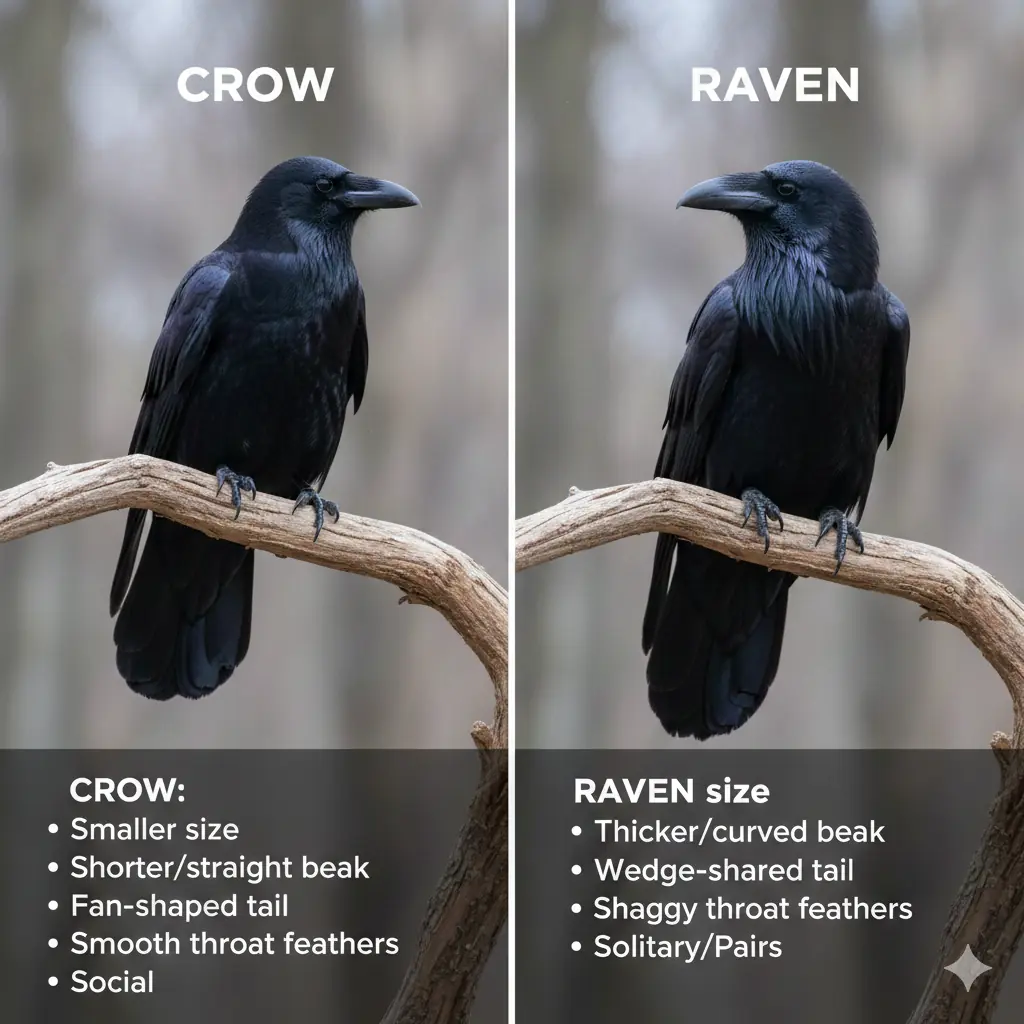
Scientists Find Crows Are Capable of Recursion — A Cognitive Ability Thought to Be Unique to Humans and Other Primates

Meet one of France’s last on-site lighthouse keepers

British Father and Son Become First to Swim Through Point Nemo, the Farthest Point From Land on Earth

10 Reasons People Treat You Poorly and How to Protect Yourself

Erythritol Under Scrutiny: Could the Popular Sugar Substitute Weaken Your Brain’s Protective Barrier?

Rust-Powered Revolution: Iron-Air Batteries Could Unlock Affordable Long-Duration Energy Storage
News Post

How to Reset Your Thyroid to Burn Fat and Activate Your Metabolism
Health 17/12/2025 14:02

6 Natural Ways To Stop Gum Disease Before It’s Too Late
Health 17/12/2025 13:58
Plant-Derived Nutrient Cocktail Achieves 100% Kill Rate of Breast Cancer Cells In Vitro
Health 17/12/2025 13:53

5 warning signs your heart is abnormally weak for your age
Health 17/12/2025 13:53

Active Vitamin D Levels, Not Storage Form, Linked to Greater Gut Microbiome Diversity in Older Men
Health 17/12/2025 13:52

Synergistic Anti-Cancer Effect: Curcumin and Silymarin 'One-Two Punch' Against Colon Cancer Cells
Health 17/12/2025 13:49

28-Year-Old Woman Develops Lung Cancer in Both Lungs Due to This Common Nighttime Habit
Health 17/12/2025 13:48
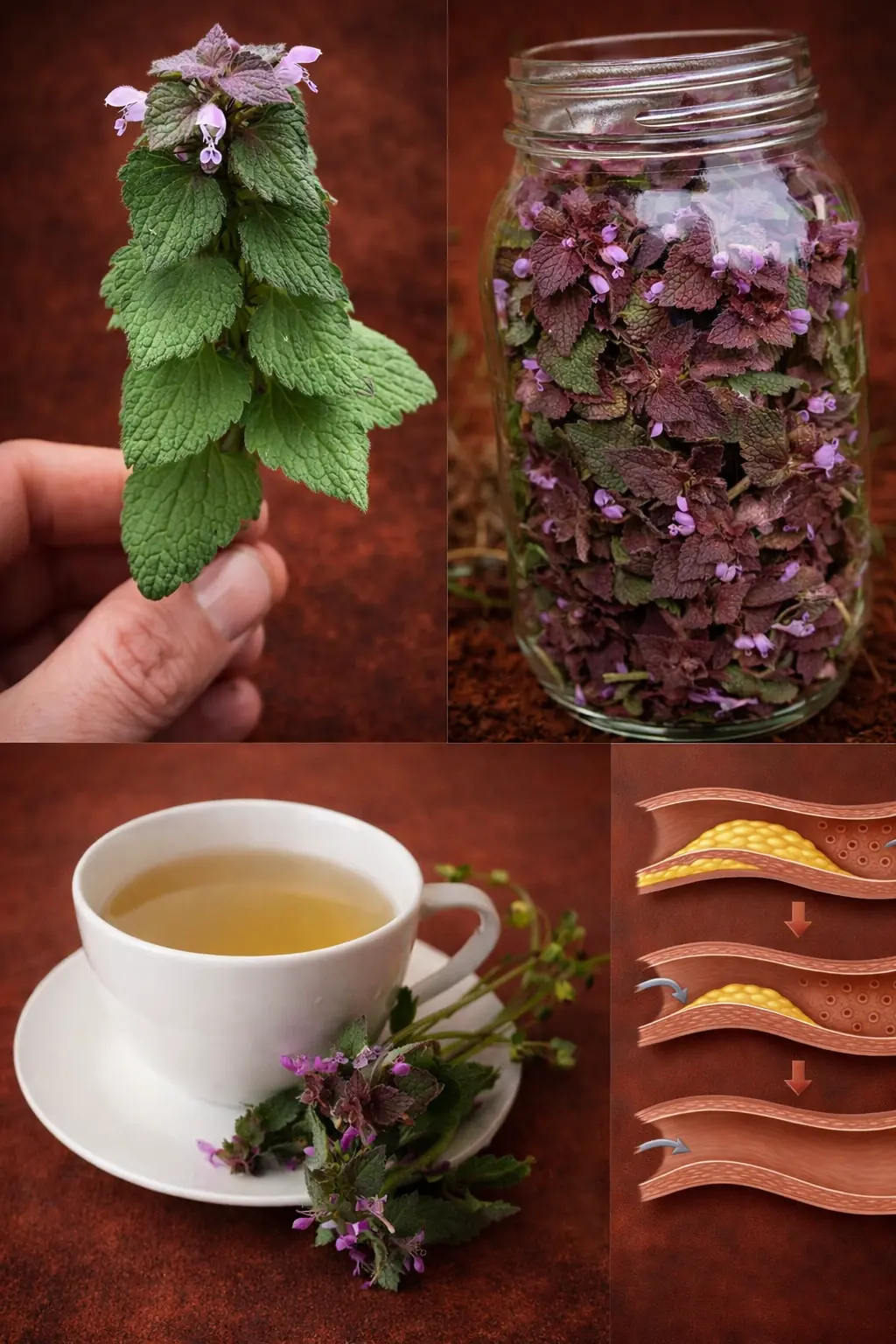
Purple Dead Nettle (Lamium purpureum): A Wild Ally for Circulation and Heart Health
Health 17/12/2025 13:48

Regular Yogurt Consumption Linked to Reduced Chronic Inflammation: Evidence from a University of Wisconsin Study
Health 17/12/2025 13:47
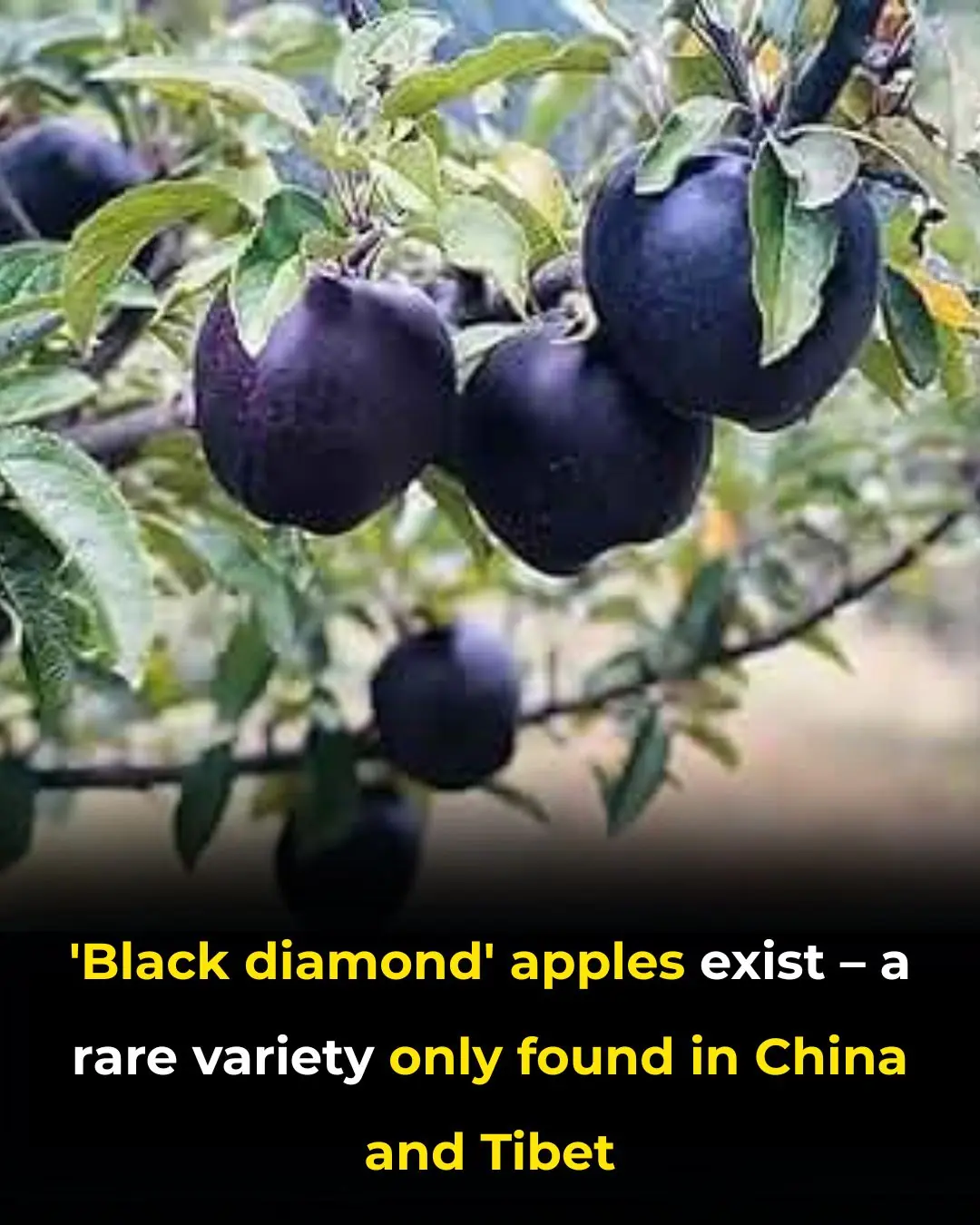
‘Black Diamond’ Apples Exist — A Rare Variety Only Found in China And Tibet
News 17/12/2025 13:45
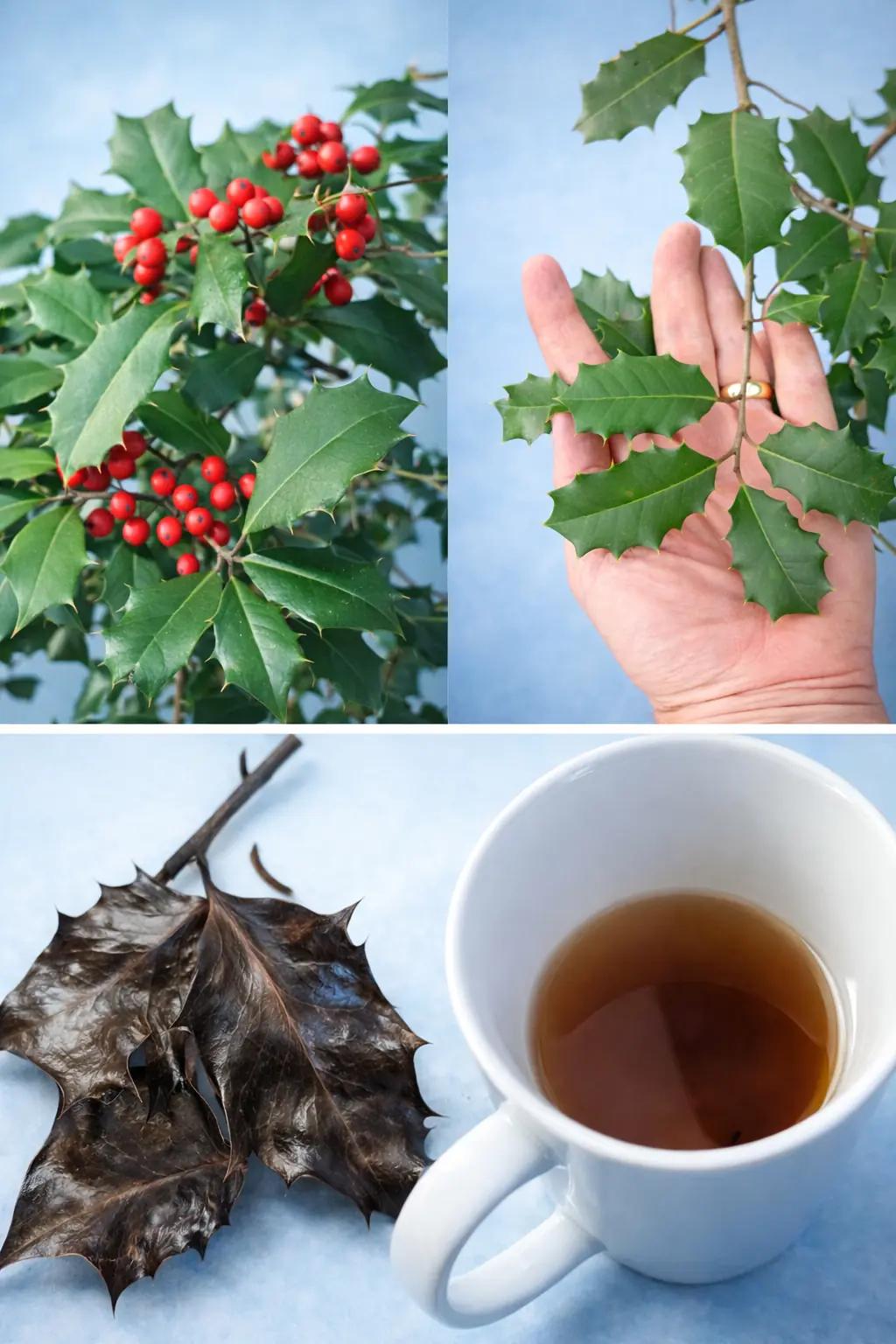
The Hidden Power of American Holly (Ilex opaca): More Than a Holiday Symbol
Health 17/12/2025 13:41

Oral Glutamine Supplementation Achieves Significant Symptom Relief in Post-Infectious IBS-D
Health 17/12/2025 13:41

Physician-Scientist Consumes 1,000 Sardines in 30 Days to Test Metabolic Impact
Health 17/12/2025 13:39

Early-Stage Fatty Liver: 5 Facial Signs You Should Never Ignore
Health 17/12/2025 13:38

Norway Declares Nationwide Ban on Deforestation In World-First
News 17/12/2025 13:38

Specific Extremely Low-Frequency Electromagnetic Field Inhibits Melanoma Cancer Cell Growth In Vitro
Health 17/12/2025 13:36
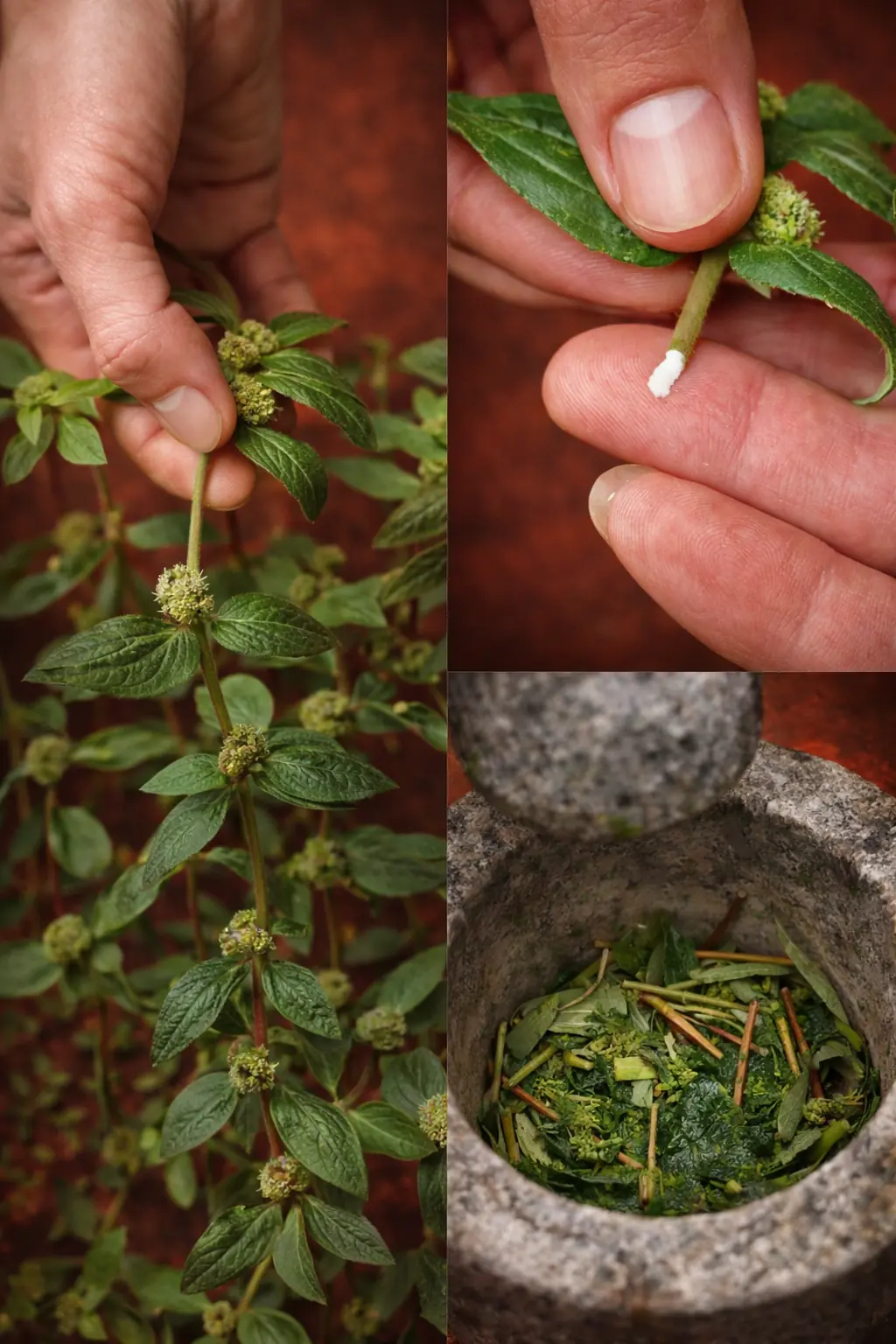
Euphorbia hirta (Asthma Plant): Traditional Respiratory Support for the Lungs
Health 17/12/2025 13:35

The Person That Everyone Leans On—But No One Ever Checks On—Usually Displays These 9 Quiet Signs of Exhaustion
Life stories 17/12/2025 13:34

6 Warning Signs of Kidney Failure Many People Often Ignore
Health 17/12/2025 13:30