Mariana Trench -The deepest location on Earth
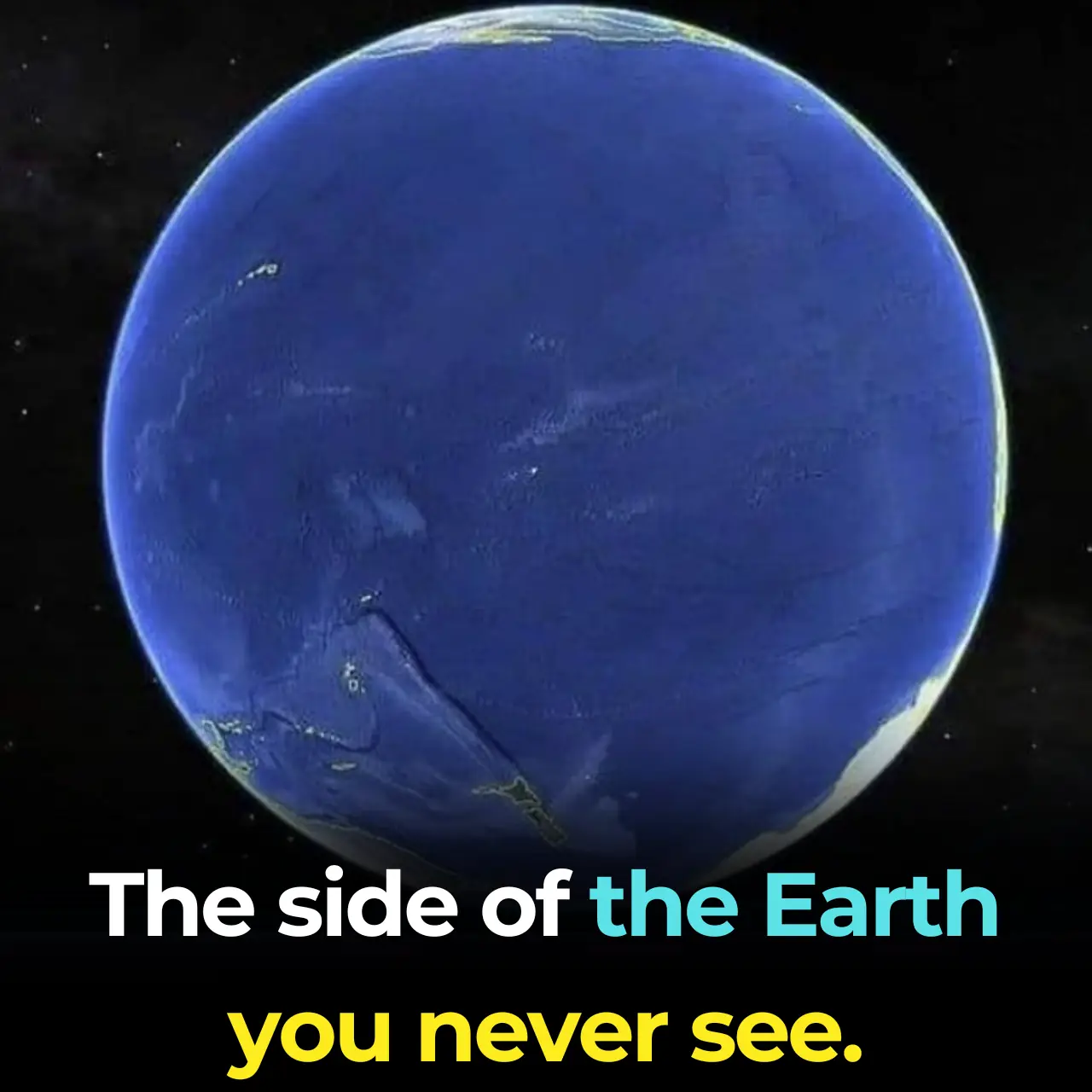
The Mariana Trench, sometimes referred to as the Marianas Trench, is the deepest known part of the world’s oceans and one of the most extreme environments on Earth. It lies in the western Pacific Ocean, approximately 200 kilometers (124 miles) east of the Mariana Islands, forming a dramatic boundary between tectonic plates that continues to shape the planet’s geology (National Geographic).
This immense trench is crescent-shaped, stretching roughly 2,550 kilometers (1,580 miles) long and about 69 kilometers (43 miles) wide. Its most famous point, known as the Challenger Deep, sits at the southern end of a narrow, slot-like valley on the trench floor. The deepest confirmed measurement reaches 10,984 meters (36,037 feet), with a margin of error of about 25 meters, making it the deepest directly measured location on Earth (NOAA). Some earlier, unrepeated sonar readings suggest it may be slightly deeper, potentially reaching 11,034 meters (36,201 feet).
To put that depth into perspective, if Mount Everest, the tallest mountain on Earth at 8,848 meters (29,031 feet), were placed inside the Mariana Trench, its summit would still be more than two kilometers (1.2 miles) underwater. This comparison highlights just how extreme and alien this environment truly is.
At the bottom of the trench, conditions are unlike anywhere humans normally experience. The water pressure reaches approximately 1,086 bars (15,750 psi), which is over 1,000 times the atmospheric pressure at sea level. Under this immense pressure, seawater becomes nearly 5% denser, and temperatures remain just above freezing, typically between 1 and 4 degrees Celsius (34–39°F) (Encyclopaedia Britannica).
Despite these hostile conditions, life still exists. Scientists from the Scripps Institution of Oceanography have discovered single-celled organisms known as monothalamea at depths exceeding 10.6 kilometers (6.6 miles). Additional research has shown that microbial life thrives in the trench, feeding on chemical energy rather than sunlight, challenging long-held assumptions about the limits of life on Earth (Science Magazine).
Recognizing its scientific and ecological importance, the United States designated the Mariana Trench as a National Monument in 2009, offering protections to one of the least explored regions on the planet (U.S. Department of the Interior). Even today, fewer humans have visited the Challenger Deep than have walked on the Moon.
The Mariana Trench remains a powerful reminder of how much of our planet is still unexplored—and how resilient life can be in even the most extreme conditions imaginable.

News in the same category


MIT's Groundbreaking mRNA Vaccine Technology Boosts Effectiveness 100 Times and Reduces Toxicity

Wildlife Populations Have Declined by 73% in the Last 50 Years, Scientists Warn

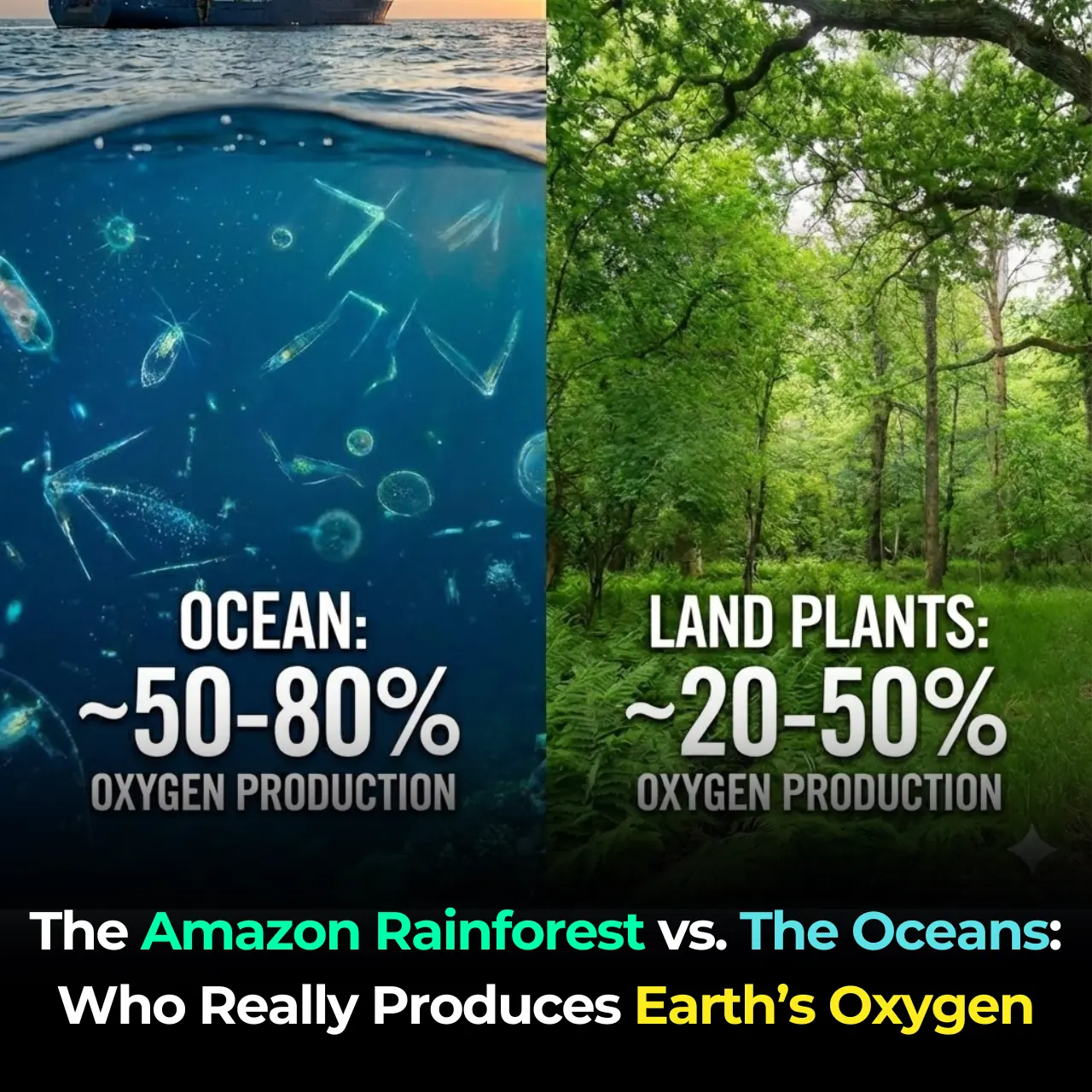
The Amazon Rainforest vs. The Oceans: Who Really Produces Earth’s Oxygen?

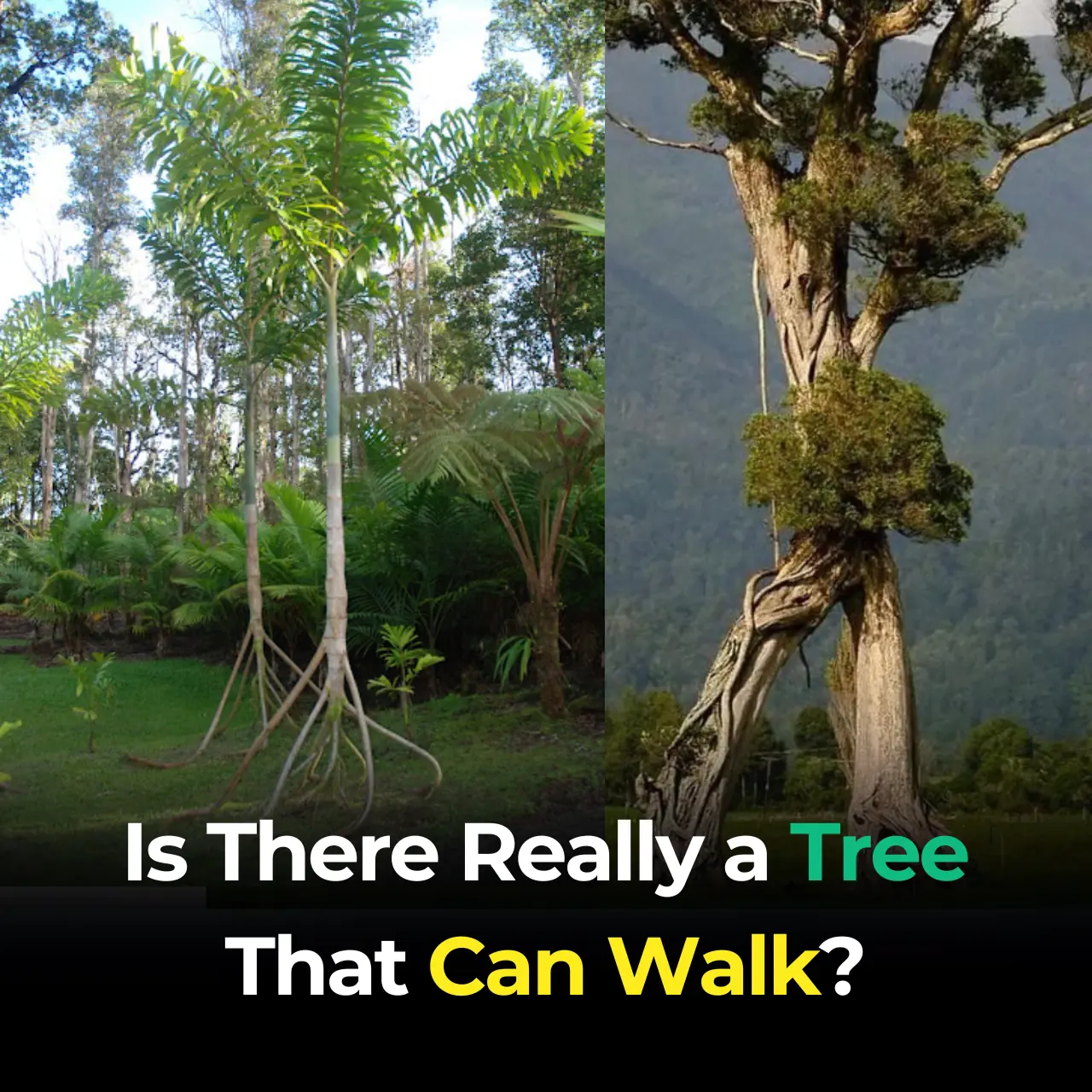
The Walking Trees of Ecuador: They Reportedly Move Up to 20 Meters Per Year

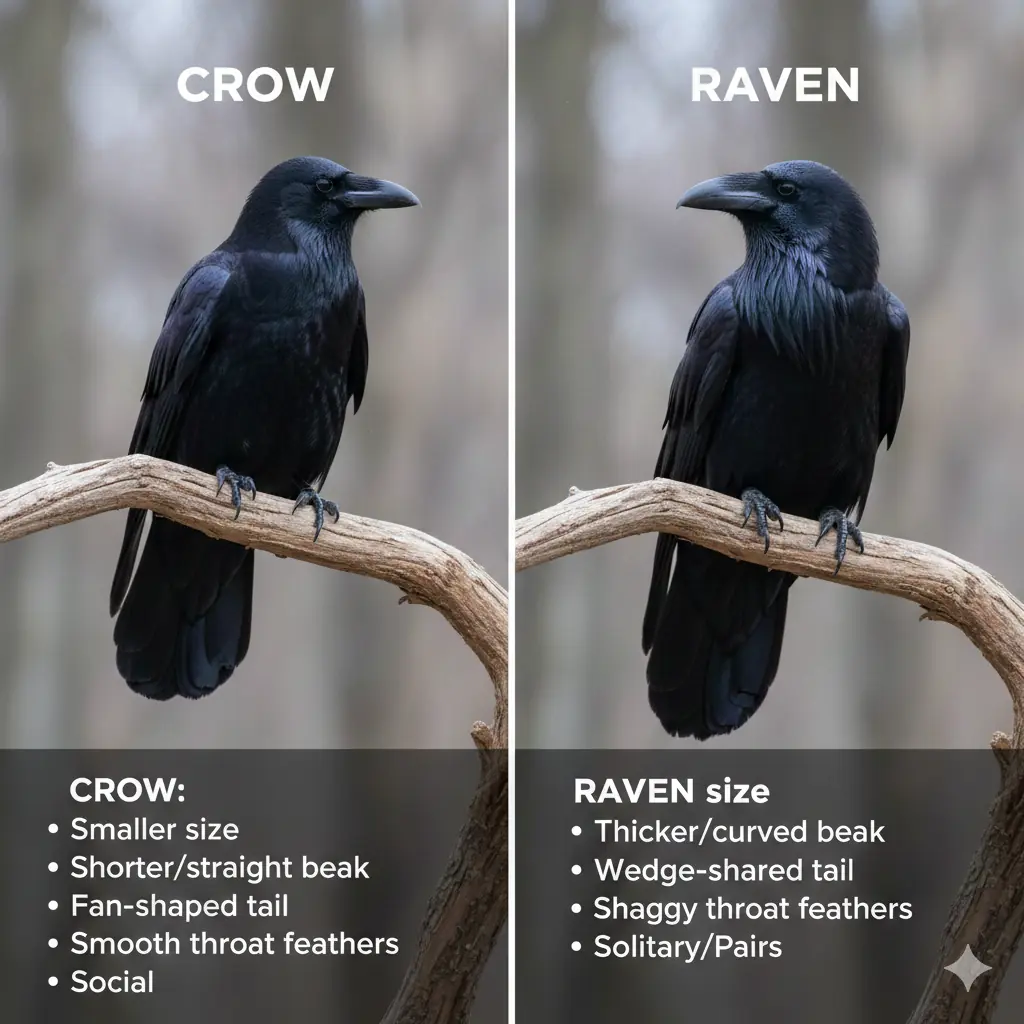
Scientists Find Crows Are Capable of Recursion — A Cognitive Ability Thought to Be Unique to Humans and Other Primates

Meet one of France’s last on-site lighthouse keepers

British Father and Son Become First to Swim Through Point Nemo, the Farthest Point From Land on Earth

10 Reasons People Treat You Poorly and How to Protect Yourself

Erythritol Under Scrutiny: Could the Popular Sugar Substitute Weaken Your Brain’s Protective Barrier?

Rust-Powered Revolution: Iron-Air Batteries Could Unlock Affordable Long-Duration Energy Storage

Colombia’s Largest Tree Is So Big in Diameter, It Has Grown Pillars to Support Its Branches

Gray Hair Might Actually Be a Sign Your Body’s Built-In Cancer Fighting Ability, Study Finds

From Marker to Culprit: How PHGDH May Drive Alzheimer’s Disease

A Massive Spider Megacolony Thriving in a Sulfur-Fueled Cave Ecosystem

Rapid Pain and Stiffness Relief in Knee Osteoarthritis

Burglar Uncovers Shocking Crime During Robbery, Turns Himself In and Exposes Serious Offense

The Black Diamond Apple: A Rare Gem from the Mountains of Tibet
News Post

MIT's Groundbreaking mRNA Vaccine Technology Boosts Effectiveness 100 Times and Reduces Toxicity

Blanching pork in boiling water might seem clean, but it actually absorbs more dirt: This is the correct way to do it.

When buying loofah, which is tastier: dark green or light green? I've been shopping at the market for decades and still don't know this.

Secrets to Growing Jasmine: Four Simple Steps for Year-Round Blooms, Hundreds of Flowers in Abundance

Don't throw away rice water, keep it for these 6 "miracle" things, and save millions of dong every year.

Leucine’s Hidden Power: How an Essential Amino Acid Boosts Mitochondrial Energy and Cellular Health

Wildlife Populations Have Declined by 73% in the Last 50 Years, Scientists Warn

The Amazon Rainforest vs. The Oceans: Who Really Produces Earth’s Oxygen?

The Walking Trees of Ecuador: They Reportedly Move Up to 20 Meters Per Year

Scientists Find Crows Are Capable of Recursion — A Cognitive Ability Thought to Be Unique to Humans and Other Primates

Meet one of France’s last on-site lighthouse keepers

British Father and Son Become First to Swim Through Point Nemo, the Farthest Point From Land on Earth

Roasted onion peel treatment for grey hair

10 Reasons People Treat You Poorly and How to Protect Yourself

Erythritol Under Scrutiny: Could the Popular Sugar Substitute Weaken Your Brain’s Protective Barrier?

Rust-Powered Revolution: Iron-Air Batteries Could Unlock Affordable Long-Duration Energy Storage

Colombia’s Largest Tree Is So Big in Diameter, It Has Grown Pillars to Support Its Branches

Gray Hair Might Actually Be a Sign Your Body’s Built-In Cancer Fighting Ability, Study Finds