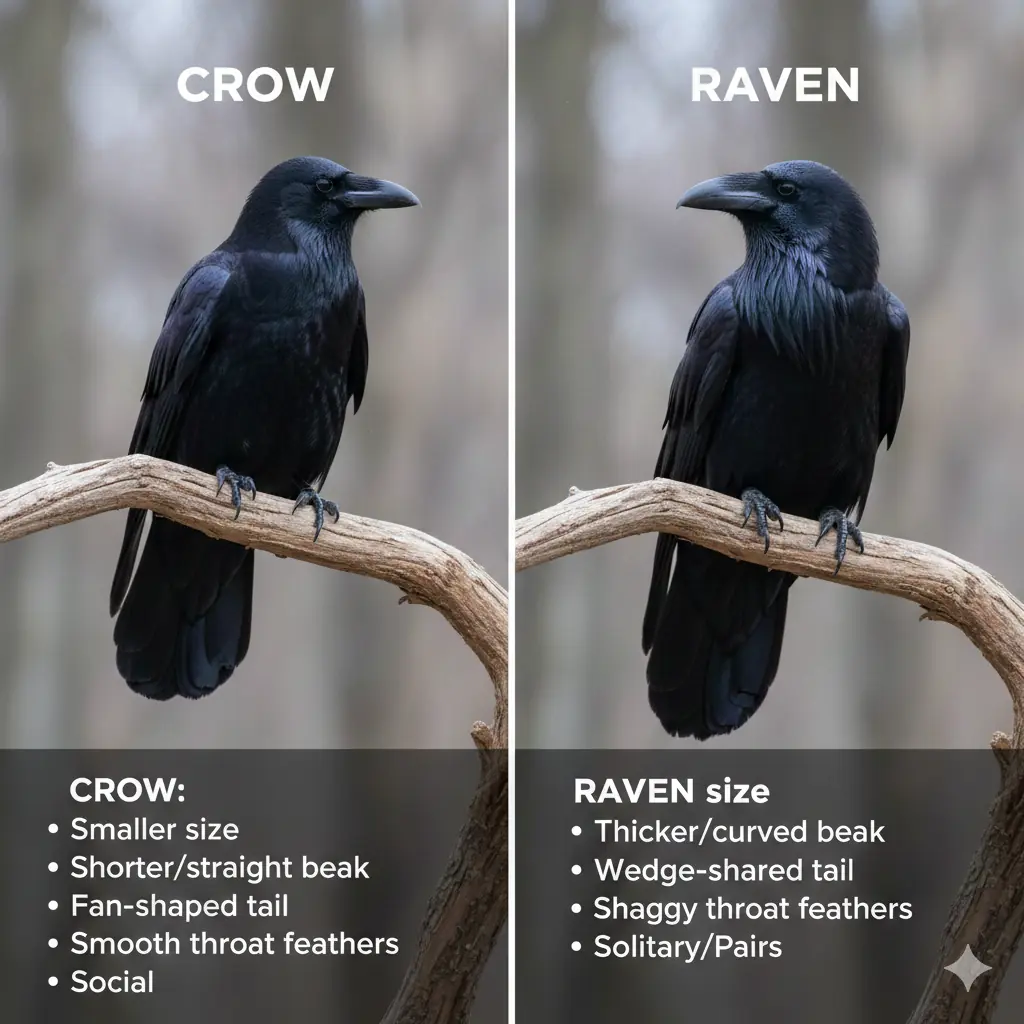
Scientists Find Crows Are Capable of Recursion — A Cognitive Ability Thought to Be Unique to Humans and Other Primates
Facts 17/12/2025 10:00
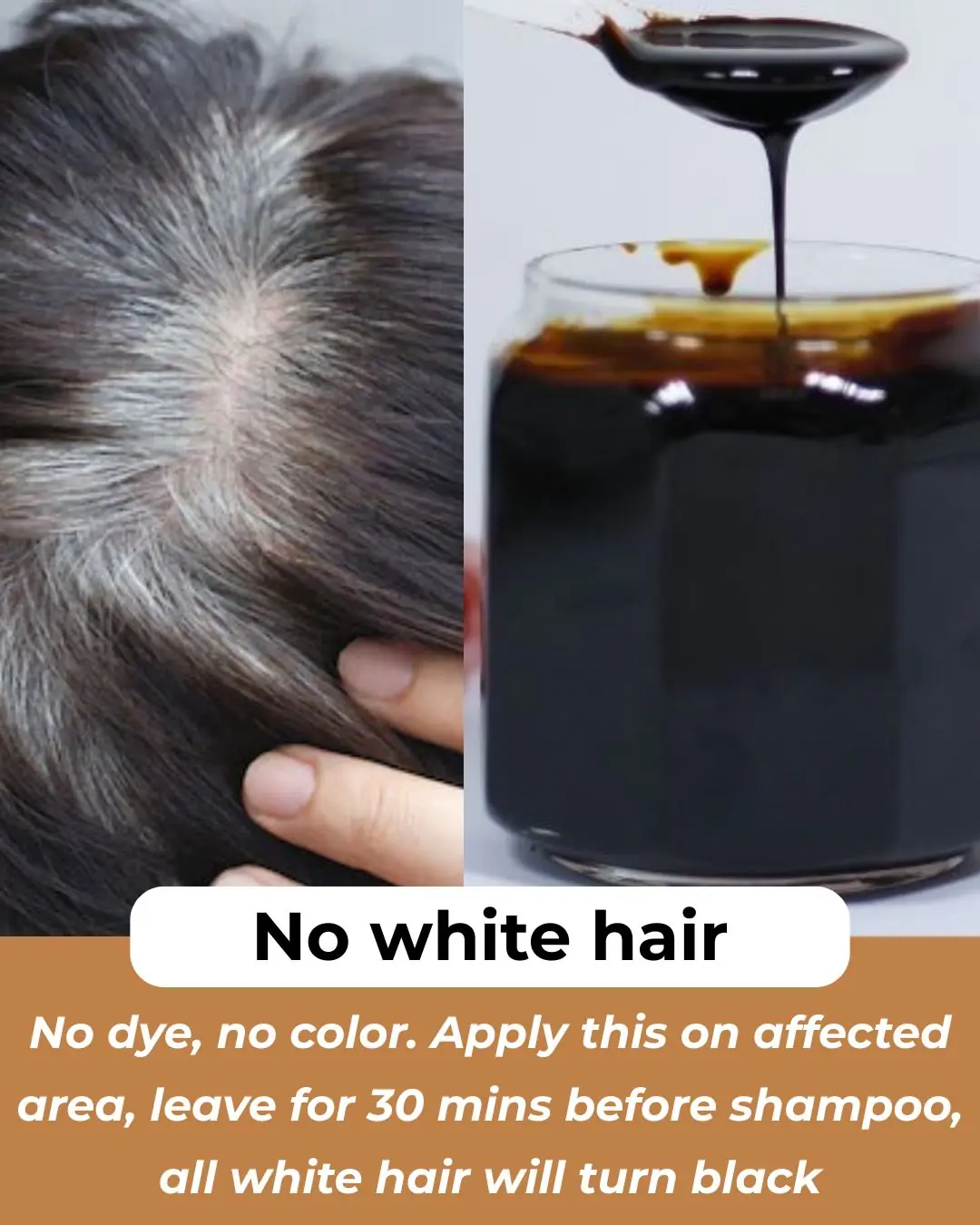
For many people, gray hair is seen as a simple milestone, a gentle visual reminder that time is moving forward. It is often framed as an inevitable cosmetic change, something to conceal or slow down. Yet scientists are uncovering a far more intriguing story. Those silver strands may not merely mark the passage of years — they could reflect an internal protective system quietly working to safeguard the body at a cellular level.
Rather than representing decline, graying hair may signal that your biology is functioning as it should: monitoring cellular health, managing damage, and removing cells that no longer operate safely. From this perspective, gray hair becomes less about appearance and more about survival.
The story begins deep inside the hair follicle, home to specialized pigment-producing cells called melanocytes. These cells generate melanin, the natural pigment responsible for hair color. As new hair grows, melanocytes inject melanin into the hair shaft, giving each strand its familiar shade.
Although melanocytes can function for many years, they are not immune to stress or aging. These cells are highly active and metabolically demanding, which makes them particularly vulnerable to damage. Everyday factors such as ultraviolet radiation from sunlight, normal metabolic byproducts, chronic inflammation, hormonal fluctuations, and environmental toxins all place stress on melanocytes over time.
For decades, scientists believed hair turned gray simply because melanocytes gradually slowed down and stopped producing pigment as part of natural aging. However, emerging research suggests the process is far more dynamic — and in some cases, intentional.
Throughout the body, cells are constantly monitored for damage. When a cell becomes unstable and cannot safely repair itself, the body often chooses to eliminate it entirely. While this may seem drastic, it is a fundamental protective mechanism that prevents malfunctioning cells from causing greater harm later.
Melanocytes are no exception. When these pigment-producing cells become damaged or genetically unstable, they may pose a small but real risk. Certain melanocytes, under the wrong conditions, have the potential to transform into melanoma, one of the most aggressive forms of skin cancer. To reduce that risk, the body may selectively remove compromised melanocytes from hair follicles.
When this happens, new hair grows without pigment, appearing gray or white. This is not a failure or defect — it is a protective trade-off. The loss of color reflects the body’s choice to prioritize long-term cellular safety over cosmetic consistency.
Seen through this lens, gray hair becomes visible evidence of an invisible decision: your body choosing protection over perfection.
The timing of graying varies widely, influenced by both genetics and life experience. Genetics play a major role in determining how long melanocytes survive. In some families, pigment cells naturally have shorter lifespans, leading to earlier graying. In others, hair color can persist well into later decades of life. This timing is often inherited across generations.
Lifestyle and environmental factors also shape how quickly melanocytes decline. Chronic psychological stress has been shown to affect stem cells and pigment-producing cells in hair follicles. A 2020 study published in Nature demonstrated that stress-induced activation of the sympathetic nervous system can permanently deplete melanocyte stem cells, accelerating graying in mice — a finding that offers insight into similar processes in humans.
Environmental exposure matters as well. Ultraviolet radiation, air pollution, smoking, and poor nutrition all add to cellular stress. Inflammation around hair follicles, deficiencies in key nutrients such as vitamin B12, iron, or copper, and even changes in the nervous system can gradually undermine pigment cell stability.
Although popular myths suggest hair can turn gray overnight from shock, the process is typically gradual. Still, prolonged or intense stress can influence how quickly pigment cells are lost over time.
Gray hair is usually framed as a cosmetic problem — something to fix, hide, or reverse. But biologically, it may represent the body’s willingness to sacrifice appearance in favor of reducing cellular risk.
This kind of trade-off occurs throughout human biology. Skin peels after sunburn because damaged cells are removed. Swelling and fever occur during infection because the immune system is ramping up defense. Graying hair fits within this same category of protective responses, albeit in a subtler form.
From this perspective, gray hair is not a flaw. It is a quiet testament to the body’s ongoing maintenance and vigilance.
Historically, gray hair has symbolized wisdom, authority, and accumulated experience. Modern science adds a new layer of meaning. Each gray strand may reflect a moment when the body identified a potential cellular problem and acted before harm could occur.
A single gray hair may represent a pigment cell that reached the end of its safe lifespan and was carefully removed. It may mark a moment of resilience you never noticed — a microscopic decision made in favor of long-term health.
Seeing gray hair this way reframes aging not as simple decline, but as continuous adaptation. It highlights the balance between natural aging and active cellular protection.
Gray hair is one of the few visible signs that allows us to observe internal biology in real time. It reflects deeper processes that usually remain hidden — immune surveillance, stress responses, cellular turnover, and protective mechanisms operating quietly in the background.
Your gray strands may tell a story about how your body handles stress, repairs damage, and adapts to environmental pressures. They may represent countless unseen acts of biological resilience.
Gray hair is not merely a reminder that time is passing. It is evidence that your body is continuously evaluating itself, discarding what is no longer safe, and adjusting to protect you.
The next time you notice a silver glint in the mirror, you might pause before seeing it as something to correct. That subtle change in color may tell a story of protection, renewal, and biological wisdom. It reflects a partnership between aging and health — one in which the body lets go of what it no longer needs to preserve what matters most.
Gray hair, then, is more than a marker of time. It tells a deeper story of survival, adaptation, and cellular intelligence — one that may be worth appreciating rather than resisting.
Nature (2020): Stress-induced depletion of melanocyte stem cells
National Institutes of Health (NIH): Hair follicle biology and melanocyte function
Science Journal: Cellular senescence and protective cell elimination
American Academy of Dermatology (AAD): Hair pigmentation and aging
Harvard Medical School: Oxidative stress, aging, and cellular defense mechanisms