Scientists Find Crows Are Capable of Recursion — A Cognitive Ability Thought to Be Unique to Humans and Other Primates
Facts 17/12/2025 10:00
For centuries, lighthouse keepers were among the quiet guardians of the sea, living in isolation to ensure that ships could navigate safely through darkness and storms. Today, that way of life has nearly vanished. Automation, satellite navigation, and GPS have transformed maritime travel, leaving only traces of a profession once defined by solitude and vigilance.
In modern France, only one lighthouse is still permanently inhabited year-round: the Phare de Cordouan, standing at the mouth of the Gironde estuary. Often called the “Versailles of the Sea,” this historic structure is also the country’s oldest lighthouse, first completed in 1611. It is currently France’s official candidate for inclusion on the UNESCO World Heritage List, a recognition that would place it among the world’s most culturally significant landmarks (UNESCO; BBC).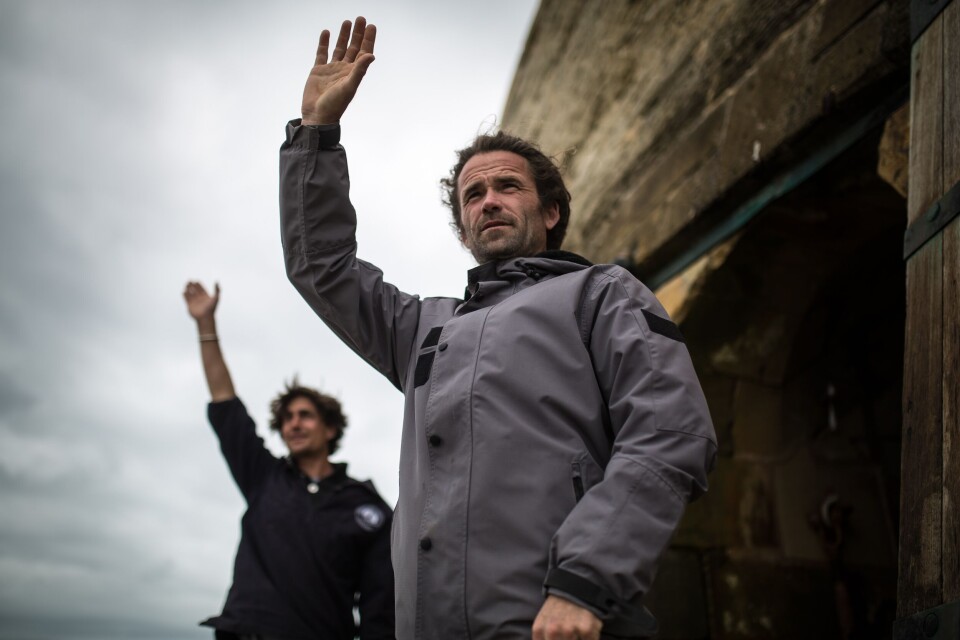
At the heart of this living monument is Benoît Jenouvrier, one of the last people in France to live and work full-time at a lighthouse while on duty.

Benoît Jenouvrier has worked at the Phare de Cordouan for nine years. He is part of a small team of six keepers who rotate shifts, ensuring that the lighthouse is never left unattended. At any given time, two keepers are present, a strict safety requirement given the lighthouse’s isolation and exposure to the elements.
Unlike the romanticized image of lighthouse keepers endlessly watching the beam at night, Jenouvrier explains that the role has changed dramatically.
“Today, the light itself is automated,” he says. “Our job is no longer to tend the flame. It is to preserve the building.”
Cordouan is officially classified as a Historic Monument of France, and maintaining it is an enormous responsibility. The lighthouse consists of a central tower surrounded by multiple buildings arranged in a circular formation. Inside are centuries-old parquet floors, wooden paneling dating back to the reign of Napoleon III, and countless bronze and copper fittings that corrode rapidly in salty sea air.
Jenouvrier and his colleagues act as mechanics, electricians, plumbers, carpenters, painters, and conservation stewards. In summer, they also become tour guides, welcoming visitors who make the journey at low tide to explore the lighthouse (The Guardian).
Strictly speaking, Jenouvrier notes, they are no longer “lighthouse keepers” in the traditional sense.
Until the 1990s, France offered formal lighthouse keeper training in Brest, where candidates learned electro-mechanics to maintain lighthouse lights. That program no longer exists. While a handful of certified keepers still work on call to repair automated systems, they no longer live on site.
Cordouan is the last exception.
Each member of the team comes from a different professional background to ensure complementary skills. Jenouvrier himself trained as an electrician, while others bring maritime experience or tourism expertise. Their schedules are carefully staggered so that no two keepers work together for more than a week at a time.
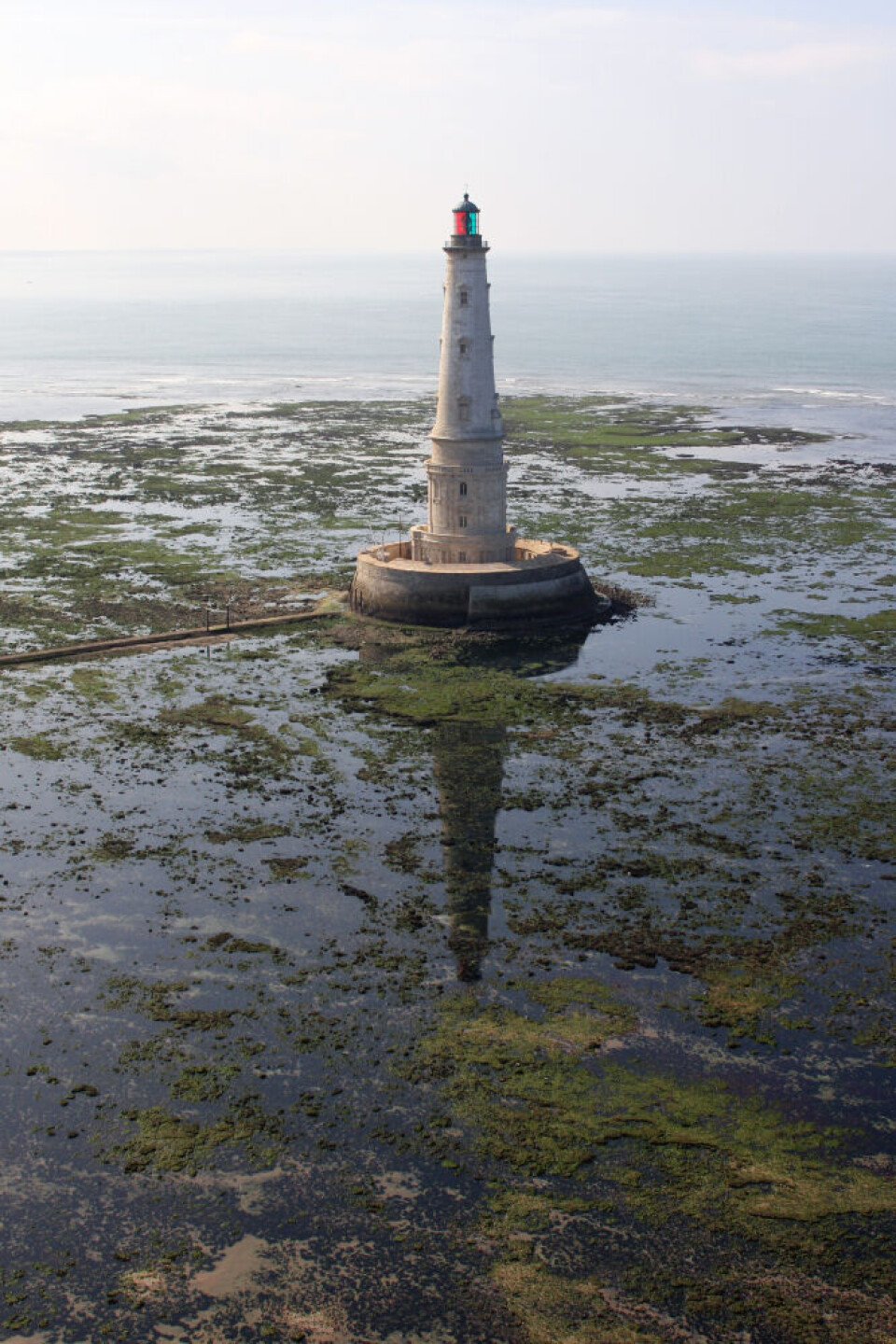
Jenouvrier says he did not set out to become a lighthouse keeper. He applied after hearing that a position had opened and realizing the role aligned with a life he already valued.
“I live on land in an old stone house that constantly needs care,” he explains. “I enjoy working with my hands. Living on a small island surrounded by the sea felt like a natural extension of that.”
He has never lived more than 200 meters from the coast. Even when off duty, his life revolves around the sea.
Professional boat pilots transport keepers and supplies to and from the lighthouse, but understanding the ocean remains essential. Sandbanks around Cordouan shift constantly, altering currents and creating hidden dangers that require experience to read.
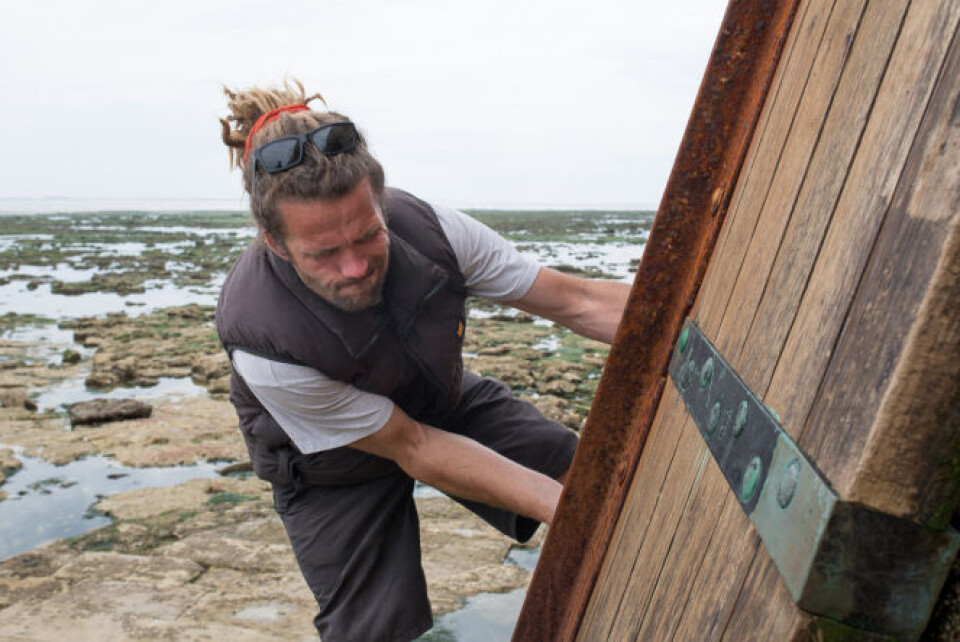
During storms, the lighthouse experiences the full force of wind and weather, though not as violently as lighthouses along Brittany’s deeper Atlantic coast. Cordouan sits on the continental shelf, where large waves often break before reaching the structure.
“It’s like being on a boat,” Jenouvrier says, “except the comfort is knowing that our boat doesn’t move.”
Despite its reputation for isolation, life at Cordouan is no longer solitary in the historical sense. Two keepers are always present. In summer, tourists arrive daily. In winter, renovation crews often work on the structure during the week.
Still, Jenouvrier admits that part of the appeal lies in distance from the mainland world.
“You have to want to step away from everyday life,” he says. “And yes, sometimes we appreciate when there are just the two of us.”
With modern navigation technology, some question whether lighthouses remain relevant. Jenouvrier’s answer is firm.
“Technology fails,” he says. “Batteries die. Equipment breaks. Lighthouses will always be there.”
The French state has committed to keeping major lighthouses active as a final, reliable reference point for mariners, especially small vessels without advanced navigation systems (France 24).
The job, however, is not for everyone. Jenouvrier acknowledges the psychological difficulty of extended separation from family.
He has a wife and a daughter living nearby on the mainland, yet when he is on duty, he cannot see them for weeks at a time. Even though the distance is small as the crow flies, the sea makes it absolute.
“For now,” he says, “I love my work enough to accept that sacrifice.”
If Cordouan is granted UNESCO World Heritage status, it would help ensure the lighthouse’s preservation for generations to come. For Jenouvrier, the designation would be recognition not just of stone and history, but of a way of life that has nearly disappeared.
The Phare de Cordouan stands as both a navigational aid and a reminder that some professions endure not because they are efficient, but because they carry meaning. In an age of automation, its keepers remain human links between past and present, watching over the sea not out of necessity alone, but out of care.