
Leucine’s Hidden Power: How an Essential Amino Acid Boosts Mitochondrial Energy and Cellular Health
Facts 17/12/2025 10:57
Researchers at the Massachusetts Institute of Technology (MIT), specifically from the Koch Institute for Integrative Cancer Research, have made significant strides in improving the effectiveness of mRNA vaccines. Their breakthrough, published in the journal Nature Nanotechnology, introduces a new class of lipid nanoparticles that increase the potency of mRNA vaccines by as much as 100 times in mice, compared to current formulations. The study, titled "Degradable cyclic amino alcohol ionizable lipids as vectors for potent influenza mRNA vaccines," is co-authored by Arnab Rudra, Akash Gupta, and graduate student Kaelan Reed.
The researchers developed a novel ionizable lipid platform, AMG1541, which forms the core of their advanced lipid nanoparticle (LNP) system. This new platform has several distinct advantages over the existing industry standards, such as SM-102, which is used in Moderna's COVID-19 vaccine.
One of the primary benefits of the enhanced lipid nanoparticles is their ability to improve the delivery of the mRNA payload into muscle cells. This is a crucial step in ensuring the vaccine can trigger an immune response. At the same time, these nanoparticles reduce unwanted expression in the liver, which decreases the associated toxicity risks. This is a significant development because liver toxicity has been a known challenge for systemic mRNA delivery systems.
The significance of this breakthrough lies in the underlying mechanism of mRNA vaccines. Unlike traditional vaccines, which use inactivated viruses or viral proteins to stimulate an immune response, mRNA vaccines work by using messenger RNA to instruct the body's cells to produce specific viral proteins. These proteins then trigger an immune response, protecting the individual from future infections. However, because mRNA is fragile and can easily degrade, it requires a protective delivery system. Lipid nanoparticles play a crucial role in this process, as they shield the mRNA and help it penetrate the body’s cells.
MIT's team synthesized a library of cyclic amino alcohol lipids that were specifically engineered to be more biodegradable and efficient. Through extensive testing, including the use of a bioluminescent reporter gene (luciferase), the researchers identified AMG1541 as the most promising candidate. This ionizable lipid stands out for its ability to deliver potent immune responses even with lower doses of the vaccine.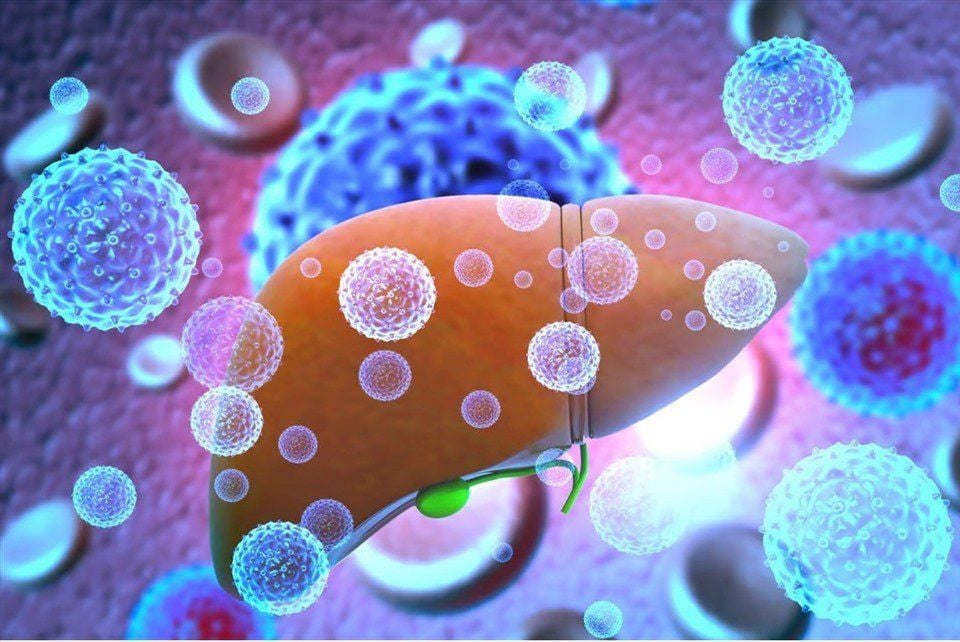
The implications of this discovery are immense. Not only does the new LNP system dramatically increase the potency of the vaccine, but it also means that much smaller doses of the vaccine are required to achieve the same immune response. This could translate into significant cost savings in vaccine production, making vaccines more affordable and potentially more accessible, especially in regions with limited resources. Moreover, the reduced dosage requirement could lead to a more sustainable and scalable approach to vaccine manufacturing, addressing one of the critical challenges in global vaccine distribution.
Another important benefit of AMG1541 is its potential to reduce liver-related toxicity, a known issue with current mRNA delivery systems. By minimizing the adverse effects on the liver, the new lipid nanoparticles make mRNA vaccines safer for widespread use, further expanding their potential applications in different types of vaccines, including those for seasonal influenza.
Co-author Kaelan Reed emphasized the broader impact of this technology, noting that it could help refine the development of seasonal influenza vaccines. With the ability to produce more effective vaccines using smaller doses and safer delivery systems, this innovation could revolutionize how we approach vaccine development and distribution, especially for diseases with fluctuating seasonal risks.
This groundbreaking work by MIT researchers could also pave the way for future mRNA-based vaccines for other diseases, including cancer, HIV, and malaria. By optimizing the delivery and effectiveness of these vaccines, they have the potential to transform global healthcare and offer solutions to some of the most pressing health challenges.
In conclusion, MIT's development of AMG1541 is a crucial advancement in the field of mRNA vaccine technology. With its ability to enhance vaccine potency, reduce toxicity, and lower production costs, this innovation promises to play a pivotal role in the future of global health, making vaccines more accessible and safer for everyone.
MIT News: MIT's breakthrough mRNA vaccine platform https://news.mit.edu/2025/mit-scientists-new-lipid-nanoparticles-boost-mrna-vaccine-effectiveness-100-times-0429
Nature Nanotechnology: Degradable cyclic amino alcohol ionizable lipids as vectors for potent influenza mRNA vaccines https://www.nature.com/articles/s41565-025-00863-w
The Verge: How lipid nanoparticles enable mRNA vaccine success https://www.theverge.com/2025/4/10/mit-advances-mrna-vaccine-technology