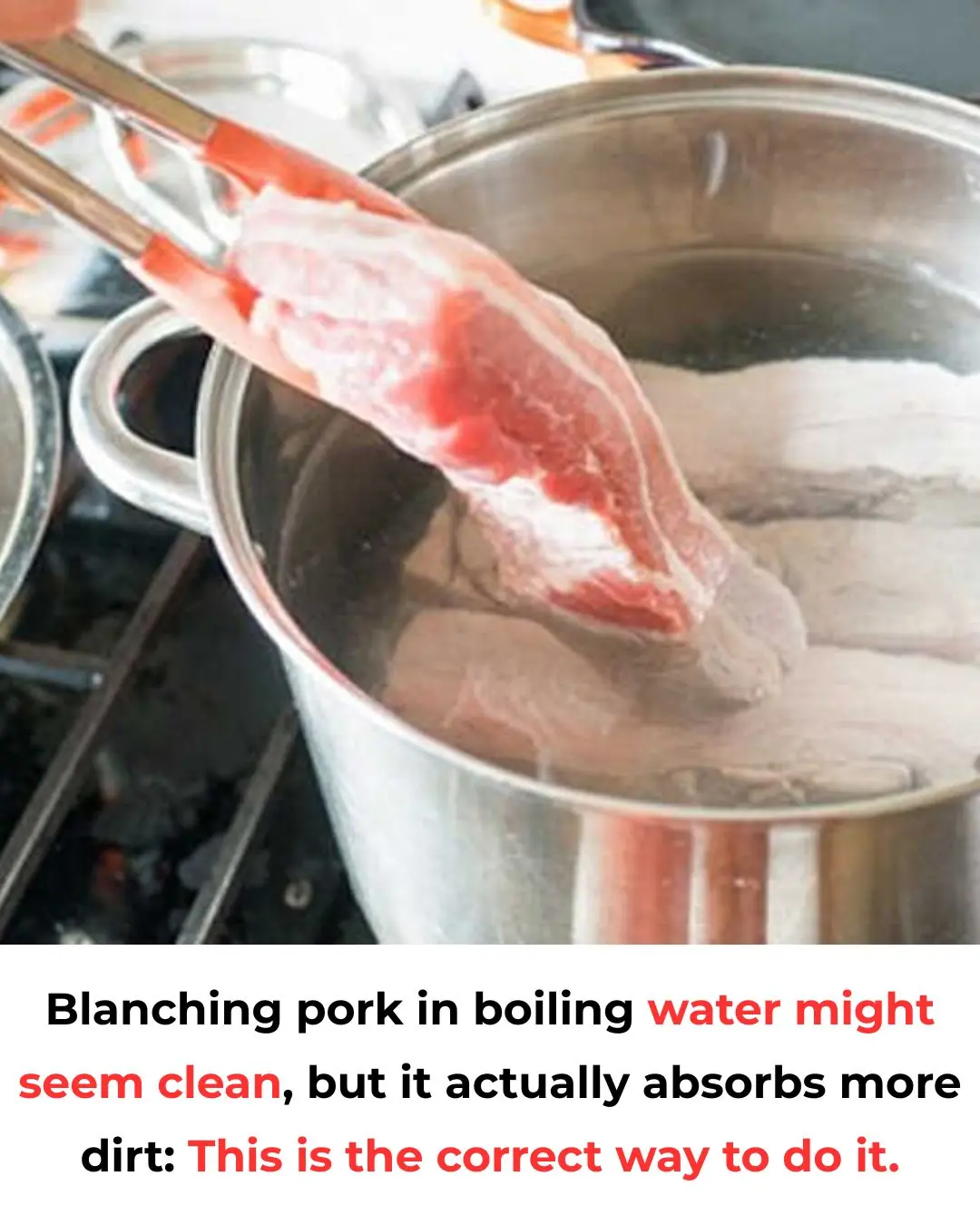
Blanching pork in boiling water might seem clean, but it actually absorbs more dirt: This is the correct way to do it.
Tips 17/12/2025 11:21
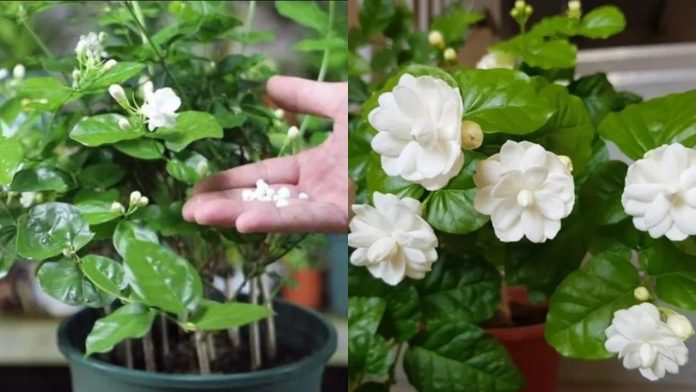
Jasmine: Simple Care Tips for Abundant, Year-Round Blooms
Jasmine is an exceptionally prolific flowering plant that can bloom almost all year round when cared for properly. Placing a pot of jasmine on a balcony or porch allows its delicate white blossoms to release a gentle, soothing fragrance that spreads through the air, creating a relaxing and pleasant atmosphere for everyone in the home.
To ensure that jasmine flowers abundantly and continuously, you need to pay attention to three key aspects of care. Only when these three factors are well managed will the plant thrive, bloom repeatedly, and potentially produce hundreds of flowers on a single plant. With patience and consistent care, jasmine can become one of the most rewarding flowering plants to grow.
For healthy growth, jasmine requires suitable soil conditions. The planting medium should not be too compact and should consist of nutrient-rich loamy soil mixed with sand. You can further enhance soil fertility by adding leaf mold or peat moss, which helps improve soil structure and provides essential organic nutrients.
Only when the soil is sufficiently fertile can the plant develop lush green leaves, produce many new shoots, and bloom continuously. If the soil lacks nutrients, the number of flowers will decrease significantly, and in some cases, the plant may stop flowering altogether.
Because jasmine blooms repeatedly, it has relatively high nutrient demands. During the vegetative growth stage, apply a balanced compound fertilizer every 15 days. When the plant begins forming buds and producing flowers, potassium dihydrogen phosphate should be applied once every 7 days. These fertilizers play a crucial role in promoting strong growth, sturdy branches, and consistent flowering throughout the season.
Jasmine is a sun-loving plant and cannot thrive in heavily shaded environments. Insufficient light directly affects both plant growth and flower production, resulting in weak stems and sparse blooms.
Therefore, jasmine should be placed in a location that receives plenty of sunlight each day. When exposed to adequate light, the plant will not only flower more readily but will also develop glossy, vibrant green leaves full of vitality. In contrast, plants grown in low-light conditions tend to produce leaves only, with few or no flowers at all.
Regular pruning is essential for jasmine, as flowers form primarily on new growth. Without pruning, the plant produces fewer new shoots, leading to reduced flowering. After each flowering cycle, faded blooms should be removed promptly to prevent unnecessary nutrient loss and to encourage the plant to produce new buds sooner.
Additionally, trimming weak, overcrowded, or tangled branches improves air circulation and light penetration. This not only promotes more abundant flowering but also helps reduce the risk of pests and diseases, keeping the plant healthy and vigorous over time.
Alongside fertilization, sunlight, and pruning, proper watering is another critical factor in jasmine care. When grown outdoors, jasmine can typically be watered every one to two days, depending on weather conditions. However, indoor-grown jasmine requires more careful watering due to reduced airflow and slower soil drying.
When caring for jasmine indoors, the key rule is to water only when the soil surface has dried out, then water thoroughly. Light misting of the leaves can help maintain humidity, especially in dry environments. However, avoid spraying water directly onto flower buds, as this may cause them to drop prematurely and affect blooming quality.
With balanced nutrition, sufficient sunlight, regular pruning, and mindful watering, jasmine will reward you with continuous blooms and a soothing fragrance that enhances any living space.