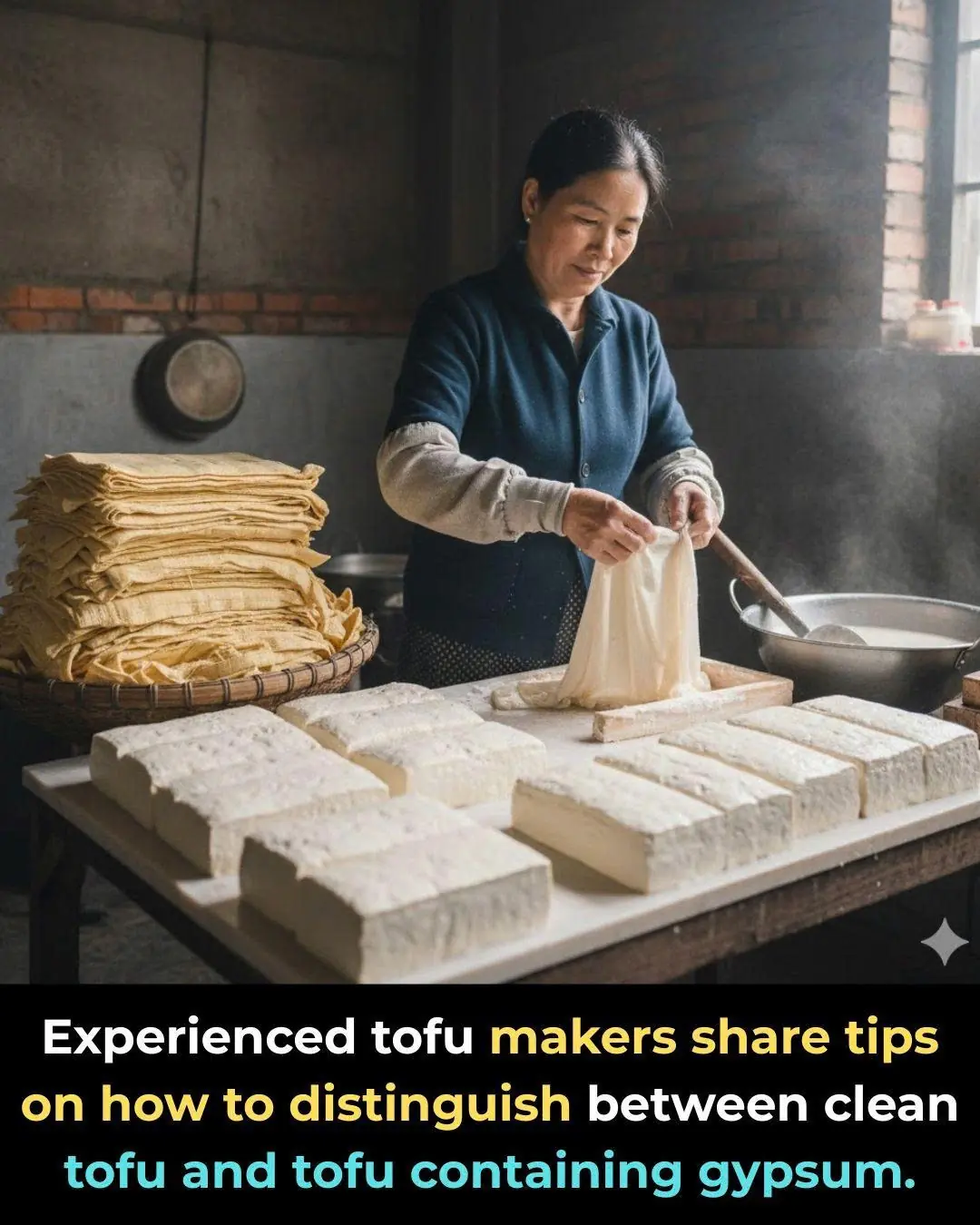
Experienced tofu makers share tips on how to distinguish between clean tofu and tofu containing gypsum.
Tips 16/12/2025 19:41

How to Choose Fresh, High-Quality Dracontomelon (Sấu)
Selecting fresh, good-quality sấu is the most important first step in determining how long the fruit can be stored and how well it retains its flavor. If you want to preserve sấu for an extended period, take time to carefully inspect each fruit to ensure optimal quality.
It is best to choose medium-ripe sấu (neither too young nor overly mature). Ideally ripe fruits are firm, with thick flesh and seeds that are not excessively large. These fruits usually have slightly rough skin, a thick layer of flesh, and a pleasantly sour taste, making them suitable for both cooking and long-term storage.
Avoid fruits that show signs of bruising, dark spots, or physical damage, as these will spoil more quickly. Sấu with very smooth, glossy skin are often too young; such fruits tend to spoil easily and do not store well. On the other hand, overly mature sấu typically contain less flesh, have a milder sourness, and larger seeds, which reduces their culinary value.
After purchasing fresh sấu, gently scrape off the outer skin. Be careful to remove only a thin layer of peel rather than deeply peeling the fruit, as cutting too deeply can damage the flesh inside. During this process, sort through the fruits and discard any that are bruised, rotten, or infested.
Some people simply cut off the stems, wash the fruits, let them dry, and then store them in the refrigerator without scraping the skin. The peeling is done later when cooking, or sometimes not at all. However, leaving the skin intact often gives dishes a bitter, astringent taste. Moreover, once frozen and thawed, sấu becomes soft and difficult to scrape compared to when it is freshly harvested.
As you scrape each fruit, place it immediately into a bowl of water to prevent discoloration. Once all the sấu has been prepared, soak them in water for about 10 minutes. After that, rinse thoroughly with clean water and let them dry completely until the surface feels slightly firm and dry to the touch.
Divide the sấu into small zip-top bags or airtight containers, ideally about 300 grams per bag. This helps minimize moisture buildup inside the packaging. Avoid placing all the fruit into one large bag, as repeated opening and closing will introduce moisture, causing the fruits to stick together and making them difficult to separate later.
Using this freezing method, whole sấu can be stored for up to six months while maintaining good flavor and texture.
The preparation steps are similar to those used for storing whole fruit. First, remove the stems, scrape the skin, and soak the sấu in water. Rinse thoroughly after soaking.
Bring a pot of water to a boil and cook the sấu until they soften and are fully cooked. Remove the fruits from the pot and allow them to cool. Once cooled, separate and discard the seeds, keeping only the flesh.
Place the sấu flesh along with some of the cooking water into a blender and blend until you obtain a smooth, thick purée. Pour this mixture into an ice cube tray with small compartments and place it in the freezer.
When the purée has completely frozen into cubes, remove them from the tray and transfer them into an airtight container. Store the container in the freezer. Whenever needed, simply take out a few cubes and add them directly to soups or dishes during cooking.
With this method, sấu purée can be preserved for up to one year, offering great convenience and consistent flavor throughout the seasons.
Toward the end of the season, when sấu is fully ripe, scraping the skin may no longer be necessary, as the fruit loses much of its bitterness. To store ripe sấu, you can follow the same methods described above for medium-ripe fruit, ensuring proper cleaning, portioning, and freezing to maintain quality for long-term use.