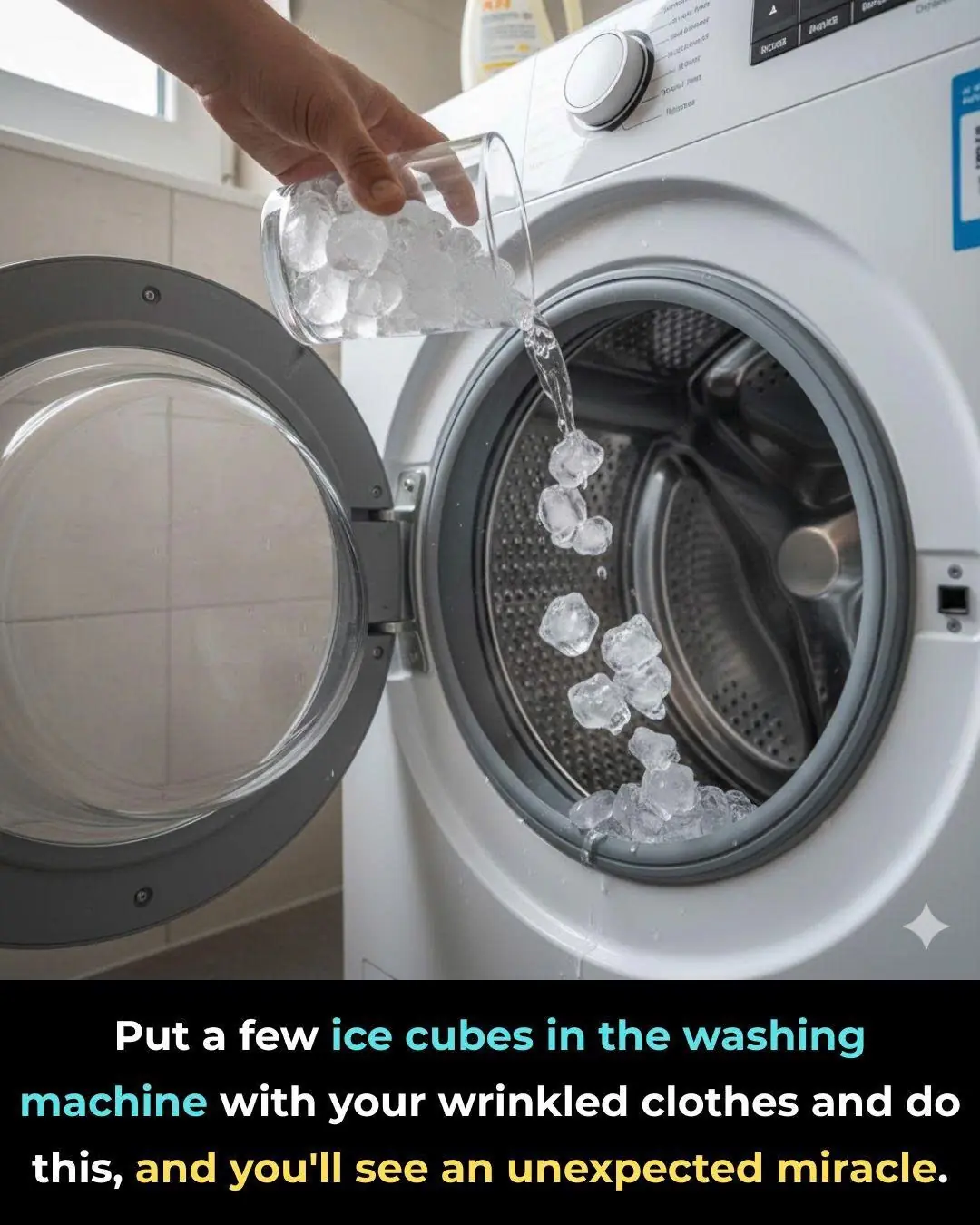
Put a few ice cubes in the washing machine with your wrinkled clothes and do this, and you'll see an unexpected miracle.
Tips 16/12/2025 19:44
After a period of use, refrigerator door seals (gaskets) may develop mold stains. If this happens, you can follow the methods below to remove them effectively and restore cleanliness to your refrigerator.
There are several reasons why refrigerator seals become moldy. Food or liquid may accidentally spill onto the rubber gasket, and when combined with dust and prolonged lack of cleaning, it creates an ideal environment for mold growth. If not treated promptly, mold can spread, cause unpleasant odors, and even affect food hygiene.
Below are several simple yet effective ways to clean moldy refrigerator door seals using common household items.
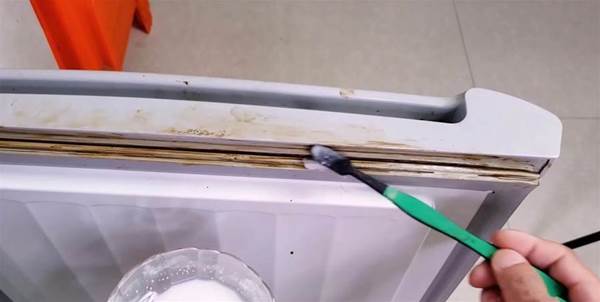
Mix water and white vinegar in a ratio of 5:1. You may add a small amount of any household cleaning solution if desired to enhance the cleaning effect.
Dip an old toothbrush into the solution and scrub the refrigerator gasket thoroughly, paying special attention to corners and crevices where dirt and mold tend to accumulate. After scrubbing, use a dry cloth to wipe the seal clean once again, ensuring no moisture is left behind.
Vinegar is a natural disinfectant that helps kill mold and neutralize unpleasant odors effectively.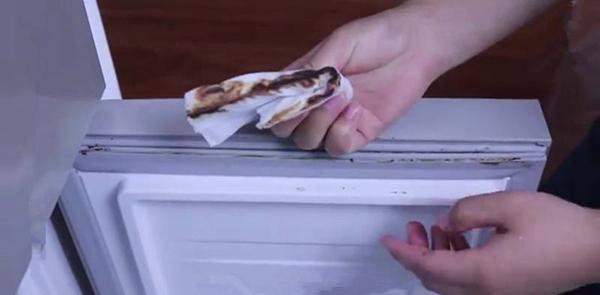
Another effective method is using baking soda mixed with vinegar or fresh lemon juice to create a natural cleaning paste. This mixture works well to remove stubborn stains and mold from rubber surfaces.
To clean narrow gaps in the door seal, wrap a cloth around a rigid card or plastic scraper. Dip the cloth into the prepared mixture and wipe the entire gasket carefully. Once finished, use a soft, damp cloth to wipe the seal again, removing any residue and leaving it clean and fresh.
Baking soda is especially useful for deodorizing and gently scrubbing without damaging the rubber material.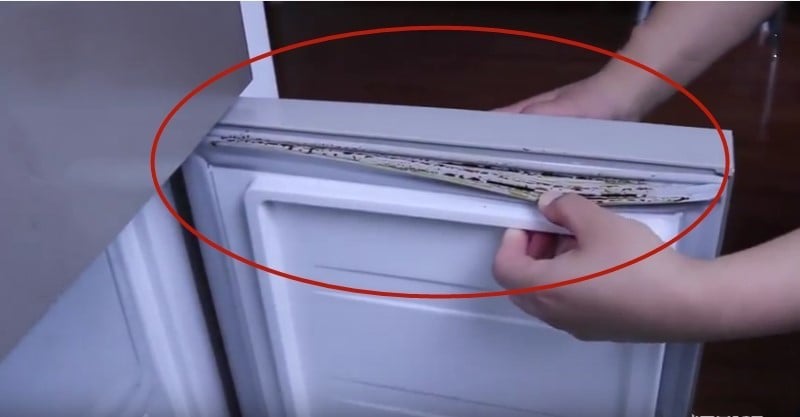
White alcohol (or rubbing alcohol) can also be used to clean refrigerator door seals. Alcohol has strong disinfecting and deodorizing properties, making it effective at removing mold and killing bacteria.
Simply soak a cloth in alcohol and wipe the entire gasket, focusing on areas with visible dirt or mold. Afterward, wipe again with a damp cloth to remove any remaining alcohol smell and residue.
For mold stains that have formed over a long time and are difficult to remove, you may consider using specialized mold-cleaning products. Follow the instructions printed on the product packaging carefully to ensure safety and effectiveness.
These cleaners are specifically designed to remove mold from rubber materials, such as refrigerator door seals, and usually provide fast and long-lasting results.
Before cleaning, always unplug the refrigerator and remove all food items to make the process easier and safer. For food that needs to be kept cold, prepare an insulated cooler with ice packs. Place the food inside and close the lid securely to maintain freshness during cleaning.
Allow the gasket to dry completely before plugging the refrigerator back in to prevent moisture buildup and future mold growth.
Clean the refrigerator regularly
Food spills and residue can cause unpleasant odors and stains if left unattended. Regular cleaning helps keep the refrigerator hygienic and smelling fresh.
Adjust the temperature appropriately
Adjust the refrigerator temperature based on the amount of stored food. Lower temperatures are suitable when the refrigerator is full, while slightly higher settings can save electricity when there is less food inside.
Discard expired or unused food
Avoid keeping food for too long in the refrigerator. Expired or moldy food not only causes bad odors but can also pose health risks.
Organize and separate food properly
Store raw and cooked foods separately. Avoid placing raw meat or fish near ready-to-eat foods. Proper organization helps prevent cross-contamination, makes items easier to find, and keeps the refrigerator cleaner overall.