People with heart problems should avoid these 4 things to reduce stimulation to the heart
Health 16/12/2025 19:18
Colon cancer is becoming an increasingly urgent health concern, especially among younger adults. Rates have doubled in people under 55 over the past few decades, and it has now become the leading cause of cancer-related death for individuals aged 20 to 49. What makes colon cancer particularly dangerous is that it often grows silently. By the time noticeable symptoms appear, the disease may already be progressing. That’s why recognizing early warning signs—and getting screened on time—is absolutely essential.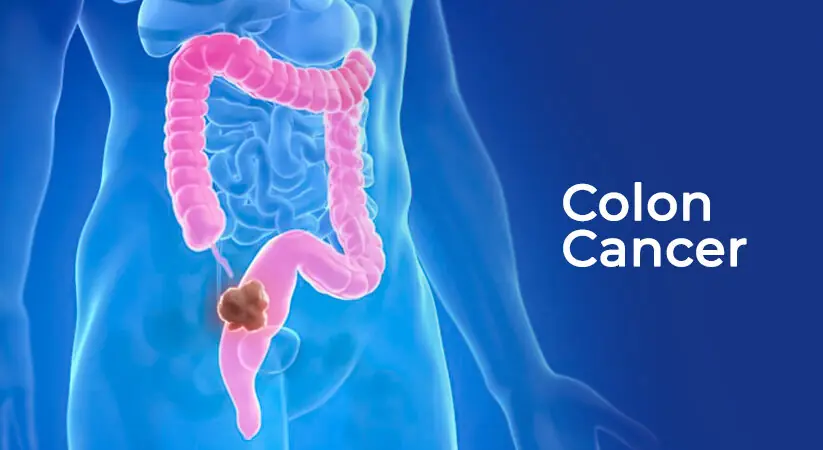
Colon cancer is one of the most preventable cancers when detected early.
Early symptoms are often subtle and easy to overlook.
Routine screening dramatically improves survival rates.
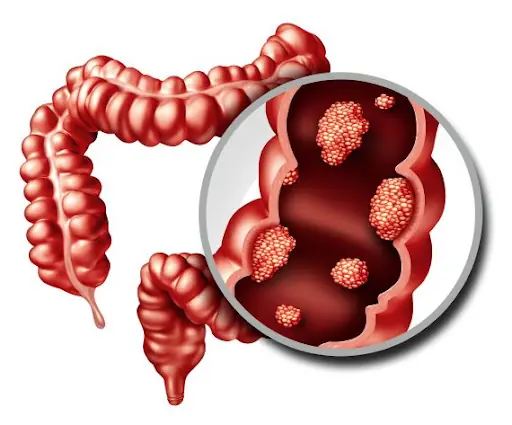
Colon cancer (colorectal cancer) begins in the large intestine or rectum, often starting from small, benign polyps that develop on the colon’s inner lining. These polyps don’t cause symptoms at first, which is why many people don’t know they have them. Over many years, however, certain polyps can accumulate genetic mutations that transform them into cancer.
The process typically unfolds slowly:
Normal cells begin to grow irregularly.
These cells form polyps.
Some polyps develop more mutations and become precancerous.
If untreated, they evolve into malignant tumors capable of invading deeper tissue layers.
Once malignant, cancer cells can spread through the bloodstream or lymphatic system to distant organs—a process known as metastasis. The encouraging news is that routine screenings like colonoscopies can remove polyps before they turn cancerous, significantly reducing the risk of developing the disease.
Recognizing early symptoms can save lives. Here are key warning signs that should never be ignored:
Ongoing diarrhea, constipation, or unusual stool consistency lasting more than a few days may signal an underlying issue. Notice if you’re going more (or less) frequently, experiencing new discomfort, or feeling a change in the way your body eliminates waste. Any persistent change deserves medical evaluation.
Losing weight without changing your diet or exercise routine can be a red flag. Cancer cells often burn a large amount of energy as they grow, leading to sudden or steady weight loss—especially if it exceeds 10 pounds in a short period. Always report unexpected weight changes to your doctor.
Whether bright red, dark red, or mixed into your stool, blood should never be ignored. While hemorrhoids are common, bleeding can also indicate more serious conditions like colon cancer. If you notice spotting on toilet paper or red streaks in the bowl, seek evaluation as soon as possible.
Black or tar-like stools can indicate digested blood from higher up in the digestive tract. This symptom can reflect internal bleeding and requires urgent medical attention. Don’t wait to see if it goes away on its own.
Slow, chronic bleeding from a tumor can lead to iron deficiency. Symptoms include fatigue, pale skin, dizziness, and shortness of breath. If your doctor diagnoses you with iron deficiency and no clear cause is found, further testing—often including a colonoscopy—is usually recommended.
Feeling like your bowel doesn’t fully empty, ongoing cramping, abdominal pressure, or new bloating may indicate a tumor creating a partial blockage. These symptoms are often overlooked or attributed to stress or diet, but if they persist, they require professional assessment.
Gas is normal, but persistent bloating, abdominal pain, or discomfort—even after adjusting diet—may point to an obstruction or abnormal changes in the colon. If bloating is new, worsens over time, or accompanies other symptoms on this list, consult a healthcare provider.
One of the most alarming facts about colon cancer is that it often develops without symptoms in its early stages. Many people feel completely healthy. This is why regular screening is vital. Prevention begins long before symptoms appear.
In the U.S., adults at average risk should begin screening at age 45. Screening options include:
A flexible camera examines the entire colon and rectum, allowing doctors to detect—and remove—polyps during the same procedure. If no polyps are found, most people only need one every 10 years.
Non-invasive tests check for hidden blood or abnormal DNA. These include:
FIT (Fecal Immunochemical Test): Detects hidden blood.
Stool DNA Tests (e.g., Cologuard): Looks for blood and cancer-related DNA mutations.
Positive results from these tests typically require a follow-up colonoscopy for confirmation.
People with a family history of colon cancer, hereditary genetic syndromes, or chronic conditions like inflammatory bowel disease may need to start screening as early as age 25. Always discuss risk factors with your physician to determine the safest timeline for screening.
Colon cancer poses a growing threat, but it is one of the most preventable and treatable cancers when caught early. By paying attention to subtle warning signs, staying aware of your body’s changes, and following recommended screening guidelines, you can significantly improve your chances of early diagnosis and successful treatment. If something feels off, trust your instincts and speak with a healthcare professional.
Stay informed. Stay proactive. Your health is worth it.