How to lower blood sugar without giving up carbs
Health 16/12/2025 22:19

Have you ever jolted awake in the middle of the night with a mouth so dry it feels like it’s coated in dust? Beyond being uncomfortable, nighttime dry mouth can disturb your sleep, irritate your teeth and gums, and leave you wondering whether it signals a deeper health issue. The good news is that you’re far from alone. Dry mouth during sleep—medically called nocturnal xerostomia—affects millions of people and becomes increasingly common with age.
Understanding why your mouth feels painfully dry at night is the first and most important step toward finding lasting relief. In this comprehensive guide, we’ll break down the eight most common causes of nighttime dry mouth, explain how each one affects your body, and share practical steps you can take to manage or prevent the problem. By the end, you’ll know when simple lifestyle changes are enough—and when it’s time to seek professional care.
Nighttime dry mouth can result from aging, medications, mouth breathing, lifestyle habits, or underlying medical conditions.
Some causes are easy to address at home, while others require medical or dental treatment.
Healthy saliva is essential for strong teeth, comfortable digestion, and restful sleep—don’t ignore ongoing dryness.
Your body naturally slows saliva production while you sleep, and this is completely normal. However, research shows that as we age—particularly after 60—this reduction becomes more pronounced. Studies indicate that resting saliva flow can decrease by 38–44% in older adults. As a result, many people notice increased dryness at night or upon waking.
While aging itself rarely causes severe dry mouth, it often combines with other factors such as medications, dehydration, or chronic illness. If you’ve noticed a gradual increase in dryness over the years, mention it to your dentist. It may be common, but that doesn’t mean it should be dismissed.
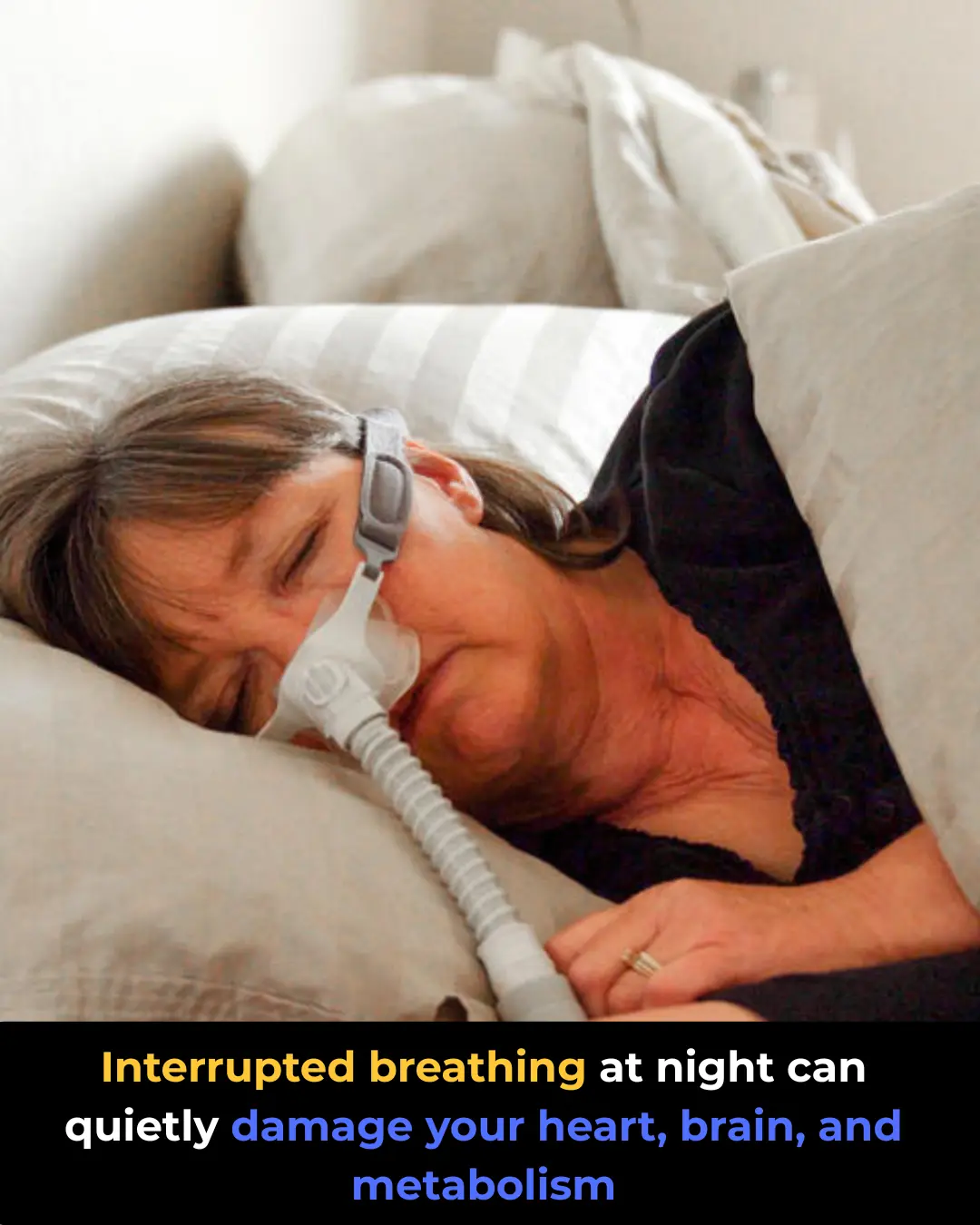
Breathing through your mouth during sleep is one of the fastest ways to dry out your oral tissues. Snoring and obstructive sleep apnea often force air through the mouth instead of the nose, causing saliva to evaporate throughout the night. This leaves your mouth dry, sticky, and uncomfortable by morning.
If you wake up with dry mouth along with loud snoring, choking sensations, or daytime exhaustion, you may have an undiagnosed sleep disorder. Treatment options range from nasal sprays and allergy control to dental appliances or CPAP therapy, all of which can significantly reduce nighttime dryness.
More than 500 medications—both prescription and over-the-counter—list dry mouth as a side effect. Common offenders include antihistamines, blood pressure drugs, antidepressants, pain relievers, and bladder medications. These drugs often interfere with the nerve signals that stimulate saliva production.
Dry mouth becomes even more likely when multiple medications are taken together, a situation known as polypharmacy. If dryness appeared after starting a new medication, speak with your doctor. Adjusting the dose, switching medications, or adding saliva-stimulating strategies can often help. Never stop a medication without professional guidance.
What you drink—and don’t drink—in the evening has a major impact on saliva flow overnight. Inadequate hydration limits saliva production, while caffeine and alcohol actively reduce it. Alcohol also relaxes throat muscles, increasing snoring and worsening dry mouth. Smoking and tobacco use further irritate oral tissues and suppress saliva.
To minimize dryness, drink water consistently throughout the evening, avoid alcohol-based mouthwashes, and limit caffeine and alcohol before bed. Keeping water at your bedside and using sugar-free lozenges or gum can also encourage saliva flow.
In some cases, nighttime dry mouth is a warning sign of an autoimmune disorder. Sjögren’s syndrome causes the immune system to attack saliva- and tear-producing glands, leading to persistent dryness in the mouth and eyes—often worse at night.
Other symptoms may include gritty eyes, chronic fatigue, joint pain, or swelling near the jaw. Early diagnosis is essential to prevent complications. Treatment may involve saliva substitutes, prescription medications, and ongoing monitoring by a specialist.
Chronic conditions, particularly diabetes, can significantly reduce saliva production. High blood sugar damages blood vessels and nerves that support salivary glands, increasing dehydration and dryness—even if thirst isn’t obvious.
Neurological disorders, fungal infections, and past injuries to the head or neck can also disrupt saliva flow. If you have a chronic condition and notice new or worsening nighttime dryness, inform your healthcare provider. Managing the underlying disease often improves oral comfort.
Smoking and vaping expose your mouth to heat, chemicals, and reduced blood flow, all of which damage salivary glands. Many people experience noticeable improvement in dry mouth symptoms after quitting. Recreational drugs—including cannabis, stimulants, and certain opioids—can severely suppress saliva for hours, especially when used at night.
If substance use is contributing to dryness, quitting or reducing use can dramatically improve oral health. During recovery, your dentist can recommend fluoride treatments and protective strategies to prevent tooth damage.
Radiation therapy to the head or neck, certain chemotherapy drugs, and surgical removal of salivary glands can cause long-term or permanent dry mouth. Damaged glands often cannot fully regenerate, making nighttime dryness particularly severe.
Managing this type of dry mouth requires a comprehensive approach, including prescription saliva stimulants, fluoride treatments, custom dental trays, oral gels, and bedroom humidifiers. Regular dental care is critical to prevent cavities, infections, and tooth loss.
For many people, nighttime dry mouth improves with simple changes. Try the following strategies:
Chew sugar-free gum or suck on sugar-free candy to stimulate saliva.
Stay well-hydrated and keep water nearby while sleeping.
Address nasal congestion to encourage nose breathing.
Reduce alcohol, caffeine, and tobacco use before bed.
Use fluoride toothpaste and see your dentist regularly.
If dry mouth persists, becomes severe, or is accompanied by symptoms such as difficulty swallowing, dry or gritty eyes, swollen glands, or frequent dental problems, don’t delay seeking help. Chronic dry mouth isn’t just uncomfortable—it can seriously affect your oral health and overall quality of life. Early treatment protects both your smile and your long-term well-being.