Burglar Uncovers Shocking Crime During Robbery, Turns Himself In and Exposes Serious Offense
Facts 16/12/2025 23:59
For more than sixty years, a routine medical practice has quietly protected millions of American newborns from a rare but devastating condition. It happens within hours of birth, takes only seconds, and has long been considered standard care. Yet hospitals across the United States are now reporting a growing and troubling change: an increasing number of parents are refusing it.
Pediatricians and neonatologists say the trend is no longer anecdotal. A large-scale study published in The Journal of the American Medical Association (JAMA) in December 2025 confirms what many clinicians have been observing firsthand for years (JAMA). The findings have triggered urgent discussions within medical and public health communities about trust, misinformation, and the fragile success of preventive medicine.
At the center of the issue is the vitamin K injection, a single shot given shortly after birth to prevent life-threatening bleeding. Once nearly universal, acceptance of this intervention is now declining. And doctors warn that the consequences could be severe.
The JAMA study analyzed electronic medical records from more than 5 million newborns delivered between January 2017 and December 2024. The data came from 403 hospitals across all 50 states and Washington, D.C., using Epic Systems’ Cosmos database, one of the largest health record networks in the U.S. (JAMA).
Researchers found that approximately 4% of newborns did not receive the vitamin K injection during this period. In absolute terms, that represents nearly 200,000 babies born without protection against vitamin K deficiency bleeding.
More concerning than the raw number is the trend over time. In 2017, refusal rates stood at 2.92%. By 2024, they had climbed to 5.18%. After adjusting for demographic and clinical factors, researchers reported an increase from 2.57% to 4.62%.
Dr. Kristan Scott, a neonatologist at Children’s Hospital of Philadelphia and lead author of the study, said the scope of the increase was unexpected.
“The increase itself was not surprising, but how much it increased did catch me off guard,” Scott told reporters (Children’s Hospital of Philadelphia).
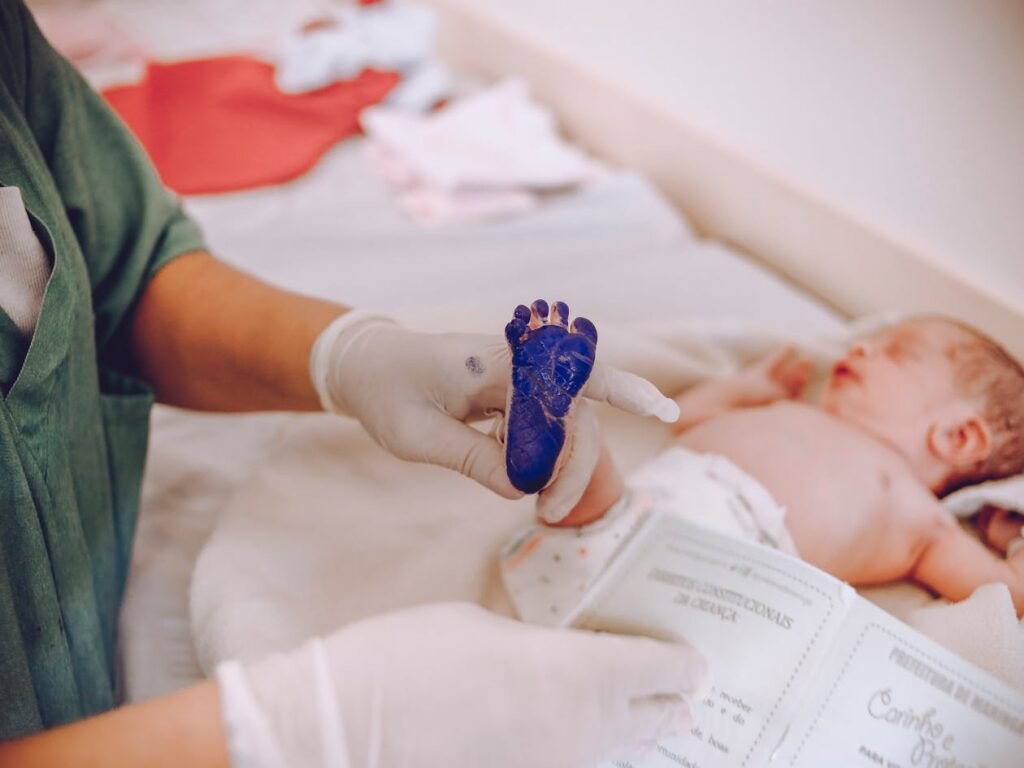
Vitamin K is essential for blood clotting. Adults typically get it through diet and gut bacteria, but newborns start life with extremely low levels. This is due to several biological factors: limited transfer across the placenta, immature digestive systems, and low vitamin K content in breast milk (Centers for Disease Control and Prevention).
Without sufficient vitamin K, a baby’s blood cannot clot properly. This condition can lead to vitamin K deficiency bleeding (VKDB), which may occur days or even months after birth.
Recognizing this risk, U.S. hospitals began routine vitamin K injections in the early 1960s. In 1961, the American Academy of Pediatrics formally recommended universal administration at birth (American Academy of Pediatrics).
The impact was dramatic. Once the injection became standard practice, VKDB went from a recognized pediatric emergency to a medical rarity.
According to the CDC, babies who do not receive vitamin K at birth are 81 times more likely to develop severe bleeding than those who do (CDC).
Bleeding can occur at different stages:
Early VKDB within the first 24 hours
Classic VKDB between days 2 and 7
Late-onset VKDB, the most dangerous form, between 2 weeks and 6 months
Late-onset cases often involve bleeding in the brain, which functions like a stroke in an infant. Mortality rates range from 20% to 50%, and survivors frequently suffer permanent neurological damage (CDC; AAP).
Dr. Scott noted that his hospital has already seen an increase in bleeding cases, something that was virtually unheard of for decades.
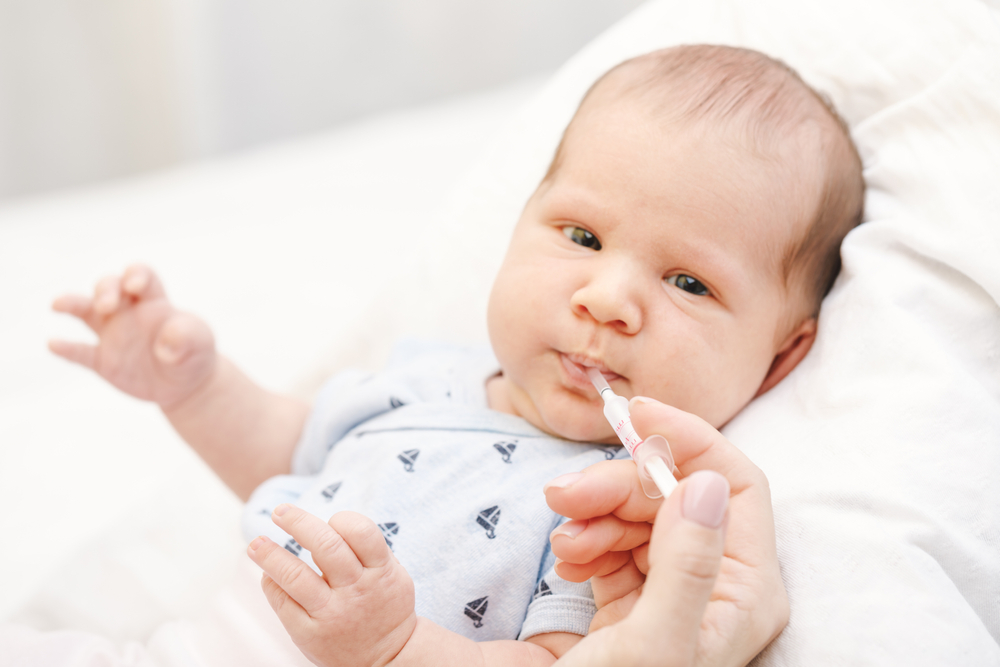
The study identified notable demographic patterns. Non-Hispanic White newborns had the highest refusal rate at 4.3%, while babies classified as other or unknown race had a rate of 5.6%. Native Hawaiian and Other Pacific Islander infants had the lowest refusal rate at 2.6% (JAMA).
Vaginal deliveries were associated with higher refusal rates (4.2%) compared to cesarean deliveries (3.2%). Geographic differences were modest, and socioeconomic status showed minimal variation.
Crucially, the study could not determine why parents refused, as electronic records do not capture motivations. But doctors say they hear similar concerns repeatedly.
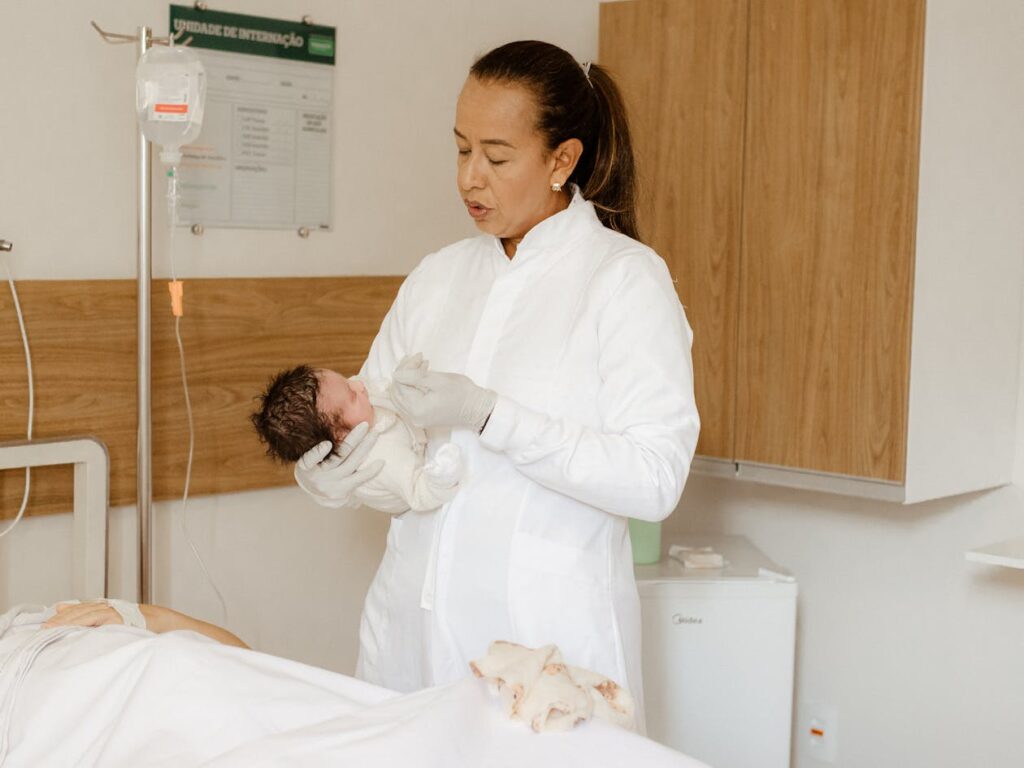
Many clinicians point to widespread misinformation as a key driver of refusal. Vitamin K injections are often incorrectly grouped with vaccines, despite being a vitamin supplement rather than an immunization.
“Parents are equating vitamin K injections with vaccines, which is incorrect,” said Dr. Tiffany McKee-Garrett of Texas Children’s Hospital (Texas Children’s Hospital).
Social media platforms have amplified false claims suggesting the shot is unnecessary or harmful. According to Dr. Ivan Hand, director of neonatology at NYC Health + Hospitals Kings County, declining trust in institutions began well before the COVID-19 pandemic and intensified afterward (American Academy of Pediatrics).
Hand co-authored a 2022 AAP policy statement warning that refusal rates were already rising and posed a serious risk to newborn health.
Ironically, doctors say vitamin K’s success may be part of the problem.
“People don’t see the consequences anymore because the treatment works,” Hand explained. “They think the risk doesn’t exist because they’ve never seen it” (AAP).
Generations of parents have grown up without witnessing VKDB, making the danger feel theoretical rather than real. In that vacuum, online misinformation can feel more compelling than decades of medical evidence.
Medical professionals agree that reversing this trend will require more than individual conversations in delivery rooms. Proposed solutions include:
Standardized counseling protocols in hospitals
Clear informed consent processes for refusals
Public health education campaigns addressing online misinformation
Greater involvement from trusted pediatric voices on social platforms
Dr. Scott believes future research will continue to show a link between refusal and rising bleeding cases. By then, he warns, the damage may already be done.
For over sixty years, American medicine nearly eliminated a dangerous newborn condition with a single injection. Today, that protection is weakening—not because science changed, but because trust did.
Vitamin K deficiency bleeding is entirely preventable. Every case represents a failure of communication, not medicine. As refusal rates rise, doctors fear that tragedies once relegated to history textbooks may return to modern hospitals.
The question now is whether education and trust can be restored before preventable harm becomes common again.