
Photograper Captures A Once-In-A-Lifetime Shot Of A ‘Horizontal Rainbow’ That Filled The Whole Sky
Facts 16/12/2025 23:10
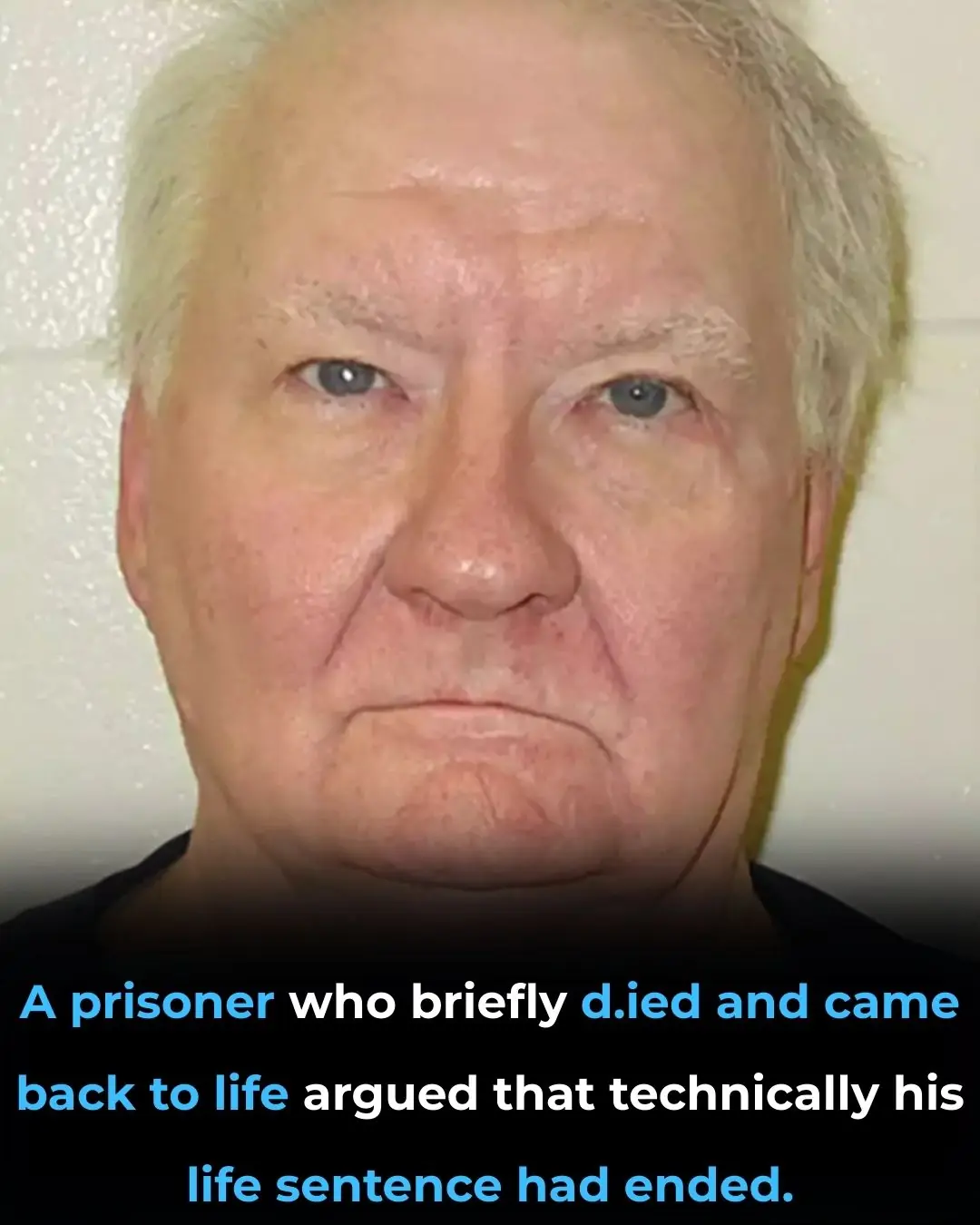
A prisoner in Iowa, Benjamin Schreiber, made a remarkable legal argument in an attempt to shorten his life sentence. Schreiber, who was serving a life sentence without the possibility of parole, claimed that his life sentence had effectively ended after he briefly died and was revived. His argument was based on the premise that, since his heart had stopped during a medical emergency, he had legally died. As such, he contended that his revival meant he had already "served" his sentence, and thus, he should be released.
The case, which gained attention through outlets such as LADbible, centers around Schreiber’s experience in 2015, when he was hospitalized due to septic poisoning. During his time in the hospital, Schreiber’s heart stopped on multiple occasions—five times, to be exact—before doctors managed to revive him each time. Following his recovery, Schreiber filed a legal appeal, asserting that, since he had technically died and been brought back to life, his life sentence should be considered fulfilled.
According to ScienceAlert, Schreiber’s claim was based on the idea that a life sentence is, in essence, a sentence to imprisonment until death. Therefore, Schreiber argued that since he had already died—albeit temporarily—he should no longer be subject to the terms of his sentence.
However, the Iowa Court of Appeals disagreed with Schreiber’s interpretation of the law. In their ruling, the judges stated that Schreiber’s argument was “unpersuasive and without merit,” asserting that he was still alive and thus still bound by the terms of his life sentence. The court's ruling clarified that a life sentence refers to imprisonment for the remainder of a person’s natural life, not a sentence that ends upon a brief medical death.
The case highlights the complex nature of legal definitions surrounding life sentences and the question of whether a temporary death could alter the terms of imprisonment. Schreiber’s argument, while creative, was ultimately rejected by the courts, reinforcing the notion that life sentences are meant to last until a prisoner’s natural death, not until an isolated medical event.
This case also raises important ethical and legal questions about the nature of death, the definition of "life," and the expectations placed on prisoners serving long sentences. For Schreiber, his legal fight serves as a reminder that, in the eyes of the law, a brief medical death does not equate to freedom, and he remains bound by the conditions of his original sentence.
Sources:
LADbible, "Prisoner Claims He Should Be Released After 'Dying' and Being Revived."
ScienceAlert, "Inmate Argues He Has Served Life Sentence After Briefly Dying and Being Revived."