Why This Doctor Chooses Not to Prescribe Statins for High Cholesterol — and What He Recommends Instead
Health 16/12/2025 20:59
A COPD exacerbation—often called a flare-up—is a sudden worsening of symptoms in people living with Chronic Obstructive Pulmonary Disease. These episodes can develop quickly, become life-threatening if ignored, and are one of the leading causes of hospitalization among COPD patients.
Understanding the early warning signs—and knowing how to respond—can dramatically reduce complications, slow disease progression, and even save lives.
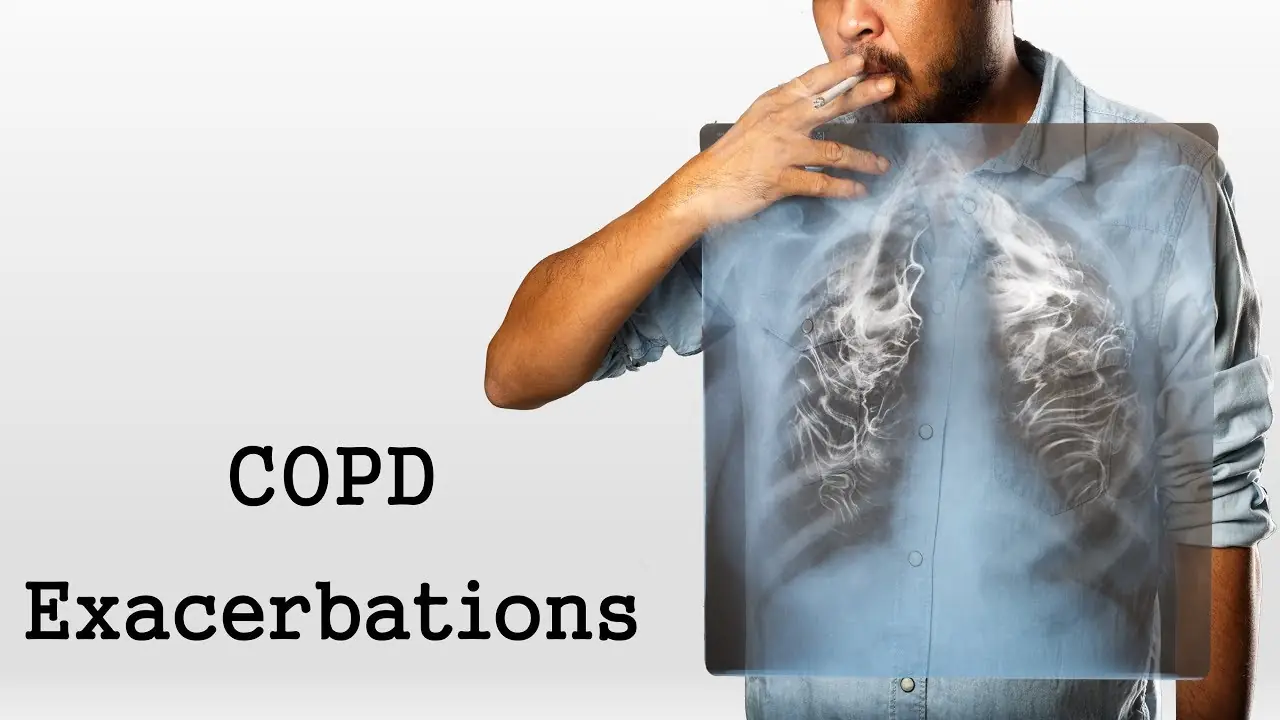
A COPD exacerbation is defined as an acute change in baseline respiratory symptoms that goes beyond normal day-to-day variation and requires additional treatment. Flare-ups may last from a few days to several weeks and often recur if triggers are not controlled.
Common triggers include:
Respiratory infections (viral or bacterial)
Air pollution or smoke exposure
Sudden weather changes
Poor medication adherence
Stress or lack of sleep
Each exacerbation:
Accelerates lung function decline
Increases the risk of future flare-ups
Weakens the immune system
Raises the likelihood of hospitalization and mortality
Repeated flare-ups can permanently worsen breathing capacity—even if symptoms later improve.
Recognizing symptoms early allows for faster intervention and better outcomes.
Increased shortness of breath (especially at rest)
Faster or shallow breathing
Wheezing or chest tightness
Reduced ability to walk or talk without gasping
More frequent or severe coughing
Increased mucus production
Thickened sputum
Change in mucus color (yellow, green, or bloody)
Extreme fatigue or weakness
Confusion or difficulty concentrating
Fever or chills (often signal infection)
Swollen ankles or legs (fluid retention)
Seek urgent help if you experience:
Blue or gray lips/fingertips (low oxygen)
Severe breathlessness not relieved by inhalers
Chest pain
Drowsiness or loss of consciousness
These may indicate respiratory failure and require emergency treatment.
Respiratory infections account for up to 70% of flare-ups. Viruses weaken lung defenses, allowing bacteria to multiply.
Cigarette smoke (active or passive)
Air pollution
Chemical fumes
Dust and allergens
Skipping maintenance inhalers
Incorrect inhaler technique
Running out of prescriptions
Treatment depends on severity and cause:
Short-acting bronchodilators (rescue inhalers)
Oral or inhaled corticosteroids
Antibiotics (if bacterial infection suspected)
Used when blood oxygen levels drop dangerously low.
Severe cases may require:
IV medications
Non-invasive ventilation
Intensive monitoring
Take medications exactly as prescribed
Avoid smoke and polluted environments
Wash hands frequently
Get annual flu and pneumonia vaccines
Exercise training and breathing techniques improve lung efficiency and reduce flare-up frequency.
A written COPD action plan helps patients recognize early symptoms and act quickly—often preventing hospitalization.
Call your healthcare provider if:
Symptoms worsen for more than 24–48 hours
Rescue inhalers stop working
You notice changes in mucus or fever
Early treatment is the most effective way to stop a mild flare-up from becoming severe.
Although COPD is a chronic condition, many people live active, fulfilling lives by recognizing flare-ups early, avoiding triggers, and staying consistent with treatment.
Education is one of the strongest tools you have.