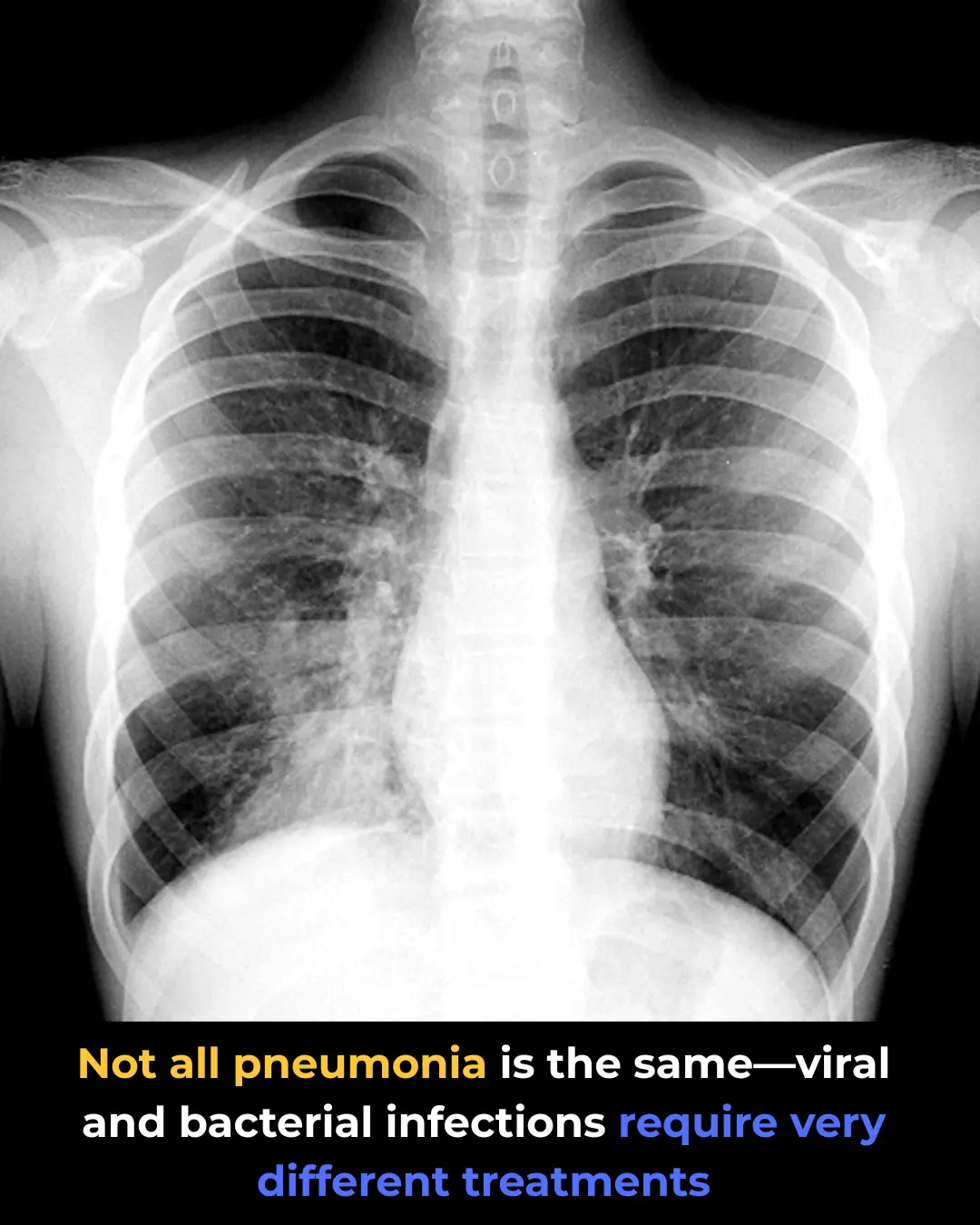
Viral Pneumonia vs. Bacterial Pneumonia: Key Differences
Health 16/12/2025 16:40
Sleep Apnea is a serious sleep-related breathing disorder that affects millions of people worldwide—many without realizing it. Characterized by repeated pauses in breathing during sleep, sleep apnea silently disrupts oxygen flow to the brain and body, increasing the risk of heart disease, stroke, diabetes, and accidents caused by daytime fatigue.
Because the symptoms often occur while you’re asleep, the condition is frequently underdiagnosed. Understanding the warning signs, health risks, and available treatments is essential for protecting both your sleep quality and long-term health.
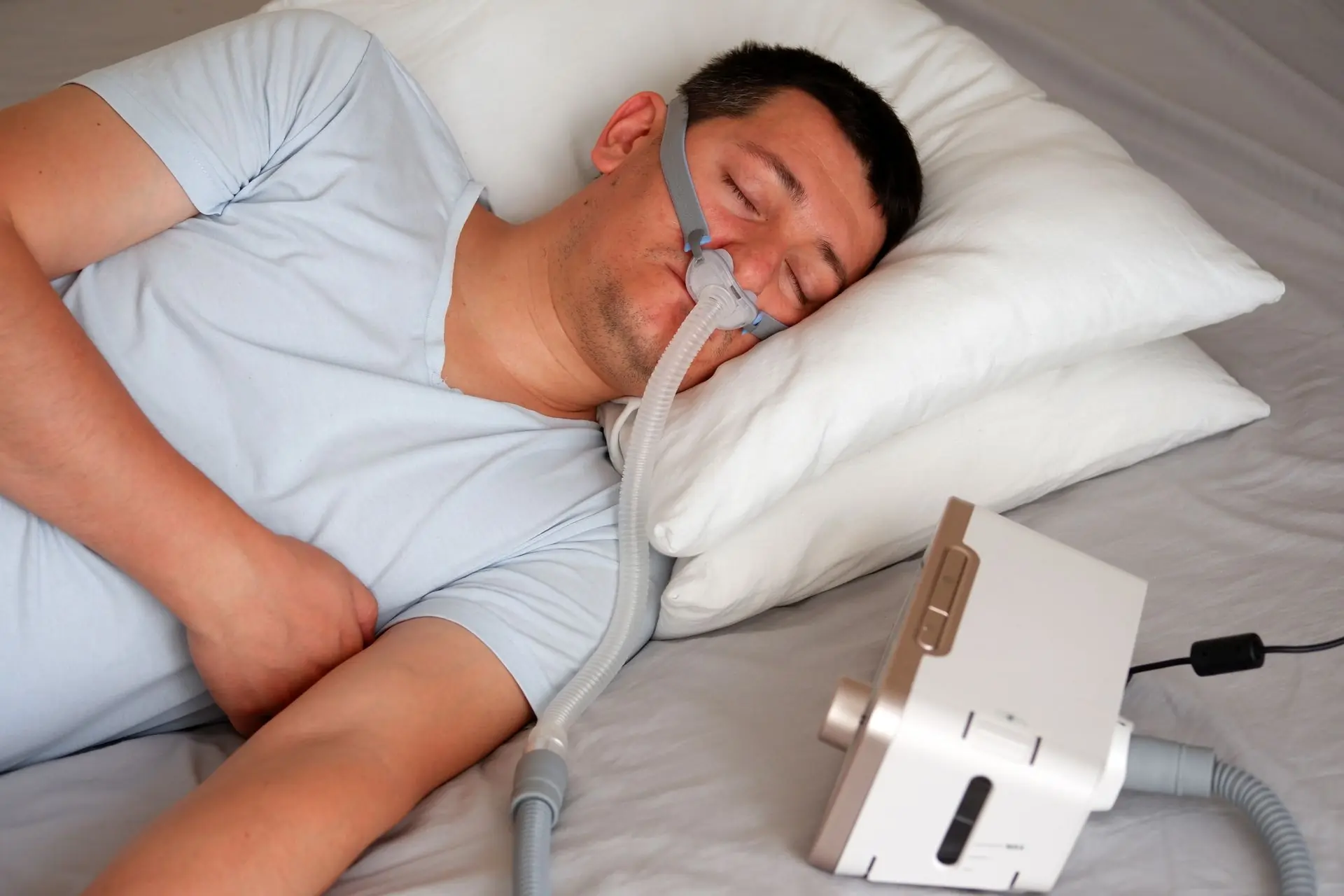
Sleep apnea occurs when breathing repeatedly stops and starts during sleep. These pauses—called apneas—can last from a few seconds to over a minute and may occur dozens or even hundreds of times per night. Each episode briefly wakes the brain, preventing deep, restorative sleep.
1. Obstructive Sleep Apnea (OSA)
The most common form, caused by relaxation of throat muscles that block the airway.
2. Central Sleep Apnea (CSA)
Occurs when the brain fails to send proper signals to the muscles that control breathing.
3. Complex Sleep Apnea Syndrome
A combination of obstructive and central sleep apnea.
Sleep apnea symptoms vary from person to person, but some warning signs are especially common:
Loud, chronic snoring
Gasping, choking, or snorting during sleep
Pauses in breathing witnessed by a partner
Restless sleep or frequent awakenings
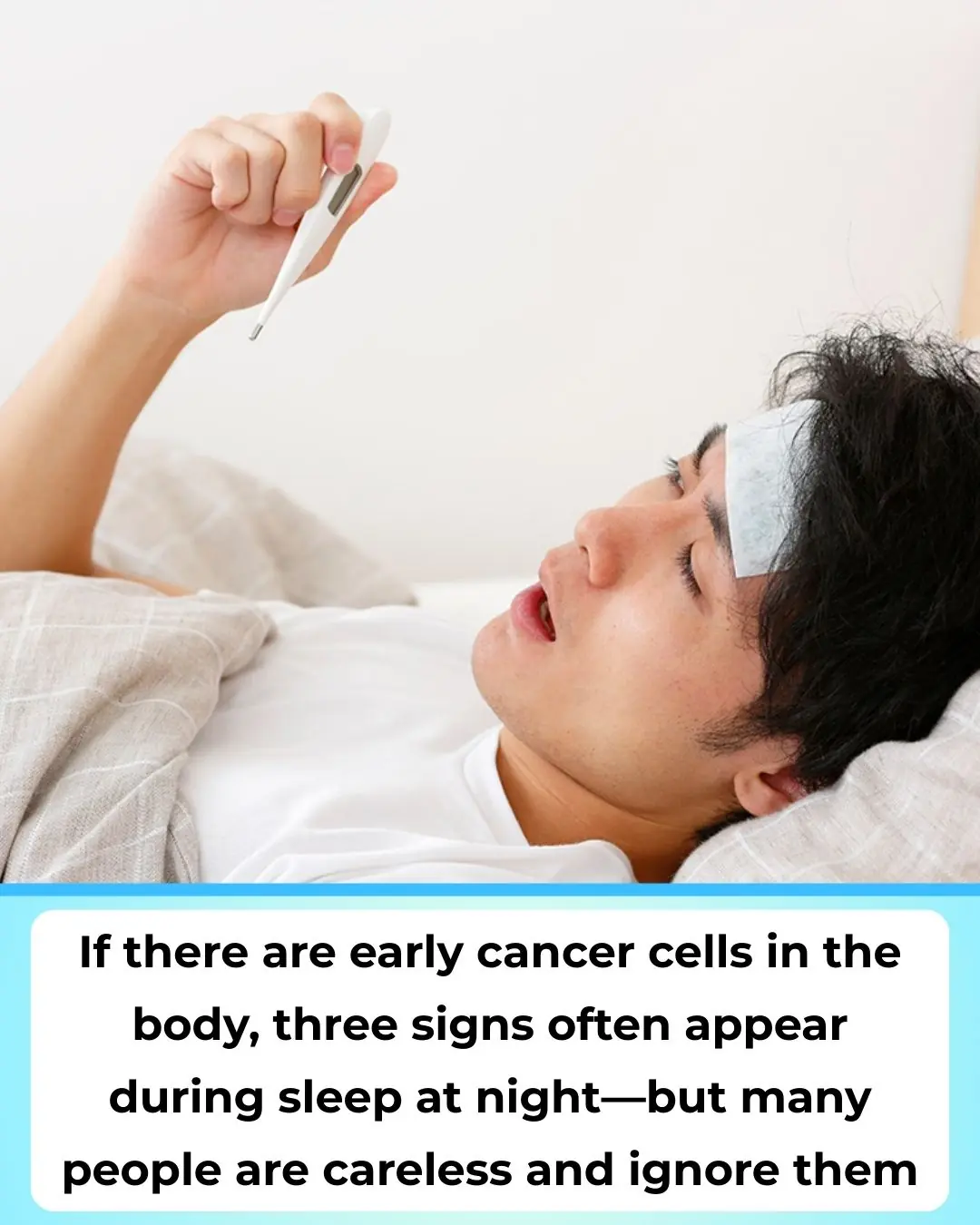
Night sweats
Excessive daytime sleepiness
Morning headaches
Difficulty concentrating or memory problems
Irritability or mood swings
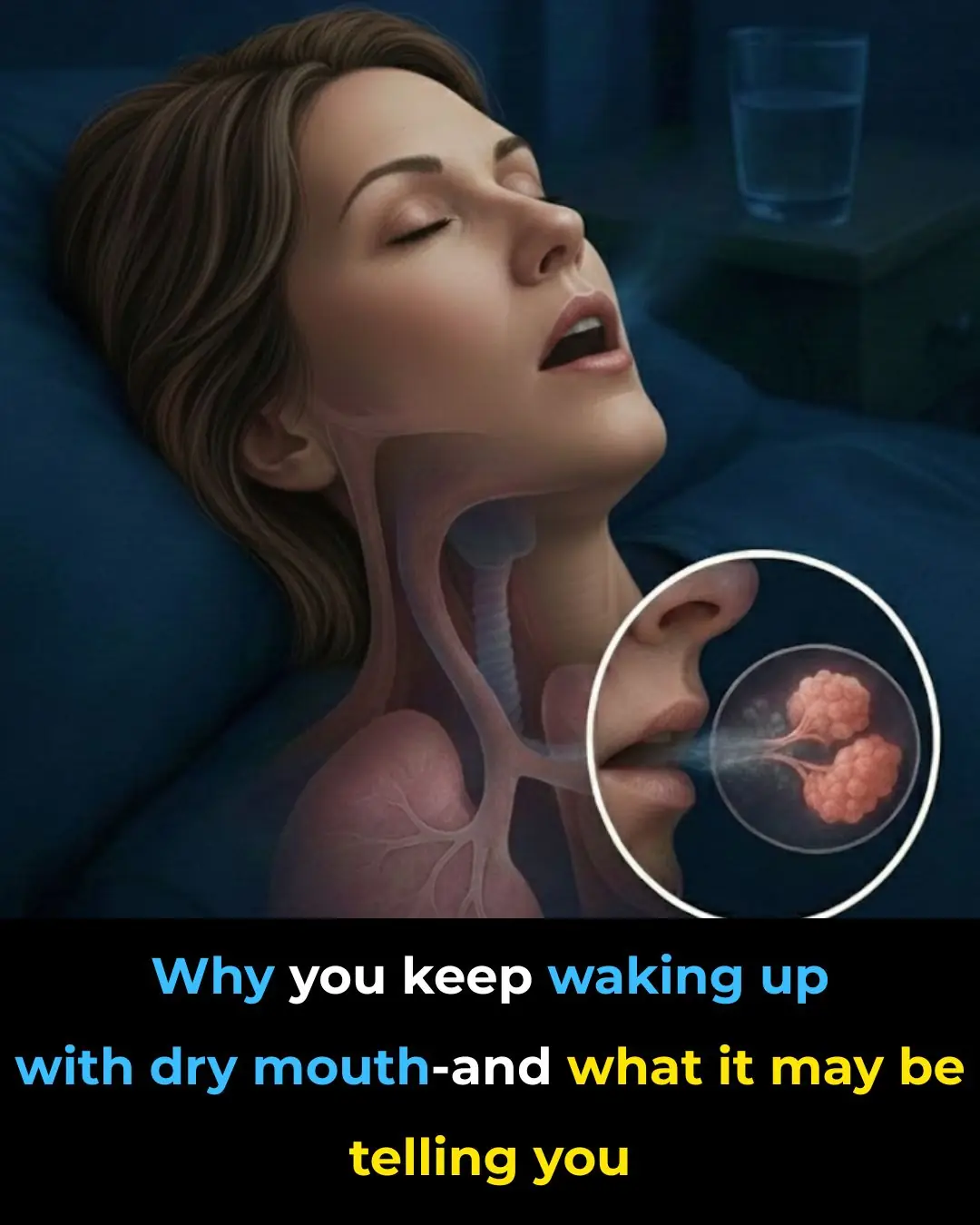
Dry mouth or sore throat upon waking
Many people attribute these symptoms to stress or aging, allowing sleep apnea to progress unchecked.
Untreated sleep apnea is more than just a sleep problem—it’s a systemic health threat.
Repeated oxygen deprivation strains the heart, increasing the risk of:
High blood pressure
Heart attack
Irregular heartbeat (arrhythmia)
Stroke
Sleep apnea interferes with glucose metabolism and insulin sensitivity, making diabetes harder to control.
Chronic sleep fragmentation impairs memory, focus, and decision-making. Long-term, it may increase the risk of cognitive decline.
Daytime drowsiness significantly raises the risk of workplace accidents and motor vehicle crashes.
Poor sleep worsens anxiety, depression, and emotional regulation.
Certain factors increase the likelihood of developing sleep apnea:
Overweight or obesity
Large neck circumference
Family history of sleep apnea
Smoking or alcohol use
Nasal congestion or structural airway issues
Male gender (though women are often underdiagnosed)
Postmenopausal status in women
Children can also develop sleep apnea, often related to enlarged tonsils or adenoids.
Diagnosis usually involves a sleep study, known as polysomnography. This test monitors breathing, oxygen levels, heart rate, and brain activity during sleep.
In some cases, home sleep apnea tests may be recommended for moderate to severe symptoms, though they are less comprehensive.
The good news: sleep apnea is highly treatable.
CPAP is the gold standard treatment. It uses a mask to deliver steady air pressure, keeping the airway open throughout sleep.
Benefits:
Reduces apneas immediately
Improves sleep quality
Lowers blood pressure and heart risk
Custom-made mouthpieces reposition the jaw and tongue to keep the airway open. Best suited for mild to moderate OSA.
Simple changes can significantly reduce symptoms:
Weight loss
Sleeping on your side
Avoiding alcohol before bed
Quitting smoking
Treating nasal congestion
In severe or structural cases, surgery may be recommended to remove or reshape tissue blocking the airway.
New options such as hypoglossal nerve stimulation show promise for patients who cannot tolerate CPAP therapy.
While not all cases are preventable, risk can be reduced by:
Maintaining a healthy weight
Exercising regularly
Managing chronic conditions
Getting evaluated early if symptoms appear
Early diagnosis dramatically lowers the risk of long-term complications.
You should seek medical evaluation if you or a partner notice:
Loud snoring with breathing pauses
Persistent daytime sleepiness
Morning headaches or confusion
High blood pressure that’s difficult to control
Sleep apnea rarely improves on its own—and delaying treatment increases health risks.