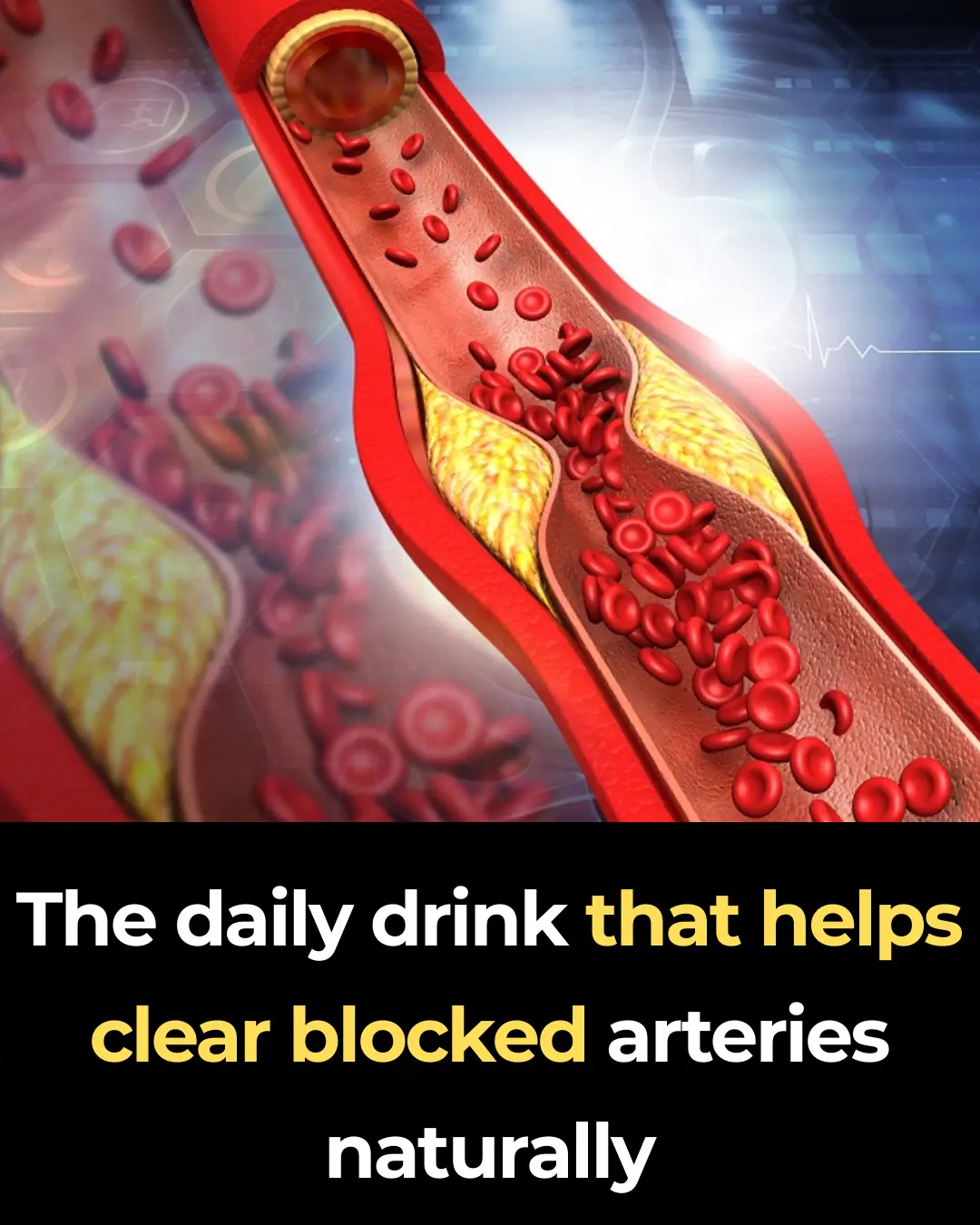
Why This Doctor Chooses Not to Prescribe Statins for High Cholesterol — and What He Recommends Instead
Health 16/12/2025 20:59
Sugar-Related Illnesses Are Rising: Are You at Risk?
Illnesses connected to sugar consumption are increasing at an alarming rate. Conditions such as diabetes, cardiovascular disease, cancer, and even adrenal fatigue are just a few of the serious chronic health issues linked to over-indulgence in the sweet white substance often referred to as “poison.”
Sugar is everywhere in modern diets, often hidden in processed foods, drinks, and snacks. Many people fail to recognize just how much sugar they consume daily. The problem is not just about occasional treats—chronic sugar overconsumption can lead to significant health problems over time.
Many people become aware of their sugar dependence when they notice constant cravings for sweet foods or drinks that offer a quick pick-me-up. If you find yourself reaching for sugary snacks multiple times a day, it may be a sign of sugar addiction. But how can you tell if your sugar intake has gone too far? Here are ten warning signs that you may be eating too much sugar—and why it matters.
1. Constant Tiredness and Low Energy
Feeling perpetually exhausted or drained is one of the most common indicators of excessive sugar consumption. High-sugar foods can give a temporary energy boost due to their carbohydrate content, but this is quickly followed by a severe energy crash. Over time, this cycle can leave your body chronically fatigued and mentally drained. Persistent tiredness may signal the need to evaluate your diet and reduce sugar intake.
Other factors like sleep quality, stress, and nutritional deficiencies can also contribute to fatigue, so it’s worth looking at your lifestyle as a whole. You can also explore strategies to beat fatigue naturally to complement a low-sugar diet.
2. Frequent Sugar and Carb Cravings
If you constantly crave sugary snacks or carbohydrate-rich foods, you may be dealing with sugar addiction. Sugar triggers a cycle of cravings that can be difficult to break because it stimulates reward pathways in the brain. These cravings can interfere with your ability to make healthy food choices, making it challenging to maintain stable energy levels throughout the day.
3. More Frequent Illnesses
Excess sugar can weaken your immune system, making you more susceptible to colds, flu, and other infections. If you find yourself catching illnesses more often than before, your sugar intake could be a contributing factor. Sugar suppresses white blood cell function, impairing the body’s ability to fight off pathogens and leaving you vulnerable to sickness.
Boosting immunity naturally through a balanced diet, regular exercise, and sufficient sleep can counteract some of these effects.
4. Anxiety, Mood Swings, or Depression
Sugar doesn’t just impact your body; it can also affect your emotional health. After the temporary high from sugar consumption, your body experiences a crash that can mirror symptoms of depression, including lethargy, sadness, and social withdrawal. Anxiety symptoms—such as nervousness, excessive worry, or a sense of impending doom—can also arise from a high-sugar diet.
Managing sugar intake alongside stress-reducing practices, like mindfulness, exercise, or natural remedies, can help stabilize your mood and energy levels.
5. Skin and Foot Problems
Sugar promotes inflammation in the body, which can manifest as skin issues like acne, rosacea, eczema, or excess dryness or oiliness. Dark circles under the eyes are another common sign of chronic sugar consumption. Many people notice significant improvements in their skin and overall health when they reduce processed sugar intake.
6. Weight Gain
Excess sugar is often stored as fat when the body’s glucose storage capacity is exceeded, leading to weight gain. Over time, this can result in obesity, which in turn increases the risk of conditions such as high cholesterol, heart disease, and sleep apnea. Reducing sugar intake is one of the most effective strategies for managing weight and preventing related health complications.
Simple lifestyle changes, such as walking more, replacing sugary drinks with water, or using metabolism-boosting spices, can support weight management.
7. High Blood Pressure
While salt often gets the blame for hypertension, sugar can also be a major contributor. Studies have shown a link between high sugar consumption and elevated blood pressure. Reducing sugar intake can sometimes have a more significant impact on blood pressure than reducing salt alone.
8. Dental Problems
Sugar is notorious for causing tooth decay. It feeds the bacteria in your mouth, leading to cavities, enamel erosion, and gum disease. Sugary beverages and snacks can leave teeth discolored and susceptible to infections. Good oral hygiene is crucial, but reducing sugar is one of the most effective ways to protect your teeth.
9. Increased Risk of Diabetes
Consuming excessive sugar can lead to weight gain, which increases the risk of developing type 2 diabetes. Even those who are not diagnosed as diabetic may be “pre-diabetic” without knowing it. Symptoms like excessive thirst, constant hunger despite regular meals, and feeling weak after skipping a meal could be early warning signs. Monitoring blood sugar and consulting a healthcare professional is key for prevention.
10. Heart Disease
A high-sugar diet can negatively impact cardiovascular health. Studies have shown that diets rich in sucrose or processed sugar increase the risk of heart disease more than high-fat or high-starch diets. Although much of the research is preliminary, reducing sugar consumption is widely recognized as a preventive measure for maintaining heart health.
Reducing refined sugars and simple carbohydrates is an essential step toward better health. Healthy alternatives, such as fruits, sweet potatoes, and other naturally sweet foods, can satisfy your cravings without the harmful effects of processed sugar. Gradually replacing sugary snacks with nutrient-rich options allows your taste buds to adapt to more natural flavors.
Developing strategies to avoid sugar—like planning meals, reading labels, and finding satisfying sugar-free snacks—can help you regain control over your diet. Even small steps, like cutting out sugary drinks or candies, can have a noticeable impact on energy levels, mood, and overall health.
By committing to a low-sugar lifestyle, you’re not only protecting your physical health but also improving mental well-being, emotional stability, and long-term quality of life.
Resources for Quitting Sugar:
13 Effective Ways to Quit Sugar
Research on Sugar and Cancer Risk
At Healthy and Natural World, our mission is to empower individuals with practical, research-based health information. While our articles are well-referenced and objective, they are not a substitute for professional medical advice. Always consult a healthcare professional for personal medical concerns.