
Facts 17/12/2025 11:55
Revolutionary mRNA Vaccine Shows Early Promise in Defeating Deadly Brain Cancer
Researchers at the University of Florida have developed an innovative mRNA-based cancer vaccine that has demonstrated impressive early results in treating glioblastoma, one of the most aggressive and deadly forms of brain cancer. This groundbreaking research represents a significant step forward in cancer treatment, offering a new approach that could potentially revolutionize the way we fight cancer.
The new vaccine utilizes a personalized approach by using the patient’s own tumor cells to create a tailored mRNA sequence. This sequence is then encapsulated in advanced lipid nanoparticles and delivered intravenously. The goal is to train the immune system to recognize and target tumor cells directly, providing a more precise and less invasive treatment compared to traditional methods like chemotherapy or radiation therapy.
In an initial small-scale clinical trial involving four adult glioblastoma patients, researchers observed a striking immune response within just 48 hours of administering the vaccine. The environment around the tumors shifted from what is known as "immune cold"—a state where the immune system is inactive or ineffective against cancer—to "immune hot," indicating that the immune system was significantly activated and ready to attack the cancer cells.
This rapid immune activation suggests that the vaccine is effectively reprogramming the immune system, enabling it to identify and destroy cancer cells more efficiently. Prior to human testing, similar results were observed in animal models, including both mice and pet dogs naturally afflicted with brain tumors. These preclinical studies provided strong evidence that the vaccine's mechanism of action could translate across different species, reinforcing the potential for this therapy in humans.
Despite these promising results, experts caution that this study is still in the very early stages. The data primarily demonstrates immune activation, not confirmed long-term tumor elimination or survival benefits. It is still unclear whether all patients in the trial experienced full tumor regression or whether they could be treated without the need for additional therapies like chemotherapy or radiation. Therefore, the long-term efficacy and safety of this approach remain to be fully established.
To validate these findings and better understand the vaccine’s potential, larger, more controlled clinical trials are needed. These trials will be crucial in confirming whether the immune response observed can lead to sustained tumor regression and improved patient outcomes. Furthermore, these studies will help ensure the safety and scalability of the vaccine for broader use in the treatment of glioblastoma and potentially other cancers.
Overall, this innovative mRNA vaccine approach represents a promising leap forward in the field of cancer immunotherapy. By combining the adaptability of mRNA technology with the precision of personalized medicine, it opens new doors for individualized cancer treatment. Researchers are hopeful that this strategy could become a game-changer in the fight against glioblastoma and other cancers in the future.
For further details, the study was published in Nature Biomedical Engineering, volume 9, pages 1437–1452 (2025).
Sources:
-
Nature Biomedical Engineering (2025).
-
American Association for Cancer Research (AACR).
-
National Cancer Institute (NCI).
This study is a clear indication that personalized, mRNA-based vaccines could become a cornerstone in the future of cancer treatment, offering new hope to patients with difficult-to-treat cancers like glioblastoma. However, as with any early-stage clinical research, extensive follow-up studies will be essential to determine the full potential of this therapy.
News in the same category

Introducing NEO: The $20,000 Humanoid Robot That Will Revolutionize Your Home

Michelin's Game-Changing Airless Tires: No Punctures, No Blowouts, Just Pure Innovation

Experience the Ultimate 4,000-Mile Canadian Train Adventure for Just $558

Is Intelligence Linked to Political Ideology? New Research Reveals Surprising Findings

Shocking Rise in Cognitive Disabilities Among Young Adults – A Decade-Long Yale Study Reveals Startling Trend
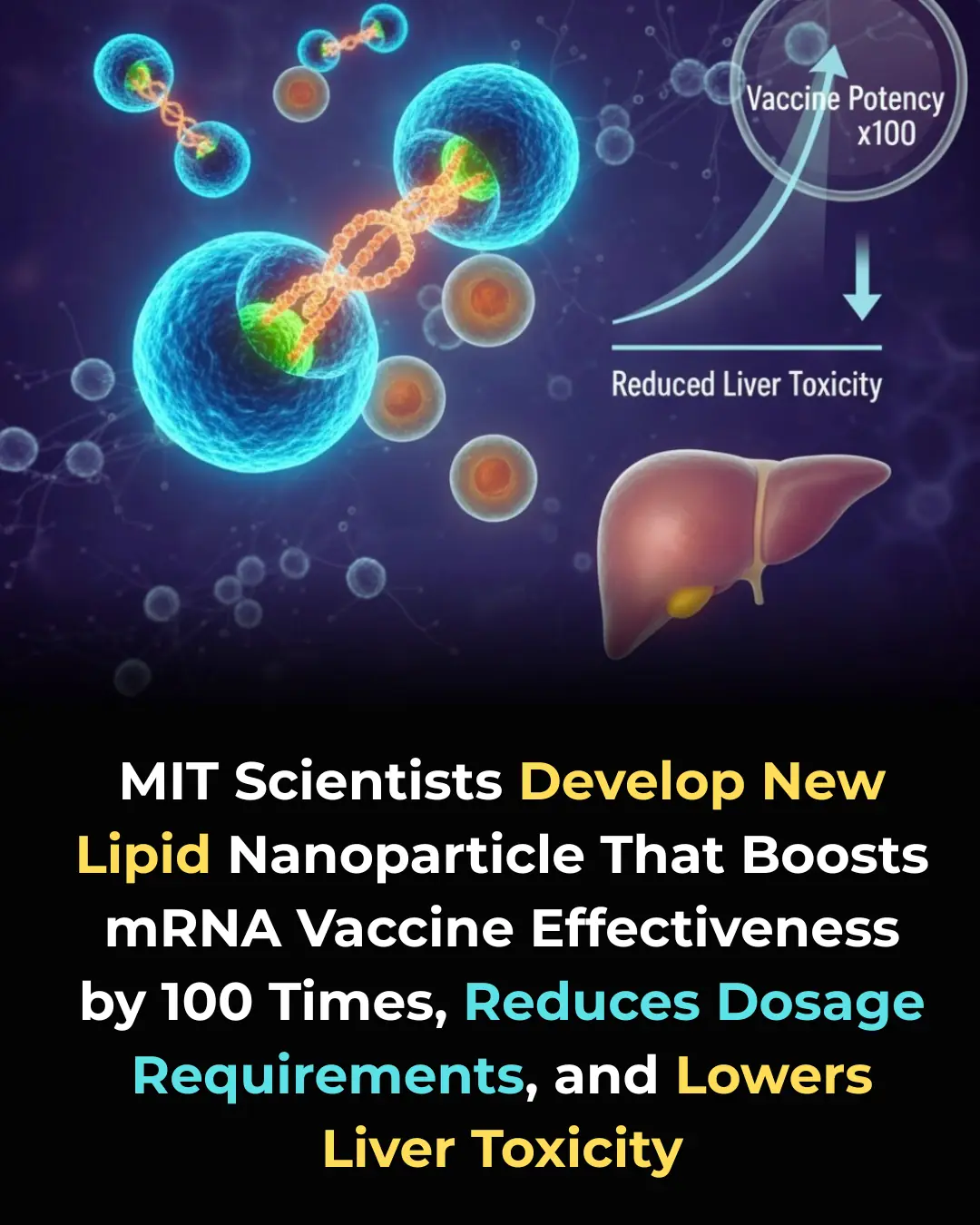
MIT's Groundbreaking mRNA Vaccine Technology Boosts Effectiveness 100 Times and Reduces Toxicity
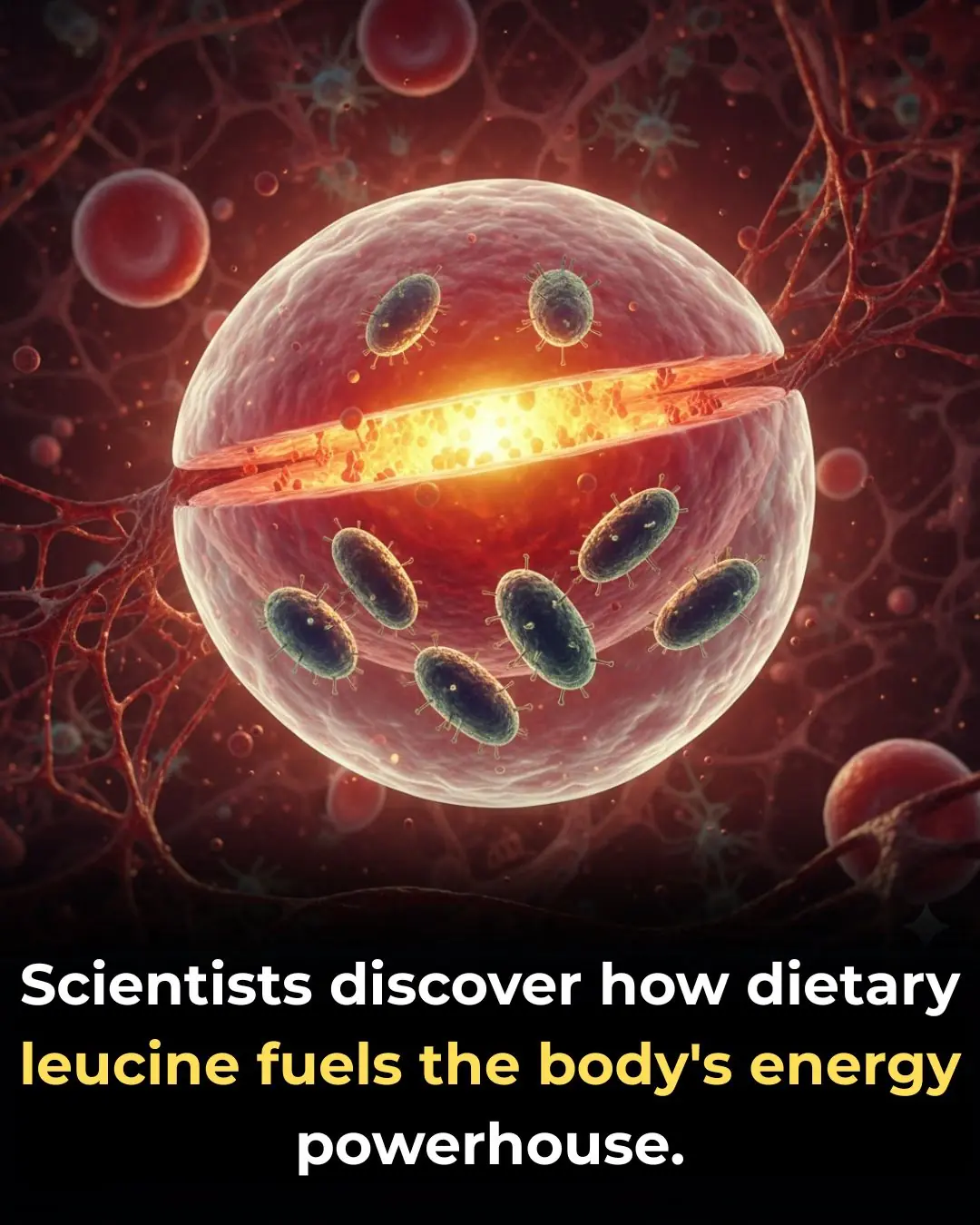
Leucine’s Hidden Power: How an Essential Amino Acid Boosts Mitochondrial Energy and Cellular Health

Wildlife Populations Have Declined by 73% in the Last 50 Years, Scientists Warn

Mariana Trench -The deepest location on Earth
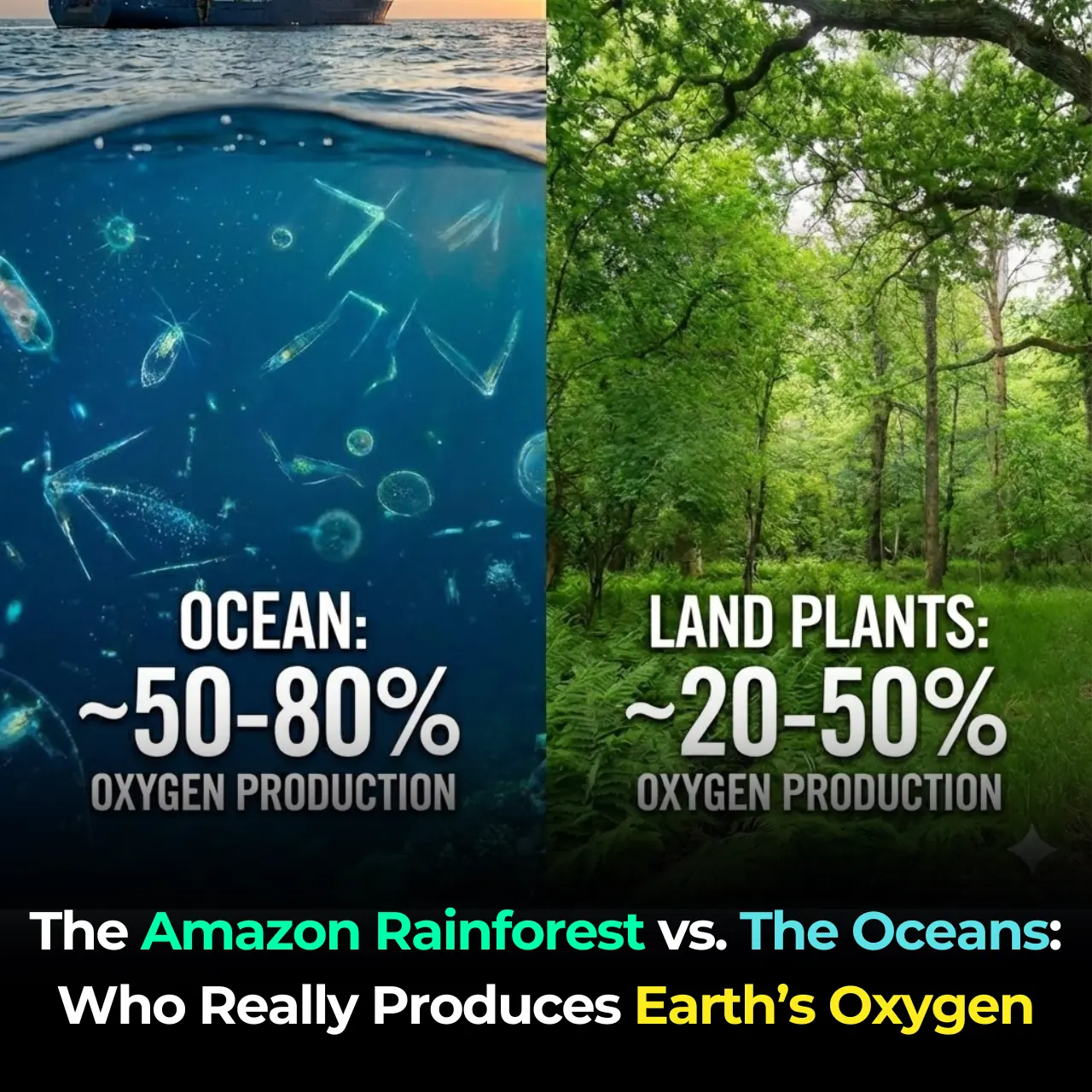
The Amazon Rainforest vs. The Oceans: Who Really Produces Earth’s Oxygen?

The Walking Trees of Ecuador: They Reportedly Move Up to 20 Meters Per Year
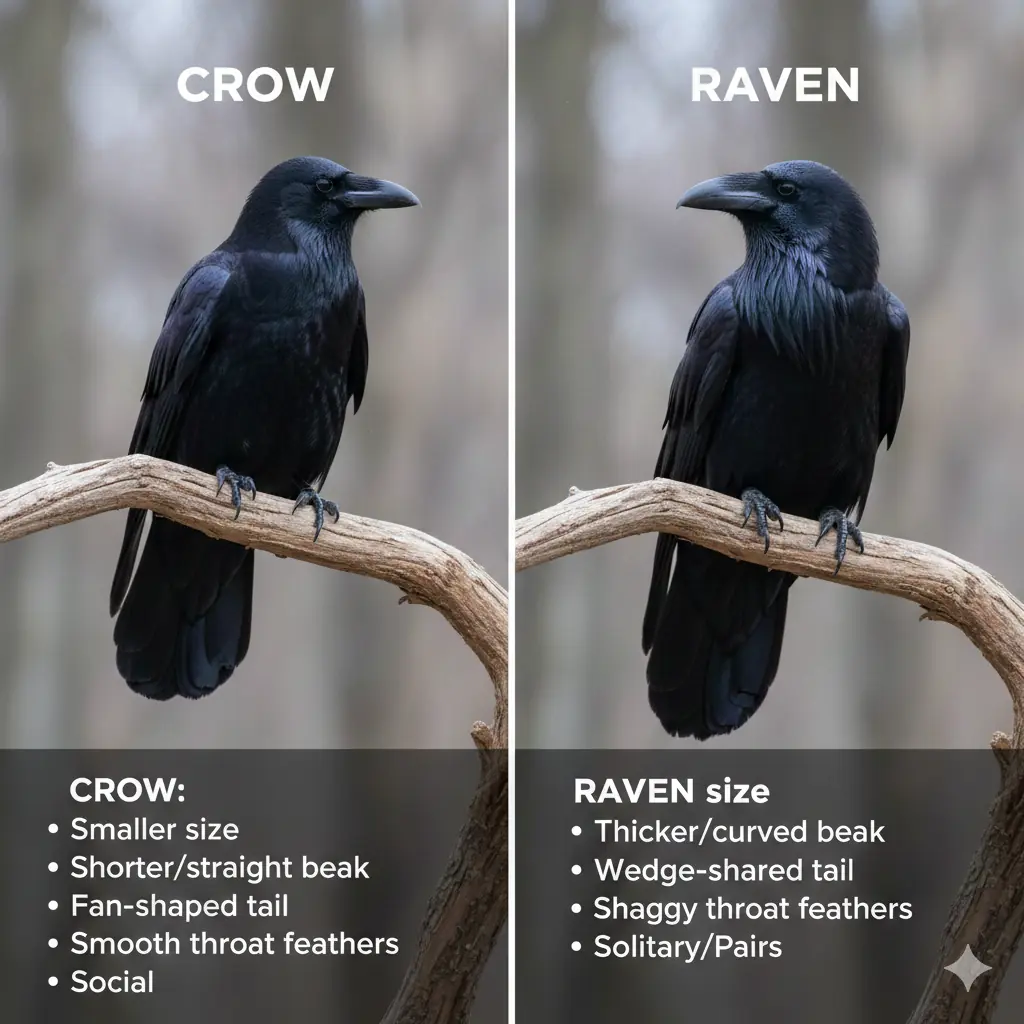
Scientists Find Crows Are Capable of Recursion — A Cognitive Ability Thought to Be Unique to Humans and Other Primates

Meet one of France’s last on-site lighthouse keepers

British Father and Son Become First to Swim Through Point Nemo, the Farthest Point From Land on Earth

10 Reasons People Treat You Poorly and How to Protect Yourself
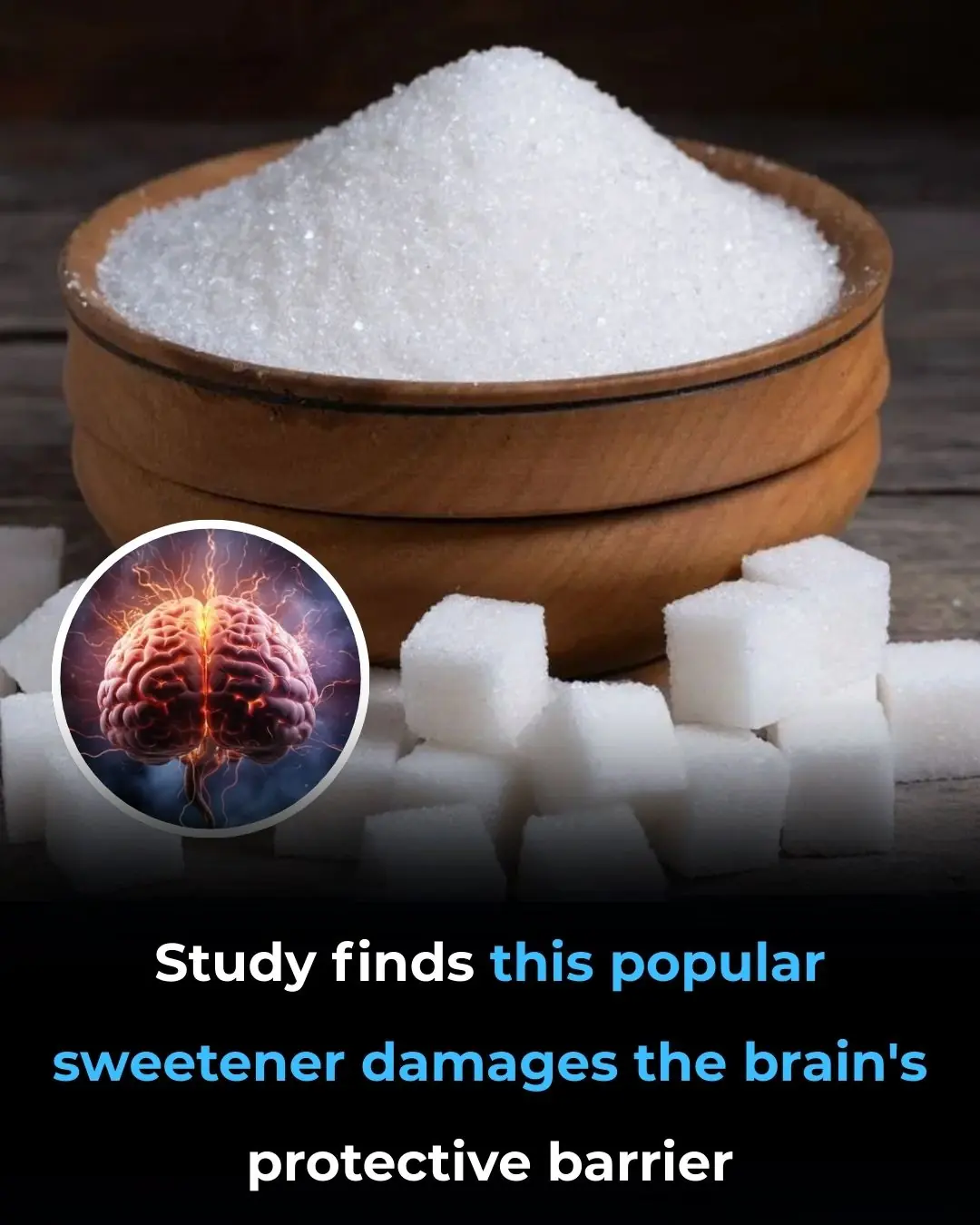
Erythritol Under Scrutiny: Could the Popular Sugar Substitute Weaken Your Brain’s Protective Barrier?
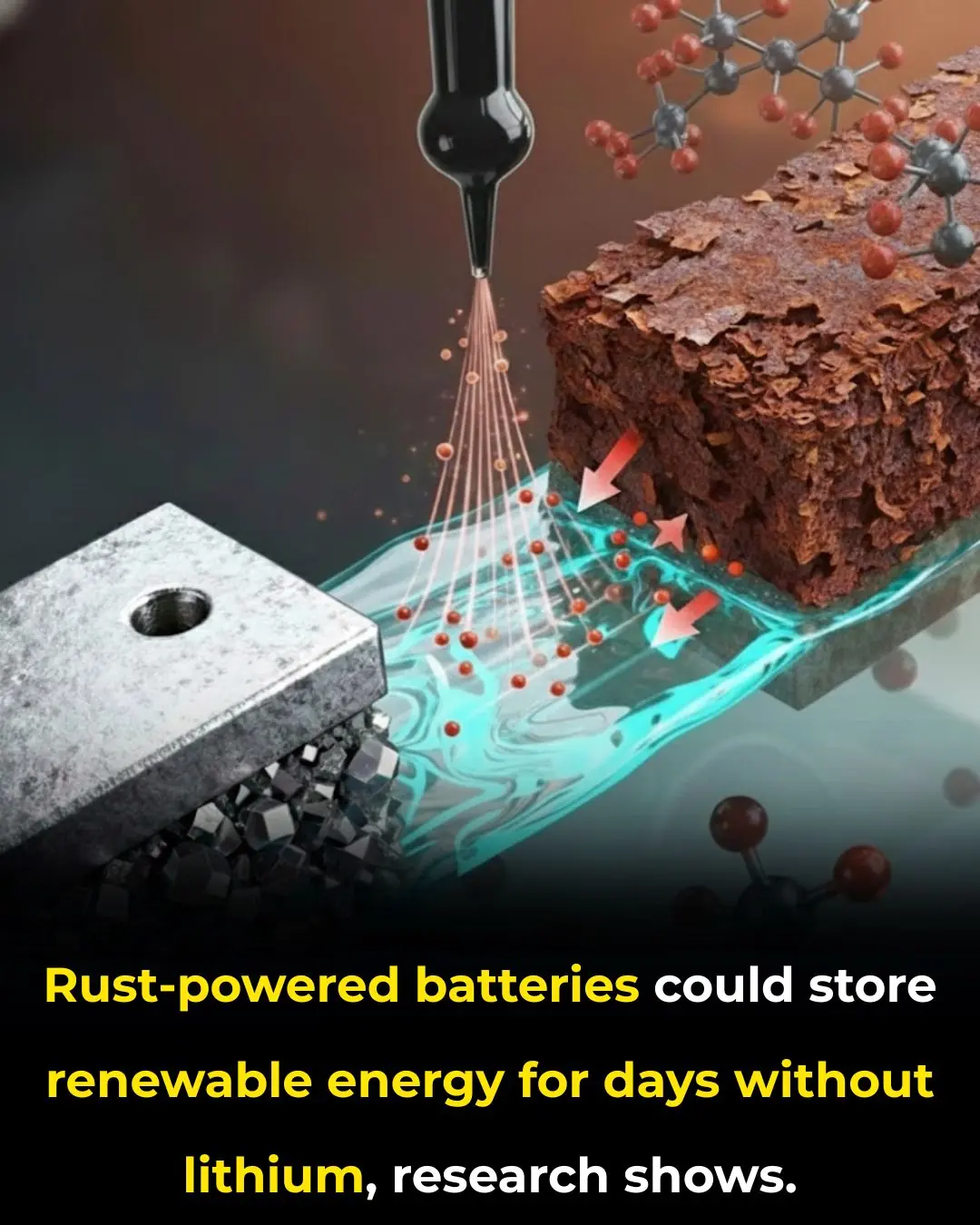
Rust-Powered Revolution: Iron-Air Batteries Could Unlock Affordable Long-Duration Energy Storage

Colombia’s Largest Tree Is So Big in Diameter, It Has Grown Pillars to Support Its Branches
News Post

6 Warning Signs of Kidney Failure Many People Often Ignore
Health 17/12/2025 13:30

Why You Shouldn’t Kill Wood Sorrel in Your Garden: 8 Compelling Reasons
Health 17/12/2025 13:30

Place a Piece of Ginger Under Your Pillow Before Sleeping: A Simple Tip Both Men and Women Should Know
Tips 17/12/2025 13:27

The Power of Clove Steam Inhalation (Respiratory Relief You Can Feel Immediately)
Health 17/12/2025 13:26

Stroke and Cerebral Infarction Prevention: Remember 3 Key Indicators, 1 Critical Disease, and 6 Warning Habits You Must Not Ignore
Health 17/12/2025 13:25
How Stan Larkin Lived 555 Days Without a Heart, Thanks to a Groundbreaking Artificial Heart
Facts 17/12/2025 12:20
Introducing NEO: The $20,000 Humanoid Robot That Will Revolutionize Your Home
Facts 17/12/2025 12:14
Michelin's Game-Changing Airless Tires: No Punctures, No Blowouts, Just Pure Innovation
Facts 17/12/2025 12:08
Experience the Ultimate 4,000-Mile Canadian Train Adventure for Just $558
Facts 17/12/2025 12:02
Is Intelligence Linked to Political Ideology? New Research Reveals Surprising Findings
Facts 17/12/2025 11:46
Shocking Rise in Cognitive Disabilities Among Young Adults – A Decade-Long Yale Study Reveals Startling Trend
Facts 17/12/2025 11:37
MIT's Groundbreaking mRNA Vaccine Technology Boosts Effectiveness 100 Times and Reduces Toxicity
Facts 17/12/2025 11:27

Blanching pork in boiling water might seem clean, but it actually absorbs more dirt: This is the correct way to do it.
Tips 17/12/2025 11:21

When buying loofah, which is tastier: dark green or light green? I've been shopping at the market for decades and still don't know this.
Tips 17/12/2025 11:20

Secrets to Growing Jasmine: Four Simple Steps for Year-Round Blooms, Hundreds of Flowers in Abundance
Tips 17/12/2025 11:18

Don't throw away rice water, keep it for these 6 "miracle" things, and save millions of dong every year.
Tips 17/12/2025 11:17
Leucine’s Hidden Power: How an Essential Amino Acid Boosts Mitochondrial Energy and Cellular Health
Facts 17/12/2025 10:57
Wildlife Populations Have Declined by 73% in the Last 50 Years, Scientists Warn
Facts 17/12/2025 10:46
Mariana Trench -The deepest location on Earth
Facts 17/12/2025 10:31