
Facts 17/12/2025 12:20
How Stan Larkin Lived 555 Days Without a Heart, Thanks to a Groundbreaking Artificial Heart
A Man Lived 555 Days Without a Heart: The Incredible Story of Stan Larkin
In a remarkable testament to both medical innovation and human perseverance, 25-year-old Stan Larkin from Michigan survived an astonishing 555 days without a human heart. His survival was made possible by a portable artificial heart that kept his blood circulating around his body, allowing him to live a life beyond the hospital's walls.
Stan’s story began when his heart began to fail, putting his life in grave danger. Doctors removed his failing heart and replaced it with a SynCardia Total Artificial Heart, a cutting-edge device designed to provide a temporary solution for patients waiting for a heart transplant. This mechanical heart, unlike traditional pacemakers or ventricular assist devices, fully took over the heart’s function, pumping blood continuously throughout his body. What made Stan’s case particularly remarkable was that he wasn’t bound to a hospital room — he was able to live a relatively normal life, even playing basketball and participating in other daily activities.
The artificial heart was powered by a 13.5-pound Freedom driver, a device that Stan wore in a backpack, which kept the mechanical heart functioning. The device, a significant innovation in heart failure treatment, allowed him to go about his daily life while he awaited a heart transplant. Stan’s ability to remain active, despite his heart condition, showcased the incredible potential of medical technology to support life outside of traditional hospital settings.
While living with an artificial heart was undoubtedly challenging, it marked a breakthrough in the field of heart failure treatment. For Stan, the artificial heart didn’t just keep him alive — it gave him the chance to live out his days with dignity and a sense of normalcy while waiting for a human heart. His doctors, including those at the University of Michigan, supported him throughout the process, helping him stay strong and healthy enough for a transplant.
Finally, in May 2016, after 555 days of living with the artificial heart, Stan received a successful heart transplant at the University of Michigan Health System. This milestone marked a stunning success in both medical technology and human resilience, proving the extraordinary potential of life-saving devices like the SynCardia Total Artificial Heart and the importance of organ donation. The transplant allowed him to regain a normal heart, and he was eventually able to return to a more typical life after undergoing a recovery period.
The story of Stan Larkin’s battle for survival is a profound reminder of the power of medical innovation and the resilience of the human spirit. It highlights not only the importance of technological advancements in saving lives but also the incredible impact that heart transplants and artificial heart technology can have in prolonging and improving the quality of life for patients facing life-threatening heart failure.
Looking forward, the future of heart support may not just involve beating hearts, but it may also include devices that hum to the rhythm of life. As artificial heart technology continues to improve, it may open up new possibilities for patients who are waiting for transplants or who cannot receive a donor heart. These technologies, which provide temporary life support, could become a key part of future medical treatments, ensuring that more lives can be saved in the critical period before organ donation or even improving outcomes for patients unable to get a transplant.
This innovation could lead to a future where artificial organs become not just a temporary solution but a permanent option for some patients. As technology progresses, the boundaries between what is considered "human" and what is artificially created may blur, offering new hope to those in need of life-saving treatments.
Sources:
-
SynCardia Systems — Official site for artificial heart technology.
-
The University of Michigan Health System — Medical Center's role in heart transplants.
-
The National Heart, Lung, and Blood Institute (NHLBI) — Overview of artificial heart systems.
News in the same category

Michelin's Game-Changing Airless Tires: No Punctures, No Blowouts, Just Pure Innovation

Experience the Ultimate 4,000-Mile Canadian Train Adventure for Just $558

Revolutionary mRNA Vaccine Shows Early Promise in Defeating Deadly Brain Cancer

Is Intelligence Linked to Political Ideology? New Research Reveals Surprising Findings

Shocking Rise in Cognitive Disabilities Among Young Adults – A Decade-Long Yale Study Reveals Startling Trend
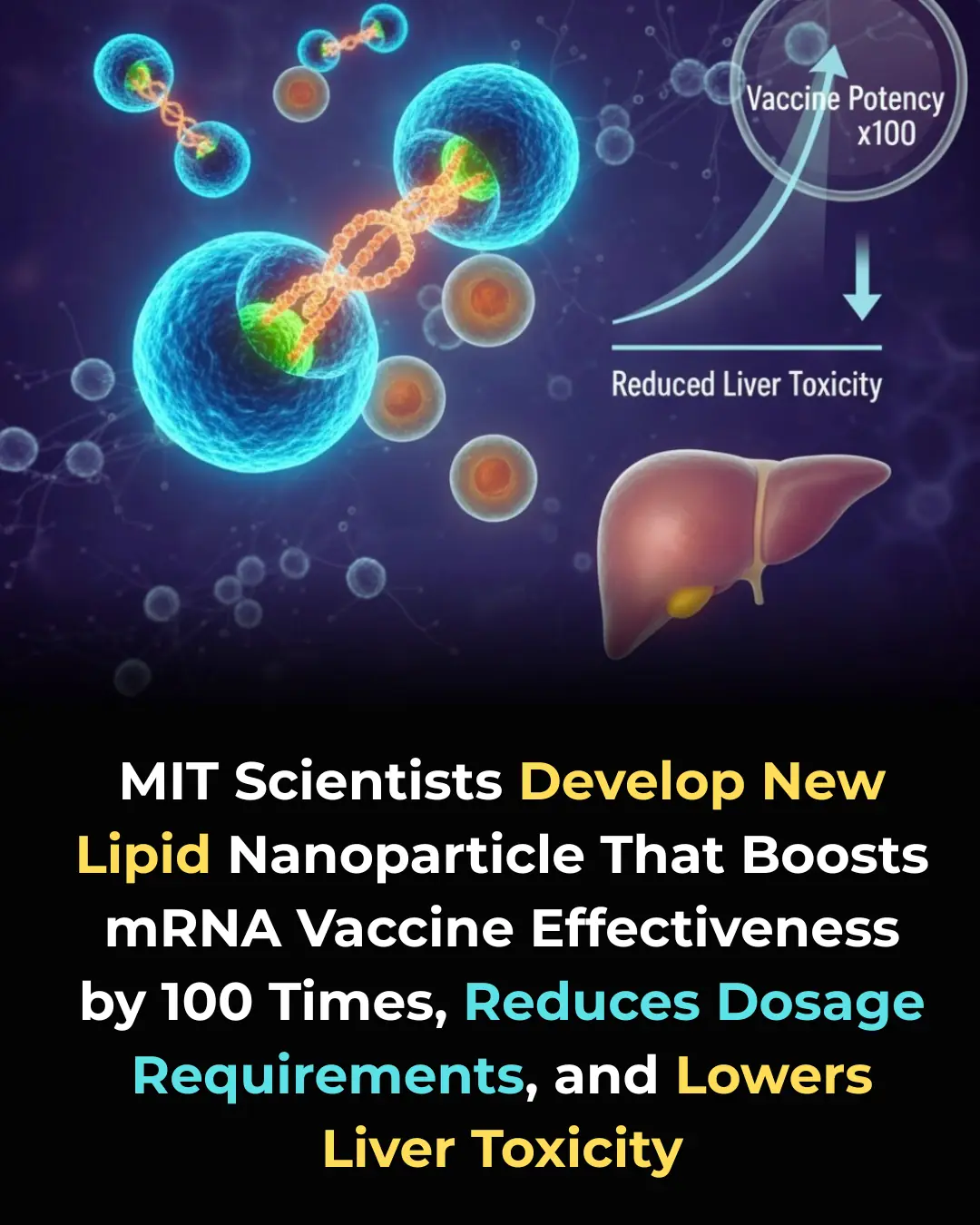
MIT's Groundbreaking mRNA Vaccine Technology Boosts Effectiveness 100 Times and Reduces Toxicity
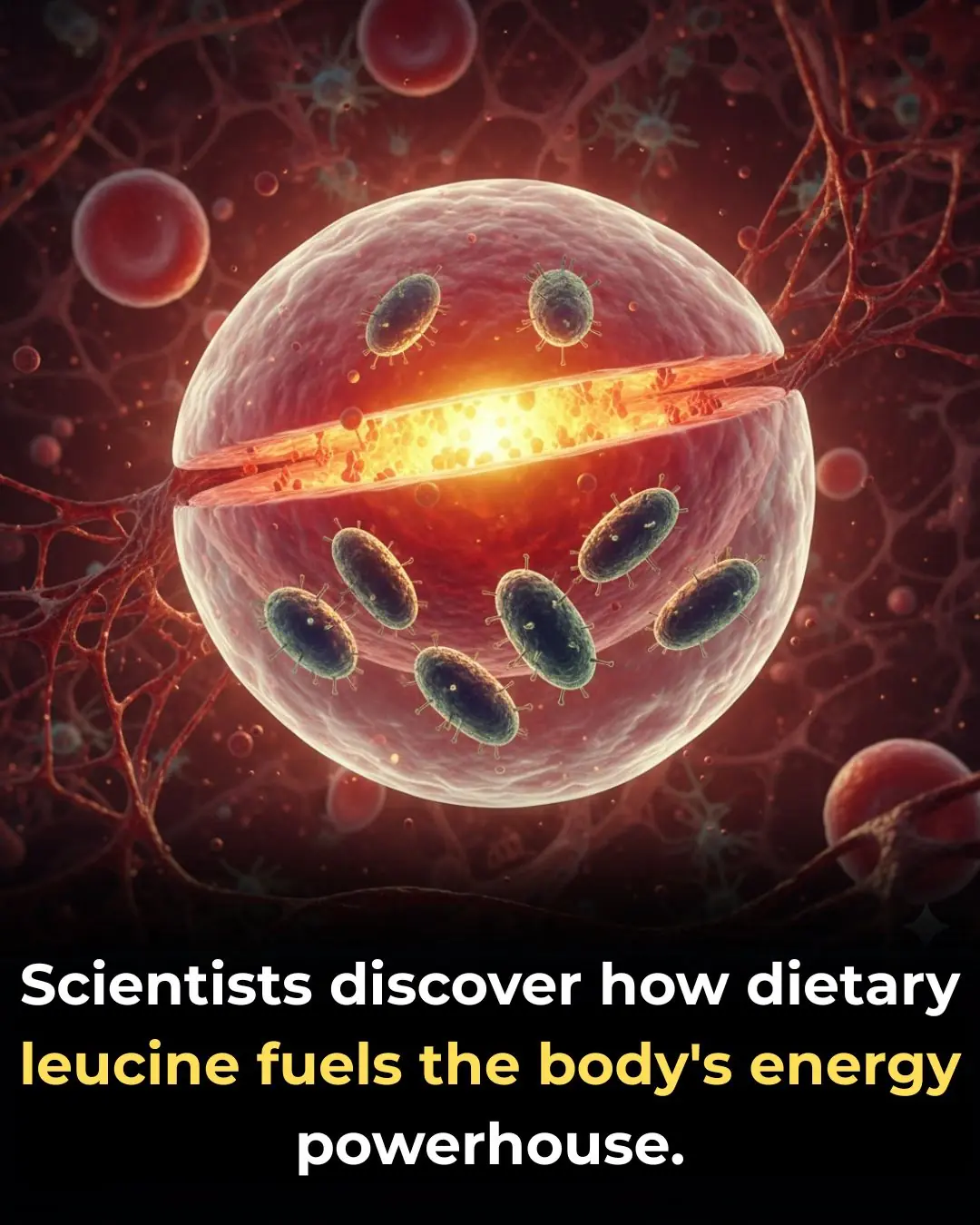
Leucine’s Hidden Power: How an Essential Amino Acid Boosts Mitochondrial Energy and Cellular Health

Wildlife Populations Have Declined by 73% in the Last 50 Years, Scientists Warn

Mariana Trench -The deepest location on Earth
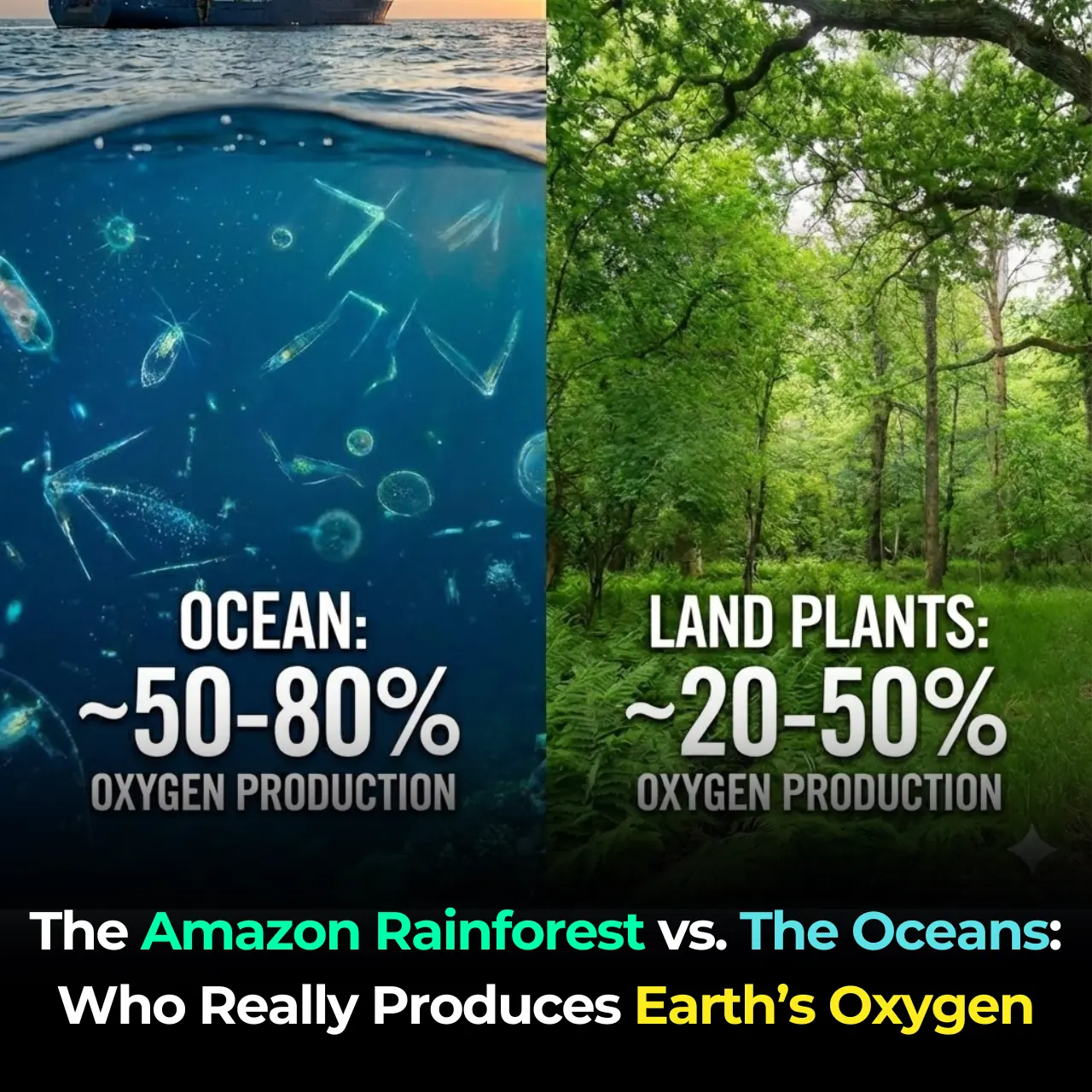
The Amazon Rainforest vs. The Oceans: Who Really Produces Earth’s Oxygen?
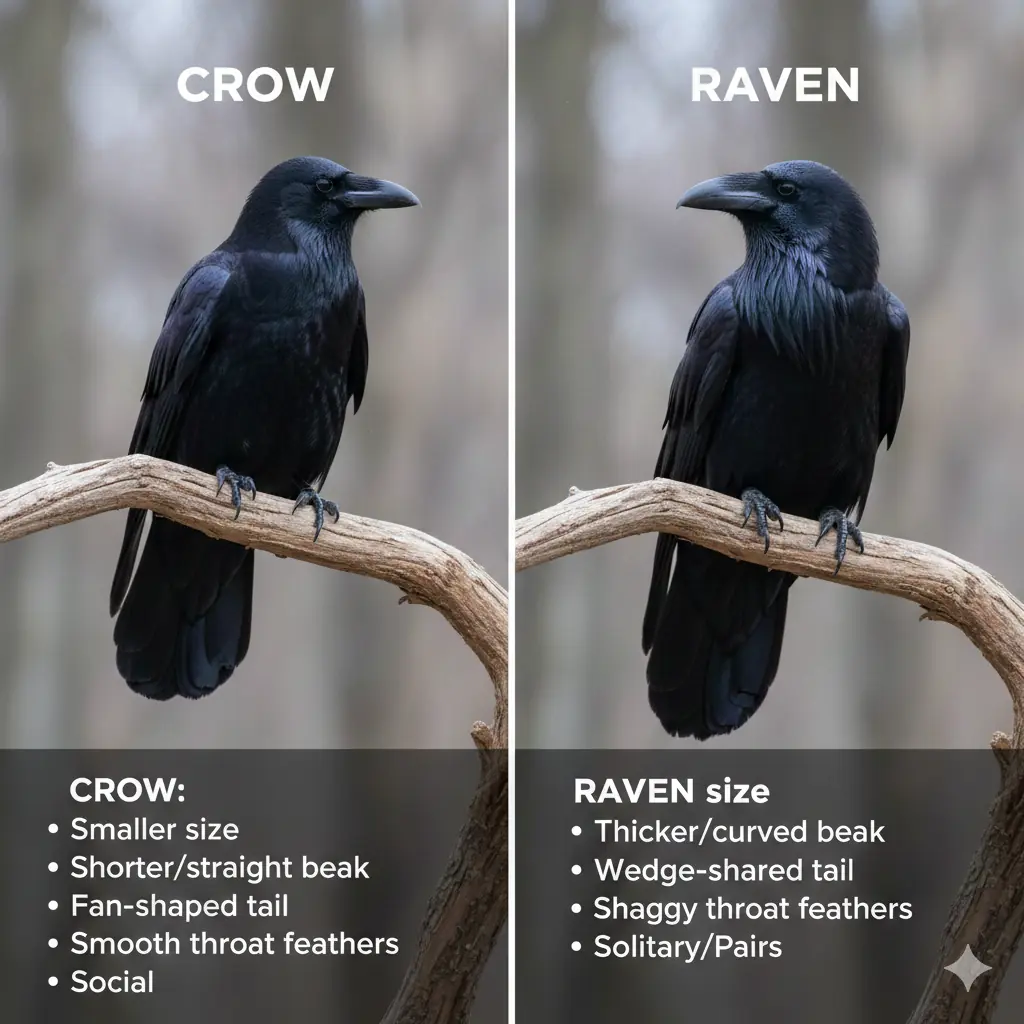
Scientists Find Crows Are Capable of Recursion — A Cognitive Ability Thought to Be Unique to Humans and Other Primates

Meet one of France’s last on-site lighthouse keepers

British Father and Son Become First to Swim Through Point Nemo, the Farthest Point From Land on Earth

10 Reasons People Treat You Poorly and How to Protect Yourself
Erythritol Under Scrutiny: Could the Popular Sugar Substitute Weaken Your Brain’s Protective Barrier?
Rust-Powered Revolution: Iron-Air Batteries Could Unlock Affordable Long-Duration Energy Storage

Colombia’s Largest Tree Is So Big in Diameter, It Has Grown Pillars to Support Its Branches
News Post
Introducing NEO: The $20,000 Humanoid Robot That Will Revolutionize Your Home
Facts 17/12/2025 12:14
Michelin's Game-Changing Airless Tires: No Punctures, No Blowouts, Just Pure Innovation
Facts 17/12/2025 12:08
Experience the Ultimate 4,000-Mile Canadian Train Adventure for Just $558
Facts 17/12/2025 12:02
Revolutionary mRNA Vaccine Shows Early Promise in Defeating Deadly Brain Cancer
Facts 17/12/2025 11:55
Is Intelligence Linked to Political Ideology? New Research Reveals Surprising Findings
Facts 17/12/2025 11:46
Shocking Rise in Cognitive Disabilities Among Young Adults – A Decade-Long Yale Study Reveals Startling Trend
Facts 17/12/2025 11:37
MIT's Groundbreaking mRNA Vaccine Technology Boosts Effectiveness 100 Times and Reduces Toxicity
Facts 17/12/2025 11:27

Blanching pork in boiling water might seem clean, but it actually absorbs more dirt: This is the correct way to do it.
Tips 17/12/2025 11:21

When buying loofah, which is tastier: dark green or light green? I've been shopping at the market for decades and still don't know this.
Tips 17/12/2025 11:20

Secrets to Growing Jasmine: Four Simple Steps for Year-Round Blooms, Hundreds of Flowers in Abundance
Tips 17/12/2025 11:18

Don't throw away rice water, keep it for these 6 "miracle" things, and save millions of dong every year.
Tips 17/12/2025 11:17
Leucine’s Hidden Power: How an Essential Amino Acid Boosts Mitochondrial Energy and Cellular Health
Facts 17/12/2025 10:57
Wildlife Populations Have Declined by 73% in the Last 50 Years, Scientists Warn
Facts 17/12/2025 10:46
Mariana Trench -The deepest location on Earth
Facts 17/12/2025 10:31
The Amazon Rainforest vs. The Oceans: Who Really Produces Earth’s Oxygen?
Facts 17/12/2025 10:19

The Walking Trees of Ecuador: They Reportedly Move Up to 20 Meters Per Year
Facts 17/12/2025 10:08
Scientists Find Crows Are Capable of Recursion — A Cognitive Ability Thought to Be Unique to Humans and Other Primates
Facts 17/12/2025 10:00
Meet one of France’s last on-site lighthouse keepers
Facts 17/12/2025 09:54
British Father and Son Become First to Swim Through Point Nemo, the Farthest Point From Land on Earth
Facts 17/12/2025 09:41