Psychologists Reveal 9 Activities Associated with High Cognitive Ability
Life stories 16/12/2025 13:49
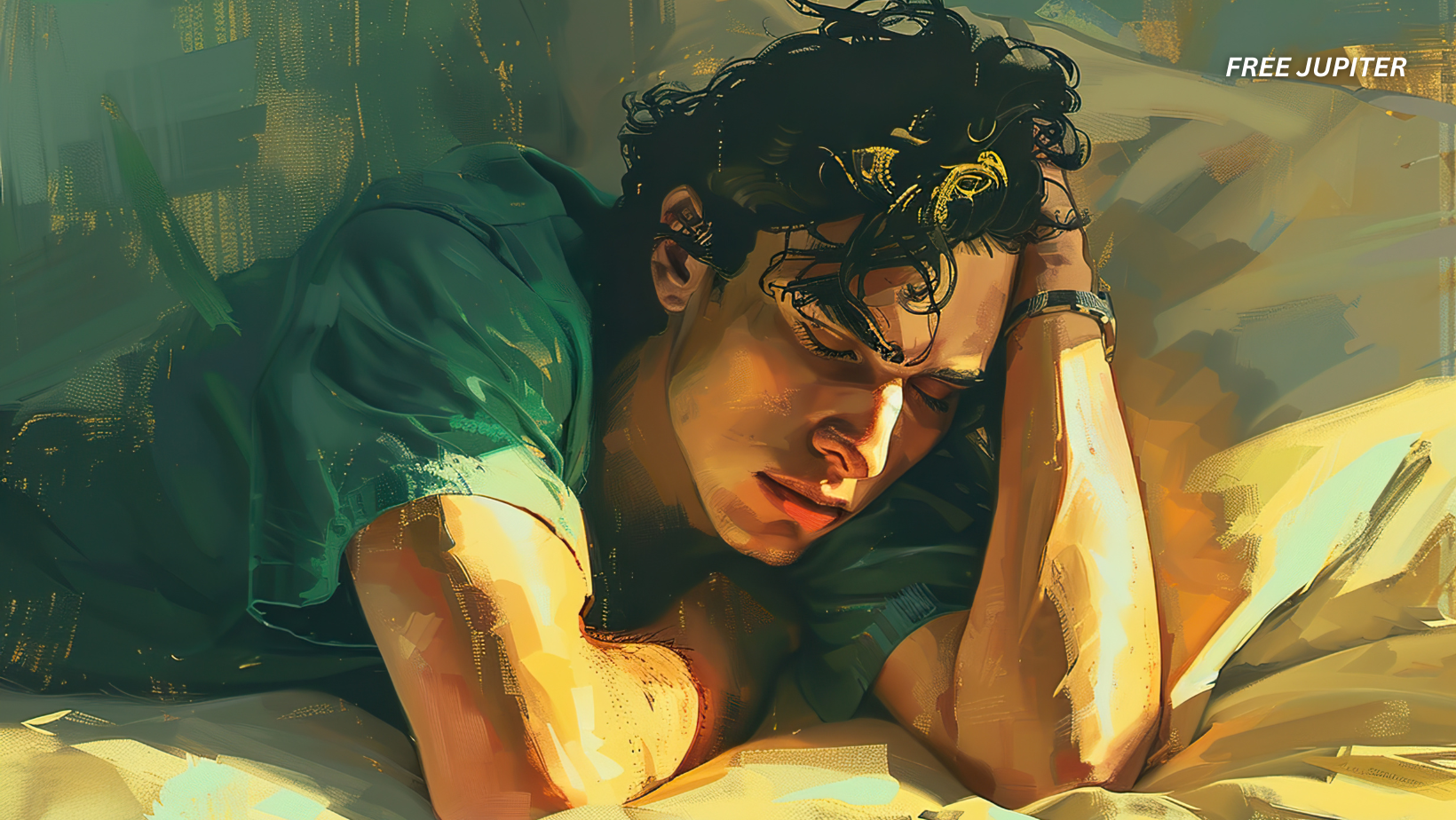
In nearly every social circle — whether it’s a family, a workplace, a group of friends, or even a loose network of acquaintances — there tends to be one person who naturally becomes the emotional backbone. They are the steady presence others rely on in moments of stress, the calm voice people seek when life feels overwhelming, and the listener who absorbs chaos without complaint.
They don’t ask for this role. It simply happens. Their emotional stability, reliability, and composure make others feel safe. Over time, people begin to assume that this strength is limitless — that it doesn’t require maintenance, rest, or care.
But the people who appear the strongest are often carrying the greatest unseen burden.
Because they rarely fall apart, others forget they might need support too. Because they stay composed, their struggles become invisible. Their strength, consistently displayed, slowly fades into the background — unnoticed, unacknowledged, and unsupported.
And while these dependable individuals rarely collapse in obvious ways, exhaustion eventually shows itself in subtle patterns that are easy to miss unless someone is paying close attention.
Here are nine quiet signs that the person everyone depends on may be far more emotionally drained than they let on.
People who are used to being the support system often minimize their own experiences. When asked how they’re doing, their answers are brief, neutral, and non-revealing:
“I’m okay.”
“Nothing much.”
“Everything’s fine.”
This isn’t secrecy — it’s conditioning. They’ve grown accustomed to being the one who listens, not the one who shares. Their challenges feel less important, or they fear that opening up might burden others.
Over time, this habit creates a quiet loneliness: they are deeply connected to others, yet emotionally unseen themselves.
When a consistently strong person frequently says they’re tired, it often signals emotional exhaustion rather than physical fatigue. It’s the weariness that comes from always being dependable, always holding things together, always being “fine.”
You may notice small signs:
longer pauses in conversation
distant or unfocused expressions
heavy sighs they don’t even realize they’re releasing
This is not the kind of tiredness rest alone can fix. It’s depletion from being constantly needed.
Self-reliance is often a strength — until it becomes armor.
When emotionally drained, strong people double down on independence. They refuse help instinctively, even when they need it most:
“I’ll handle it.”
“It’s okay, don’t worry.”
“It’s easier if I do it myself.”
Accepting help makes them feel exposed. Vulnerability feels unsafe when they’re already running low on emotional energy. Ironically, the more overwhelmed they are, the less likely they are to ask for support.
People who rarely set boundaries often reach burnout quietly. One day, the person who always answered calls starts replying late. Messages go unread. Invitations are declined. Plans are canceled.
This withdrawal isn’t rejection. It’s survival.
Their nervous system is trying to protect what little energy remains. When someone who is usually present begins to disappear, it’s often because they have nothing left to give.
Humor becomes a shield. Instead of admitting pain or overwhelm, they turn their struggles into jokes:
laughing off serious challenges
minimizing frustration
making light of things that clearly affect them
This isn’t dishonesty — it’s habit. Making things sound humorous feels safer than admitting vulnerability. If it’s funny, no one has to worry. Including them.
Everyone has rituals that restore balance — hobbies, creativity, routines, or simple pleasures. When a strong person is emotionally drained, those outlets begin to fade:
hobbies feel like obligations
conversations feel exhausting
creativity disappears
even joy feels distant
They haven’t lost interest in life. They’ve lost the capacity to feel restored by it. When pleasure starts requiring effort, it’s a quiet warning sign.
People who are highly attuned to others often lose touch with themselves. When asked how they’re doing, they may hesitate, deflect, or genuinely not know what to say.
This isn’t emotional numbness — it’s emotional overload.
Their feelings have been deprioritized for so long that identifying them feels unfamiliar. Expressing themselves feels like speaking a language they haven’t practiced in years.
When emotional exhaustion goes unexpressed, the body often carries the message instead:
chronic tension or headaches
poor or restless sleep
irritability
digestive issues
a persistent sense of heaviness
The body whispers before it screams. Physical symptoms often appear long before emotional ones are acknowledged.
This is one of the most overlooked signs.
Strong people save their breakdowns for moments no one sees — late at night, in the shower, in the car, or in quiet pauses between responsibilities. They may not cry openly, but they experience micro-breakdowns:
zoning out
feeling overwhelmed by simple choices
needing stillness suddenly
feeling on edge without knowing why
These moments reveal the truth beneath their calm exterior: they’ve been strong for so long, they don’t know how to rest.
Those who hold everything together often carry a hidden fear — that if they stop being strong, everything will fall apart. They worry about disappointing others, about becoming a burden, about no longer being needed.
And because they function so well under pressure, most people never notice the strain beneath their steadiness.
But no one is meant to carry everything alone.
True strength isn’t endless endurance. It’s knowing when to soften, when to pause, and when to let someone else help.
You deserve care just as much as you give it.
You deserve rest without guilt.
You deserve to be checked on.
You deserve support without having to earn it through strength.
You are not a machine. You are allowed to be human.
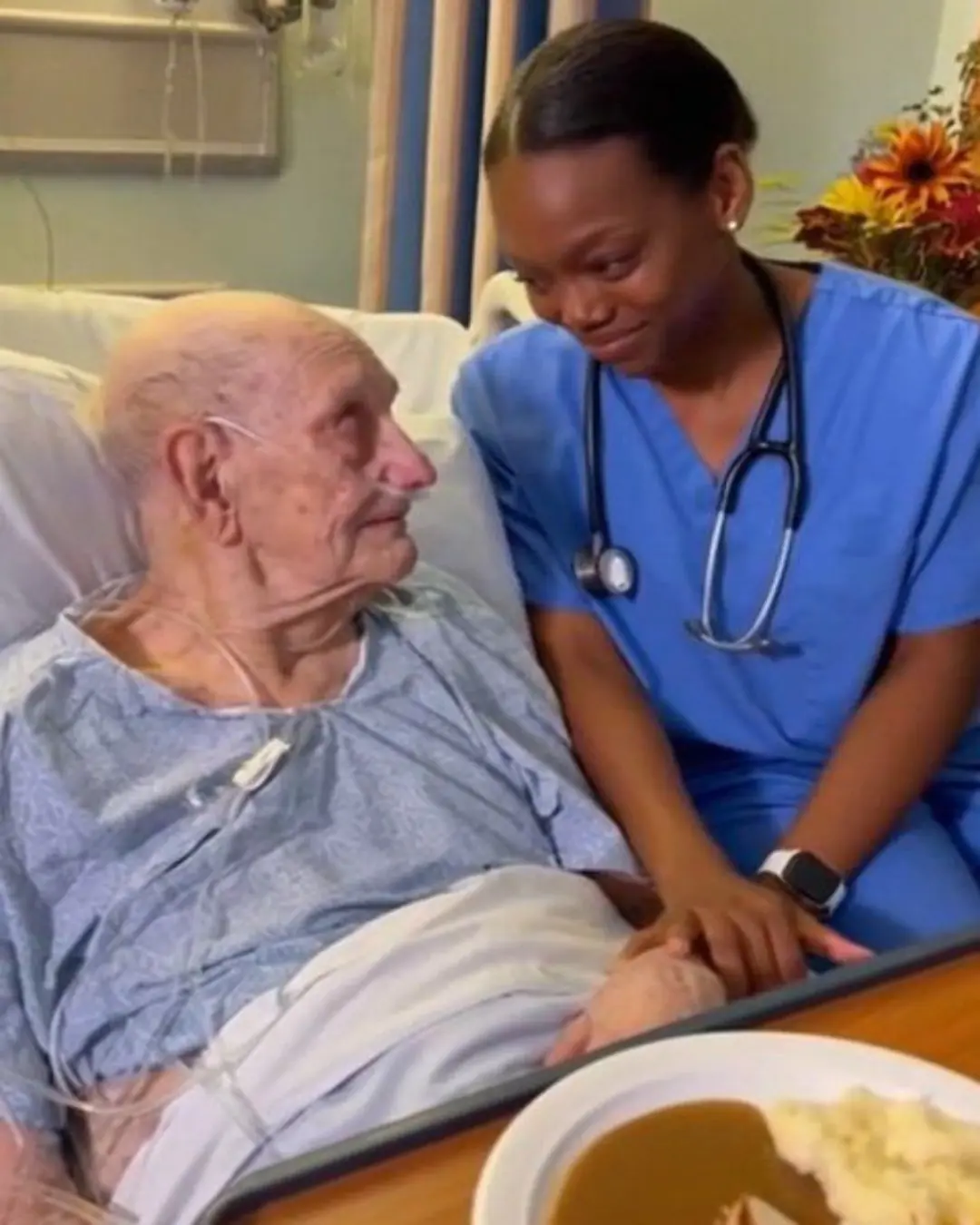
Reach out — gently. Ask how they are, and listen beyond the automatic “I’m fine.” Offer help without waiting for them to ask. Sometimes the strongest people go the longest without being cared for simply because no one thinks they need it.
Be the person who notices what others overlook.
Sometimes, even the strongest among us are quietly waiting for someone to ask:
“How are you — really?”