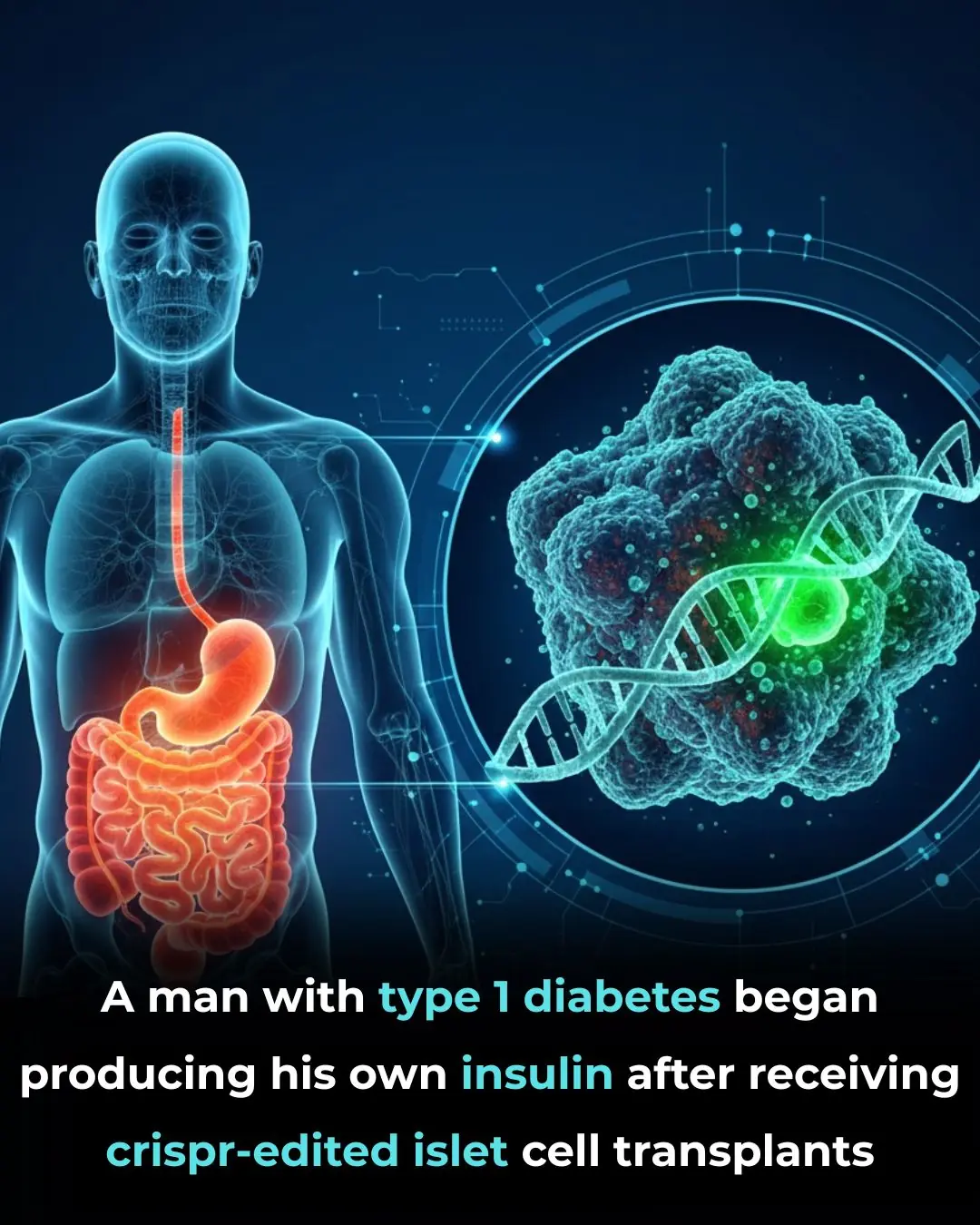
CRISPR-Edited Islet Cell Transplantation: A New Therapeutic Horizon for Type 1 Diabetes
Health 31/12/2025 14:05
The human immune system relies heavily on mucosal defenses to protect the body from pathogens entering through the gastrointestinal tract, oral cavity, and respiratory system. One of the most important components of this frontline defense is secretory immunoglobulin A (sIgA), an antibody that neutralizes microbes and toxins at mucosal surfaces before they can invade deeper tissues. Declines in sIgA are associated with increased susceptibility to infections, particularly in individuals under chronic stress, aging populations, or those with weakened immune resilience. Against this background, a 2024 Japanese clinical study published in Bioscience, Biotechnology, and Biochemistry investigated whether fermenting royal jelly could meaningfully enhance human mucosal immune function.
Royal jelly is a secretion produced by worker bees and is best known for its role in the development of queen bees. It contains a unique fatty acid, 10-hydroxy-2-decenoic acid (10-HDA), which has been shown in experimental studies to possess immunomodulatory, antimicrobial, and anti-inflammatory properties. However, the concentration of 10-HDA in conventional royal jelly is relatively limited, and its bioactivity may be constrained by digestion and absorption. To address this, the Japanese research team developed a novel fermentation process using a specific lactic acid bacterium isolated from queen bees themselves. This fermentation step increased the concentration of 10-HDA to nearly five times its normal level, creating a biologically enriched form of royal jelly.
The central aim of the study was to determine whether this fermented, 10-HDA–enriched royal jelly could improve mucosal immunity in humans, particularly in individuals with objectively low immune defense at barrier surfaces. The researchers focused on adults with low baseline salivary sIgA levels, a well-established marker of weakened mucosal immune protection. Participants consumed the fermented royal jelly under controlled conditions, and multiple immune parameters were assessed before and after intake.
The results demonstrated a clear and statistically significant increase in salivary sIgA levels following consumption of the fermented royal jelly. This finding is clinically meaningful, as sIgA plays a critical role in preventing pathogens from adhering to and penetrating mucosal tissues. In addition to increased antibody levels, the study reported improved immune cell maturation and enhanced phagocytic activity—the ability of immune cells to engulf and destroy pathogens. These changes indicate that the intervention did not merely stimulate antibody secretion, but supported broader immune competence at the cellular level.
Importantly, the researchers linked these effects directly to the increased 10-HDA content achieved through fermentation. Mechanistic analyses suggested that 10-HDA influences immune signaling pathways involved in mucosal antibody production and immune-cell differentiation. This supports a causal interpretation in which fermentation-enhanced bioactive compounds, rather than royal jelly alone, drove the observed immune benefits. Such mechanistic grounding strengthens the biological plausibility of the findings and distinguishes them from nonspecific immune “boosting” claims.
Safety and tolerability were also carefully evaluated. The fermented royal jelly was reported to be well tolerated, with no significant adverse effects observed during the study period. This is a critical consideration for nutritional interventions intended for regular use, particularly those targeting immune function, where overstimulation could theoretically pose risks. The favorable safety profile supports the potential of fermented royal jelly as a practical dietary strategy rather than a pharmacological intervention.
While the study represents a relatively focused clinical investigation, its implications are noteworthy. Enhancing mucosal immunity through diet-based approaches could have broad relevance for reducing infection risk, supporting oral and gut health, and improving immune resilience in vulnerable populations. The use of fermentation to amplify naturally occurring bioactive compounds also highlights a promising strategy for improving the functional efficacy of traditional natural products.
In conclusion, the 2024 human clinical study published in Bioscience, Biotechnology, and Biochemistry provides evidence that fermenting royal jelly to increase its 10-HDA content can significantly enhance mucosal immune function. By raising salivary sIgA levels, promoting immune cell maturation, and improving pathogen-engulfing activity—while remaining safe and well tolerated—the fermented royal jelly demonstrated potential as a nutritional approach to strengthening immune defenses at the body’s barrier surfaces (Bioscience, Biotechnology, and Biochemistry, 2024). Further larger-scale trials will be valuable to confirm these findings and explore long-term clinical benefits.