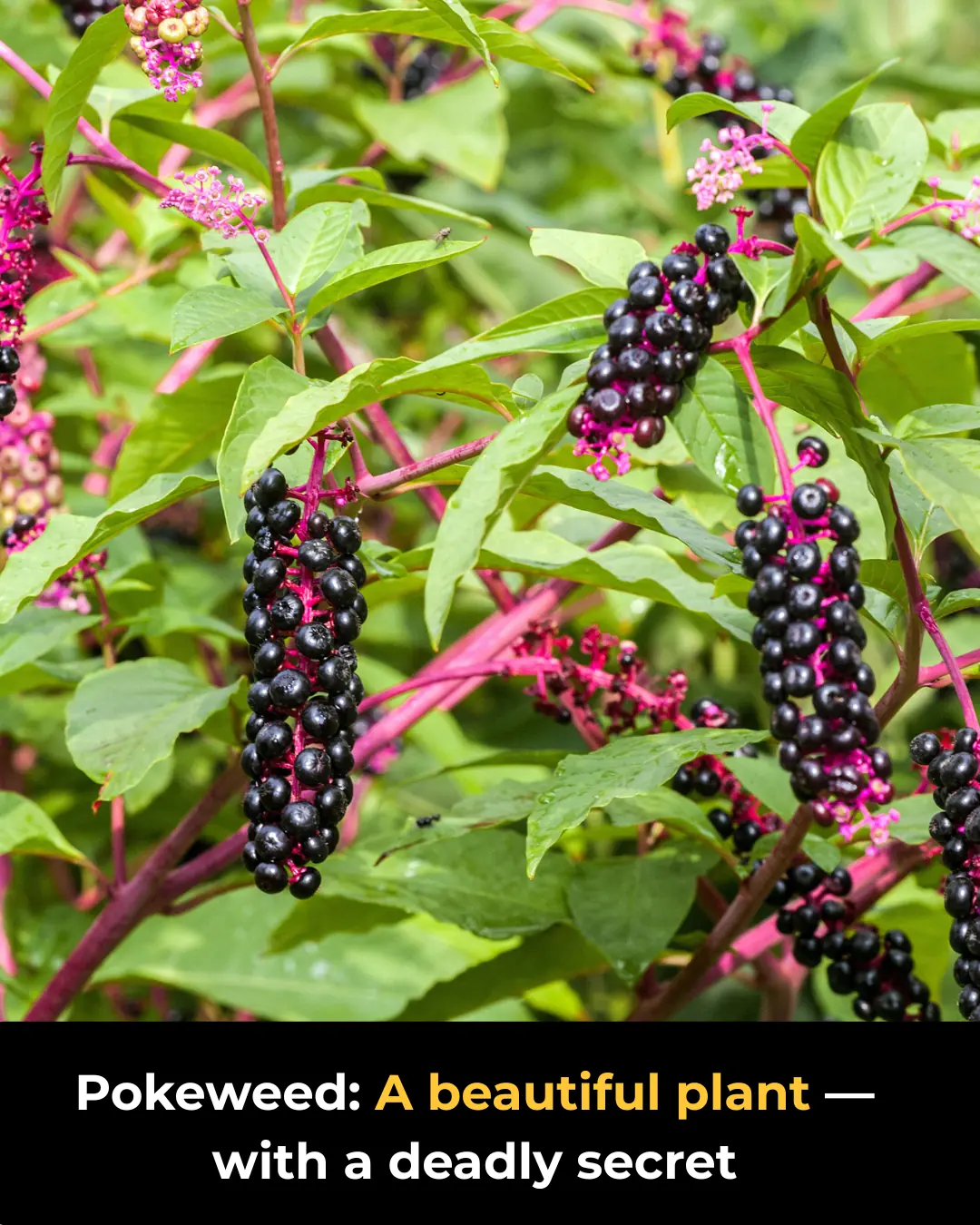
Pokeweed (Phytolacca americana): Why You Should Keep Your Distance from This Toxic Plant
Beatuty Tips 17/12/2025 20:51
If you’re searching for a reliable, flavorful way to preserve food without relying on a freezer, this traditional method of canning meat with rice and vegetables is an excellent solution. Using simple ingredients and straightforward steps, you can create nourishing, ready-to-eat meals sealed in jars that remain safe and delicious for months when stored properly.
This method has been used for generations, especially in households that value self-sufficiency, emergency preparedness, and time-saving meal planning. Whether you’re stocking your pantry, preparing for camping trips, or simply reducing daily cooking stress, these jars offer comfort and convenience in every spoonful.
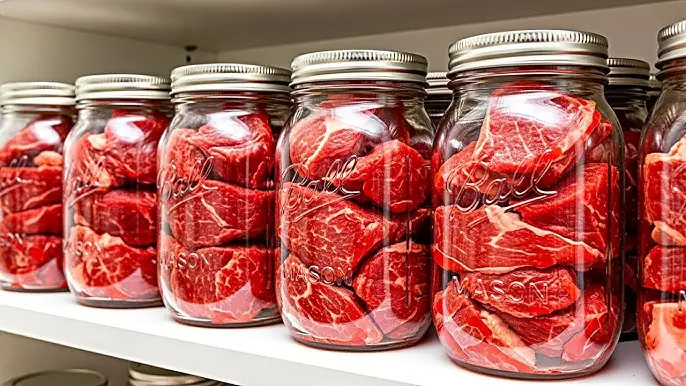
1.3 kg beef neck (pork shoulder or another fatty cut also works well)
2 medium onions
2 medium carrots
800 g rice (short-grain or medium-grain is ideal)
Salt – about 1 teaspoon per kilogram of meat
Black pepper – to taste
1 teaspoon dry spice mix (optional but recommended)
1 teaspoon sweet ground paprika
Vegetable oil – for frying
Boiling water
9% vinegar – 1 tablespoon per jar
0.7-liter glass jars with lids
Cloth or towel for the bottom of the pot
Choose a fatty cut such as beef neck to ensure tenderness after long cooking. Cut the meat into small, walnut-sized chunks so they fit neatly into jars and cook evenly.
Heat vegetable oil in a large pan. Add the meat and fry until lightly browned. This step seals in juices and builds a deep, savory flavor that carries through the entire dish.
Finely chop the onions and add them to the pan. Cook until soft and lightly golden, stirring to prevent sticking.
Dice the carrots into small cubes and stir them into the mixture. Season with salt, pepper, paprika, and the dry spice mix. Cook until the vegetables soften and the mixture becomes fragrant and well-coated.
Wash the rice thoroughly until the water runs clear. This removes excess starch and ensures the grains remain separate during long cooking.
In each sterilized jar, layer the ingredients carefully:
3 tablespoons of rice
A generous spoonful of meat mixture
Another layer of rice
More meat mixture
Finish with rice, leaving about two fingers of space at the top
This layering allows even cooking and a balanced texture.
Pour boiling water into each jar until all ingredients are fully submerged. Add 1 tablespoon of vinegar per jar to enhance preservation and flavor.
Clean jar rims thoroughly and seal with new, undamaged lids to ensure a proper vacuum seal.
Place a cloth or towel at the bottom of a large pot. Arrange the jars inside and fill the pot with hot water up to the lid level.
Bring the water to a boil, then reduce heat and simmer for 4 hours. Check water levels periodically and top up if needed. This long cooking process tenderizes the meat and stabilizes the contents.
After cooking, allow the jars to cool slowly. Once cooled:
Check that each lid has sealed properly (the center should be indented).
Refrigerate any unsealed jars and consume within a few days.
Store sealed jars in a cool, dark place for up to 12 months or longer.
When ready to eat:
Reheat directly in a pan or microwave.
Serve with fresh vegetables or pickles.
Ideal for camping, quick dinners, or emergency meals.
Salt and Vinegar create an environment that discourages harmful bacteria.
Fat and liquid released during cooking form a natural seal and enhance flavor.
Extended boiling time mimics pressure cooking, making the food shelf-stable without special equipment.
This method preserves food naturally, without chemicals or artificial preservatives, while delivering rich taste and reliable nutrition.
Always follow proper sterilization and storage guidelines when canning food at home. If a jar shows signs of spoilage or fails to seal, discard it immediately.