If you drink cucumber water every morning, this is what happens to your body
Tips 28/12/2025 22:59
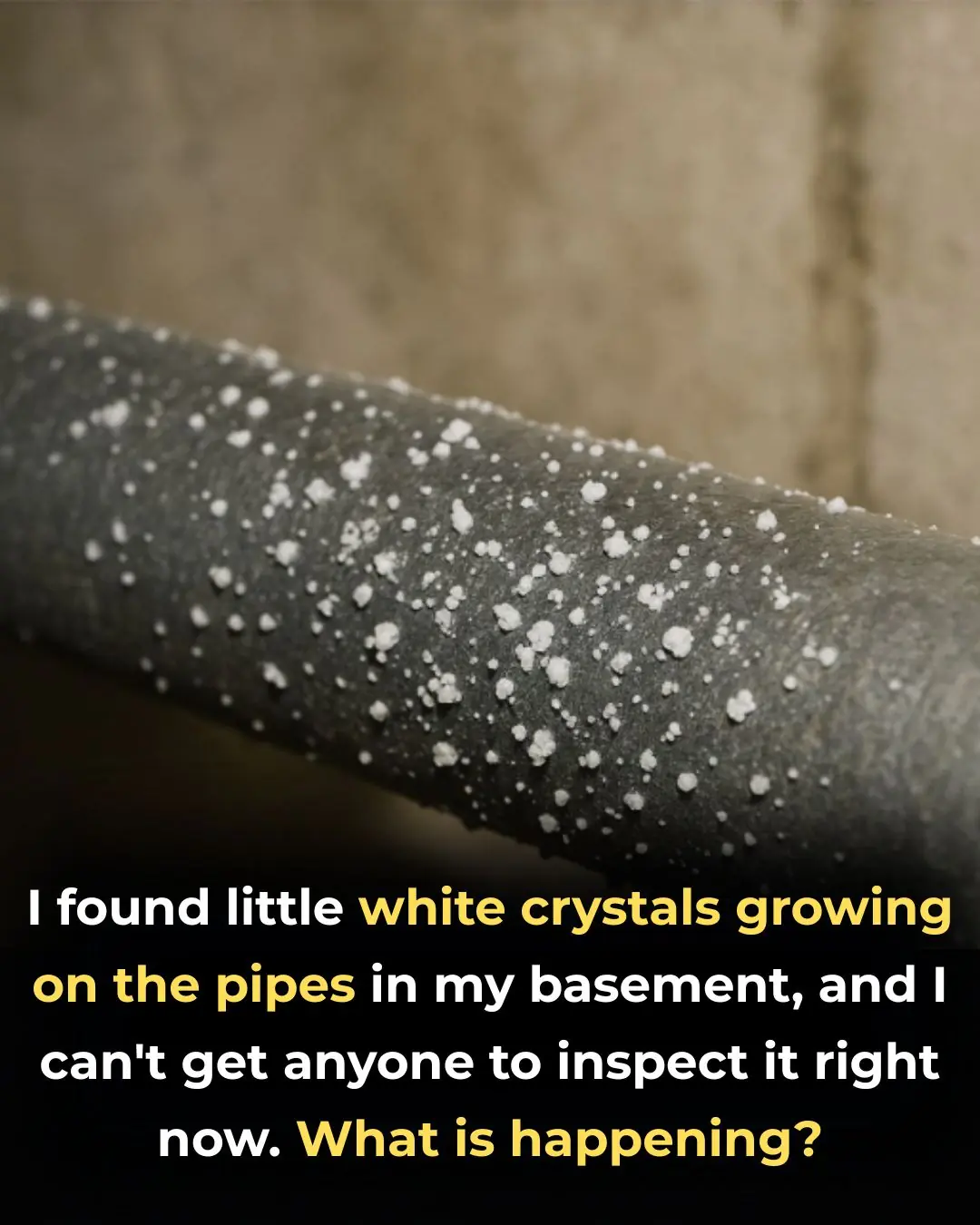
Finding small white crystals forming on the pipes or walls in your basement can be unsettling—especially when you’re unsure whether they signal a serious problem. While these chalky or crystalline deposits may look alarming, they often have a straightforward explanation. Still, they should never be ignored.
These mysterious white formations are usually a sign of moisture-related mineral buildup, commonly referred to as efflorescence. Understanding what causes them, how to distinguish them from more dangerous substances, and how to manage the underlying moisture can help you protect both your home and your health.
In most cases, these white crystals are efflorescence, a natural process that occurs when water moves through porous building materials and carries dissolved salts to the surface. As the water evaporates, the minerals are left behind, forming a white, powdery, or crystalline residue.
The minerals involved are typically calcium carbonate, sodium sulfate, or potassium nitrate. Efflorescence is especially common in basements because they are below ground level and exposed to higher humidity and groundwater pressure.
While efflorescence itself is not dangerous, it is an important warning sign that moisture is present where it shouldn’t be.
Basements provide ideal conditions for efflorescence due to a combination of moisture and mineral-rich materials. Concrete, masonry, and mortar all contain soluble salts. When water enters through foundation walls, floors, or small cracks, it dissolves these salts and transports them to the surface.
Pipes can also become focal points for efflorescence. Temperature differences between cold water pipes and warm air can cause condensation, creating persistent dampness. Over time, this moisture allows mineral deposits to crystallize on pipe surfaces.
Poor drainage, inadequate waterproofing, clogged gutters, or seasonal weather changes can all worsen the problem.
White buildup is often mistaken for mold, but there are clear differences:
Efflorescence is dry, chalky, and crumbly
Mold is typically fuzzy or slimy and may appear green, black, gray, or white
Efflorescence dissolves in water; mold does not
A simple test is to wipe the substance with a damp cloth. If it dissolves and disappears, it is almost certainly efflorescence.
Asbestos, another concern in older homes, looks fibrous rather than powdery and does not dissolve in water. If you suspect asbestos insulation or pipe wrapping, do not disturb it and seek professional testing immediately.
Efflorescence often points to ongoing moisture issues, such as:
Small plumbing leaks
Condensation on pipes
Foundation seepage
Inadequate vapor barriers
Poor exterior drainage
Even a slow, unnoticed leak can provide enough moisture for minerals to accumulate over time. Left unresolved, these conditions can eventually lead to corrosion, mold growth, or structural deterioration.
Although efflorescence itself is harmless, it can be a red flag for more serious concerns if it appears rapidly or extensively. Warning signs include:
Increasing amounts of white residue over short periods
Damp or wet basement walls or floors
Visible cracks in foundation walls
Musty odors or signs of mold
In these cases, the crystals are a symptom of a deeper moisture or structural issue that needs attention.
While waiting for professional help, you can perform a few simple, safe checks:
Water test: Spray a small amount of water on the crystals. If they dissolve, it’s efflorescence.
Tape test: Press clear tape against the residue; powdery residue supports efflorescence.
Moisture test: Tape aluminum foil to a basement wall or floor for 24 hours. Moisture behind the foil indicates seepage.
These tests won’t replace a professional inspection, but they can give you valuable insight.
Online advice often recommends vinegar or baking soda to remove white buildup—and in moderation, these methods can help.
Vinegar dissolves mineral salts effectively but should be diluted and used cautiously on metal or stone surfaces
Baking soda acts as a mild abrasive and can help remove surface residue
For heavy buildup, masonry-specific efflorescence cleaners may work better. Cleaning alone, however, will not prevent the crystals from returning unless moisture is controlled.
To clean efflorescence properly:
Start by dry brushing with a stiff nylon brush
Rinse with water or a mild acidic solution
Wear gloves and eye protection
Avoid wire brushes on metal pipes to prevent corrosion
Always ensure good ventilation when cleaning basement areas.
Long-term prevention depends on moisture control. Effective strategies include:
Using a dehumidifier to keep humidity below 60%
Improving basement ventilation
Sealing foundation cracks
Waterproofing basement walls and floors
Extending downspouts and improving exterior drainage
Addressing moisture at its source is the only way to stop efflorescence permanently.
Efflorescence itself does not pose a health risk, but the damp conditions that cause it can encourage mold growth. Mold can worsen indoor air quality and trigger respiratory symptoms, particularly in people with allergies or asthma.
If you notice persistent odors, visible mold, or respiratory irritation, it’s time to act quickly.
If you suspect a hidden plumbing leak, foundation failure, or ongoing water intrusion, professional help is essential. Delaying repairs can lead to costly damage and compromise your home’s structural integrity.
Even when appointments are hard to schedule, addressing moisture problems early can save significant time, money, and stress in the long run.