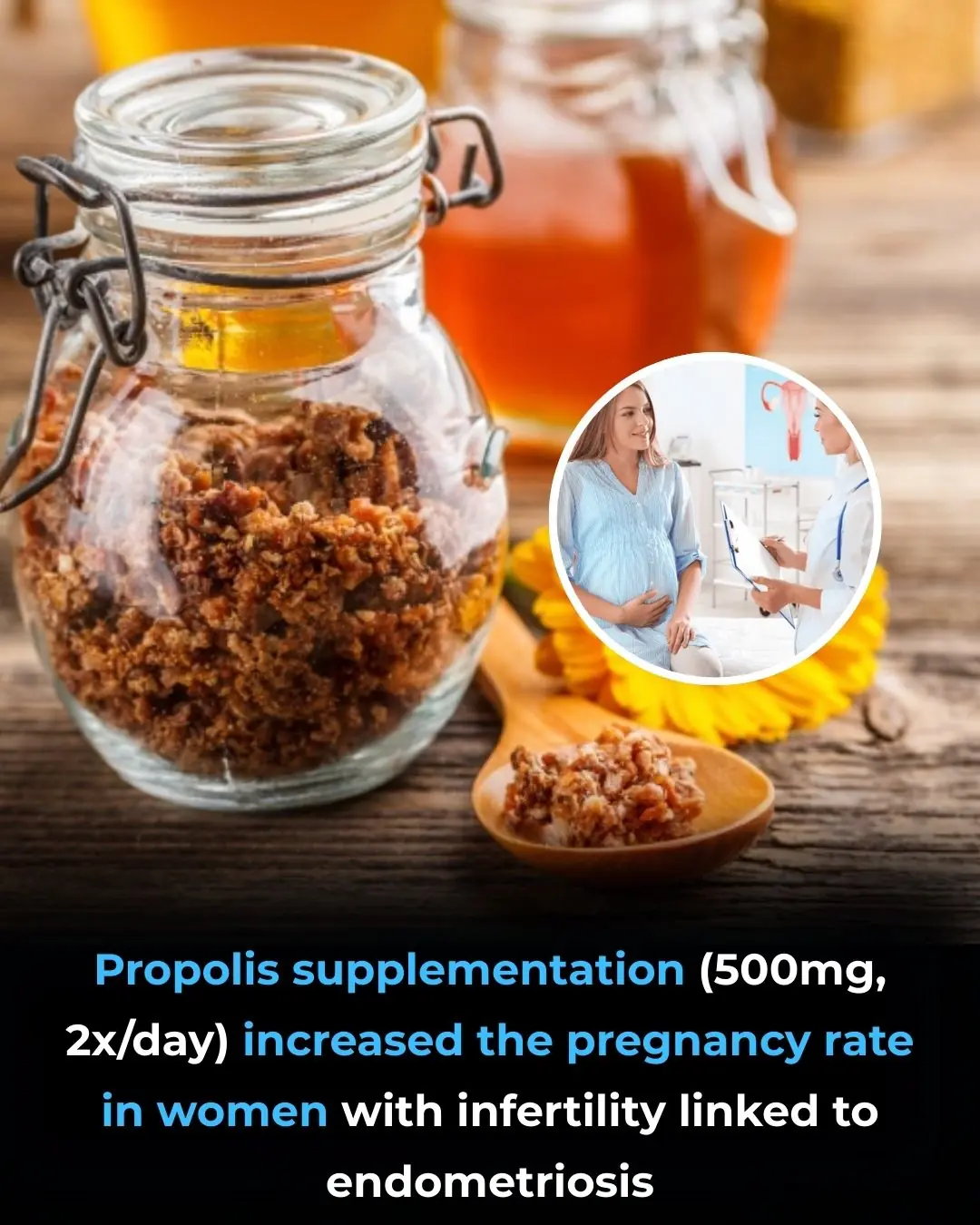
Bee Propolis and Infertility in Endometriosis: Evidence from a Pilot Randomized Clinical Trial
Health 28/12/2025 23:34

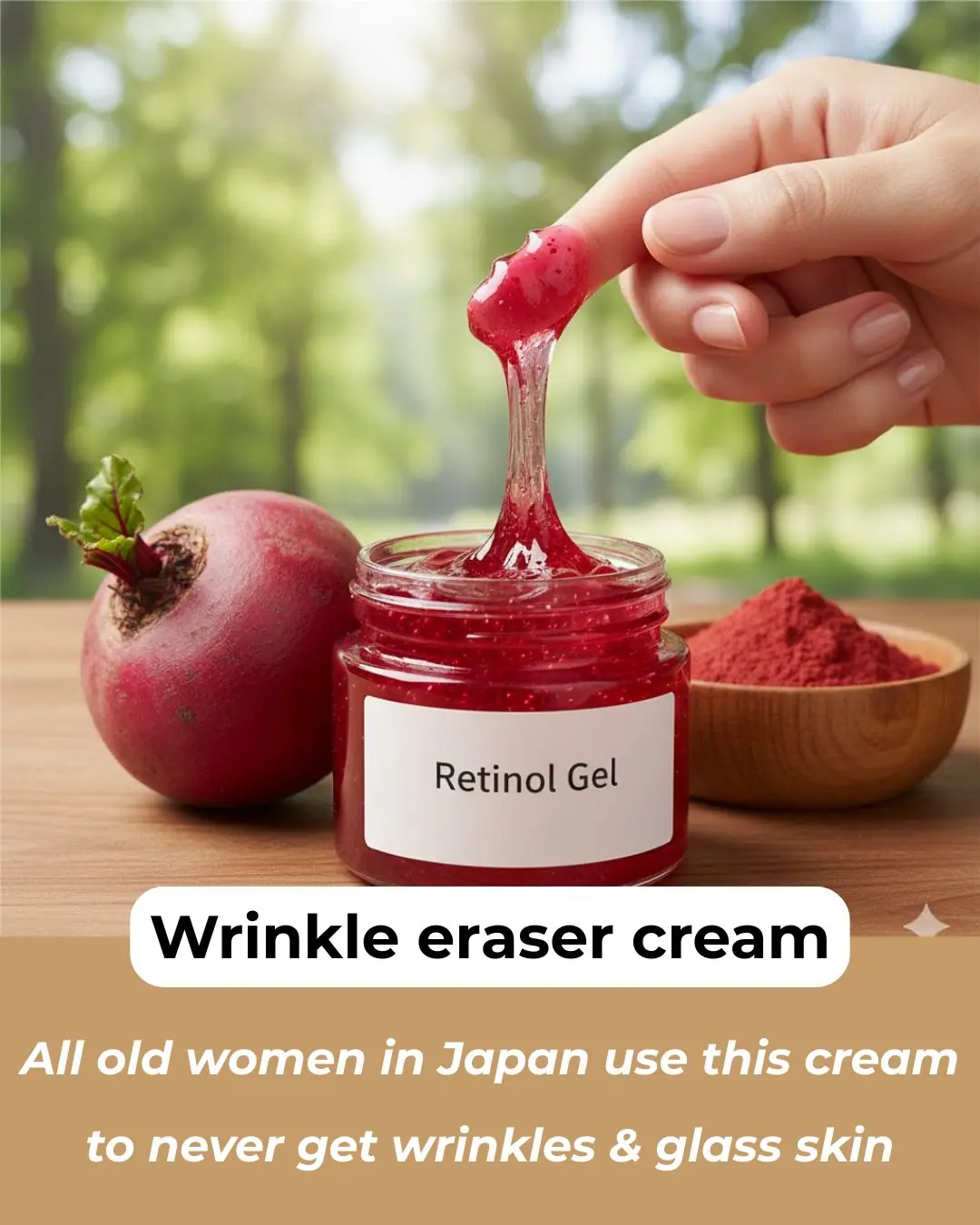
Beets are an exceptionally nutritious root vegetable that deserve a central place in a balanced and healthy diet. Naturally sweet and rich in essential vitamins and minerals, beets provide a wide range of health benefits for people of all ages. Both the beetroot itself and the leafy beet greens can be enjoyed raw or cooked in salads, soups, juices, and warm meals.
Beetroot can also be juiced to deliver a concentrated source of nutrients, making it an easy and effective way to support overall wellness. Scientific research shows that beets may help detoxify the body, reduce blood pressure and cholesterol, improve heart health and physical endurance, and support brain function. Thanks to their unique compounds, beets are increasingly recognized as a natural functional food with therapeutic potential.
Fermented beets offer additional health benefits because they contain probiotics—often referred to as “good bacteria.” These beneficial microorganisms help balance the gut microbiome, which plays a critical role in digestion, immunity, and overall health. A well-balanced gut microbiota has been linked to reduced inflammation, improved nutrient absorption, and stronger immune defenses.
Research indicates that fermented beetroot is particularly effective at combating oxidative stress. It also contains Lactobacillus bacteria, which are well known for supporting gut health and improving intestinal function. Multiple studies have demonstrated that probiotics help restore healthy gut flora, protect against harmful bacteria, and promote the health of the large intestine.
Scientists also emphasize the close connection between gut health and immune function. By stimulating immune responses and inhibiting harmful bacterial growth, probiotics found in fermented foods like beets may help reduce the risk of infections and chronic disease.
In this article, you’ll discover the science-backed health benefits of beetroot, practical ways to include more beets in your daily meals, and a simple fermented beet recipe to maximize their nutritional value.
Beets are packed with essential nutrients required for optimal health. They are a good source of vitamins A, C, and several B-group vitamins, including folate. In addition, beets provide important minerals such as calcium, iron, magnesium, potassium, and manganese, along with dietary fiber that supports digestion.
Beet greens are just as nutritious—if not more so—than the root itself. These leafy tops are rich in fiber, antioxidants, and vitamins. According to nutritional data, just half a cup of raw beet greens supplies nearly the entire recommended daily intake of vitamin K, which is vital for blood clotting, bone strength, and cardiovascular health. Beet greens are also high in vitamins A, C, and B6, as well as potassium, iron, manganese, and fiber.
The most powerful health benefits of beets come from betalains, the natural pigments responsible for their deep red and yellow colors. Betalains are potent antioxidants with anti-inflammatory properties that help protect cells from damage and support long-term health.
Beets contain powerful antioxidants that help the body neutralize and eliminate toxins. These compounds support liver function, enhance immune response, and assist the body’s natural detoxification processes. Beetroot extracts have been shown to reduce free radical damage and promote the removal of harmful substances from the body.
Beet juice, in particular, is considered one of the most antioxidant-rich vegetable juices available. Regular consumption may help lower the risk of chronic diseases linked to oxidative stress.
Beets are rich in natural nitrates, which the body converts into nitric oxide. This compound relaxes blood vessels, improves circulation, and supports healthy blood pressure levels. Studies show that drinking beetroot juice can significantly reduce blood pressure within just a few hours, making it especially beneficial for cardiovascular health.
Beets and beet greens can help lower LDL (“bad”) cholesterol while supporting healthy blood lipid levels. Their antioxidants, flavonoids, and folate contribute to improved fat metabolism and reduced cholesterol buildup. Research also suggests beet leaf extracts may support weight management by reducing body fat accumulation.
Swapping processed snacks for beet-based alternatives, such as baked beet chips, can further support heart health and stable blood sugar levels.
Chronic inflammation is linked to many serious health conditions. Beets contain natural anti-inflammatory compounds that help reduce inflammation throughout the body. Some studies suggest beetroot extracts may act similarly to certain anti-inflammatory medications, without the associated side effects.
Beets are rich in folate and betaine—two compounds known to support cardiovascular health. Betaine helps regulate homocysteine levels, which are associated with an increased risk of heart disease and stroke. Regular beet consumption may improve circulation, lower blood pressure, and reduce strain on the heart.
Beets are widely used by athletes due to their ability to enhance endurance. Natural nitrates improve oxygen efficiency and energy production, allowing muscles to work harder for longer periods. Studies show that both whole beets and beet juice can improve running speed, stamina, and overall exercise performance.
Beets help protect the liver and kidneys by reducing fat buildup, oxidative stress, and toxin accumulation. Betaine plays a key role in liver detoxification, while antioxidants in beets help protect kidney tissue from damage.
By increasing blood flow to the brain, beets may improve focus, memory, and cognitive performance—especially in older adults. Beets also support dopamine balance, which plays a role in mood regulation and neurological health. Their antioxidant effects may help protect against neurodegenerative conditions.
Improved cerebral blood flow from beet consumption has been linked to reduced risk of dementia. Early research also suggests beet extracts may help inhibit cancer development due to their antioxidant and anti-inflammatory effects, although more human studies are needed.
One harmless side effect of eating beets is beeturia, which causes urine or stool to appear pink or red. This is normal and not a health concern. However, excessive beet consumption may interfere with calcium absorption in some individuals, potentially increasing the risk of kidney stones. Beets may also contribute to temporary tooth staining due to their strong pigments.
Store beets in a cool, dark, slightly humid place to prevent drying or sprouting.
Freeze cooked beets for long-term storage.
Steam beets for no more than 15 minutes or roast them for under an hour to preserve nutrients.
Avoid overcooking, as prolonged heat destroys betalains.
Traditional dishes like borscht are excellent ways to enjoy beets while retaining their health benefits.
Combining beets with ginger enhances their anti-inflammatory effects. Ginger contains gingerols, powerful compounds known to reduce joint pain, muscle soreness, and digestive discomfort. Together, beet and ginger juice supports immune health, digestion, and inflammation control.
3 kale leaves
1 medium orange, peeled
1 medium apple, cored
1 carrot, peeled
1 medium beet, peeled
1-inch piece of fresh ginger
Wash all ingredients thoroughly. Juice in manageable pieces and serve immediately for maximum nutritional benefit.
2 beets, washed and sliced
3 tablespoons salt
Water as needed
Place beets in a clean quart jar.
Dissolve salt in 2 cups of water and pour over beets, fully covering them.
Leave 1–2 inches of space at the top and weigh down the vegetables if needed.
Cover and ferment at room temperature for 3–12 days.
Skim off any surface foam if it appears.
Transfer to cold storage once fermented to your taste.











How to Choose Fresh and Delicious Pork: Should You Pick Lighter or Darker Pieces?