Stroke and Cerebral Infarction Prevention: Remember These 3 Indicators, 1 Disease, and 6 Key Habits

When it comes to preventing stroke and cerebral infarction, it’s crucial to pay attention to certain health indicators and habits.
3 Key Indicators That Are “Time Bombs” for Blood Vessels
-
Blood Pressure: High blood pressure is the leading cause of stroke and cerebral infarction. It damages the blood vessel walls, making them brittle and prone to rupture or blood clot formation. Ideal blood pressure should be around 120/80 mmHg. If it consistently exceeds 140/90 mmHg, it needs to be managed promptly.
-
Blood Lipids: High cholesterol and triglyceride levels can narrow blood vessels due to plaque buildup. If this plaque breaks loose, it can cause a blockage, leading to a stroke.
-
Blood Sugar: Elevated blood sugar levels can damage the inner lining of blood vessels, promoting atherosclerosis and increasing the risk of cerebral infarction. Both people with and without diabetes need to maintain stable blood sugar levels.
1 Disease Not to Ignore
Atrial Fibrillation is a common heart rhythm disorder characterized by fast and irregular heartbeats. During atrial fibrillation, the atria cannot contract effectively, causing blood to pool and increase the risk of blood clot formation. If a clot travels to the brain, it can lead to a severe cerebral infarction.
Studies show that people with atrial fibrillation are five times more likely to suffer from a stroke compared to those without it. Therefore, treatment for atrial fibrillation combined with anticoagulant therapy is essential to prevent dangerous clot formation.
6 Habits That Can Trigger a “Death Switch”
-
Excess Salt Intake: Consuming more than 6g of salt per day increases blood pressure silently, making it difficult to control.
-
Smoking and Alcohol Consumption: Nicotine constricts blood vessels, while alcohol thickens the blood—both increase the risk of blood vessel blockages.
-
Staying Up Late: Sleeping less than 6 hours per night can cause blood pressure and blood sugar fluctuations of up to 30%.
-
Prolonged Sitting: After sitting for two hours without movement, blood flow can decrease by up to 60%, which makes blood clots more likely to form.
-
Inadequate Water Intake: When dehydrated, blood viscosity can double, impairing circulation.
-
Emotional Stress: Anger can cause an immediate rise in blood pressure of up to 40mmHg.
Effective Prevention Strategies
-
Walking briskly for 30 minutes a day can reduce the risk of cerebral infarction by up to 25%.
-
Replacing 50% of white starch with whole grains helps stabilize blood sugar and reduces fluctuations by up to 40%.
-
Adding 20g of fiber per day can slow the process of arteriosclerosis by up to 35%.
Recognizing the Warning Signs: The “120” Rule
If you experience any of these symptoms, it’s critical to seek emergency medical attention immediately:
-
Weakness or numbness on one side of the body.
-
Drooping on one side of the mouth.
-
Difficulty speaking or slurring speech.
Do not take aspirin on your own, as it could cause a brain hemorrhage.
Prevention Should Start Early – Don’t Wait Until It’s Too Late
-
From 20 years old: Monitor blood lipids.
-
From 30 years old: Manage blood sugar.
-
From 40 years old: Control blood pressure.
-
From 50 years old: Begin regular vascular health checks.
Remember, stroke and cerebral infarction do not only affect the elderly—15% of victims are under 40. Taking proactive steps to protect your health today is the wisest decision to avoid regrets later.
News in the same category


Optimism as a Psychosocial Predictor of Exceptional Longevity

Why Ages 36–46 Matter: Midlife as a Critical Window for Long-Term Health

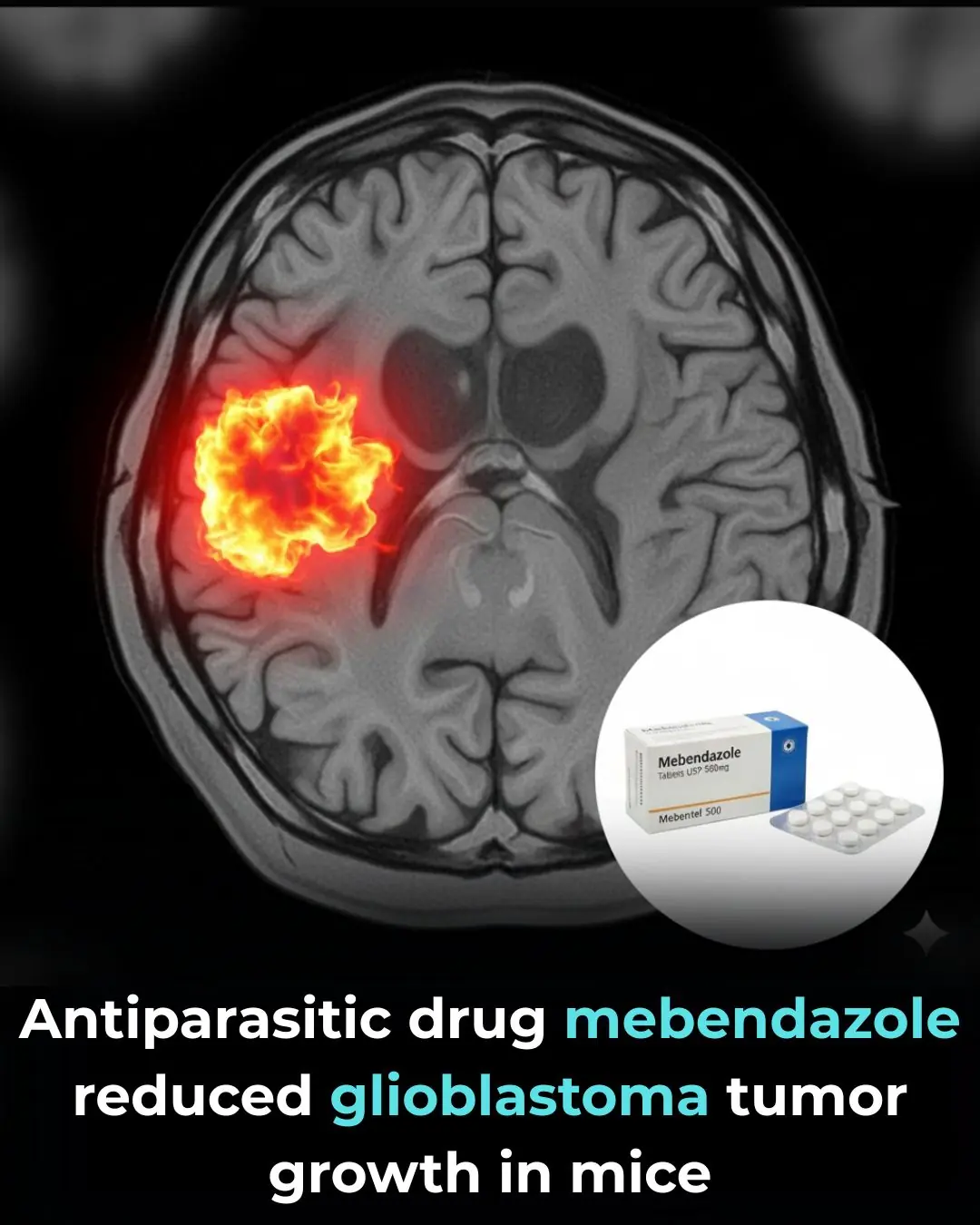
Mebendazole as a Repurposed Therapy for Glioblastoma: Evidence from Preclinical Research

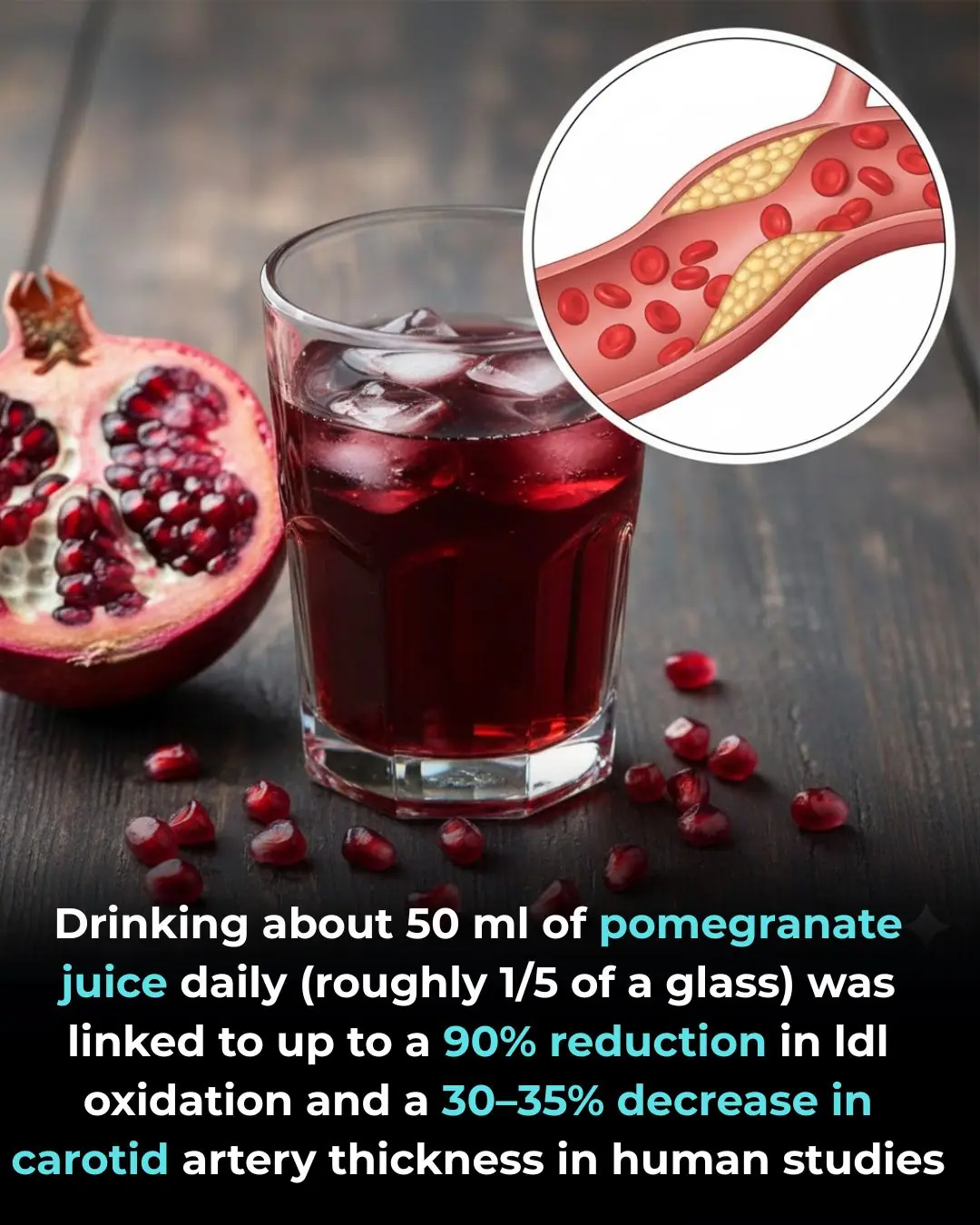
Pomegranate Juice and Cardiovascular Protection: Evidence from Human Clinical Studies

Synergistic Tumor Suppression by Vitamin K2 and Active Vitamin D in Triple-Negative Breast Cancer Cells

Thiamine Tetrahydrofurfuryl Disulfide (TTFD) as a Potential Supportive Intervention in Autism: Evidence from a Pilot Study

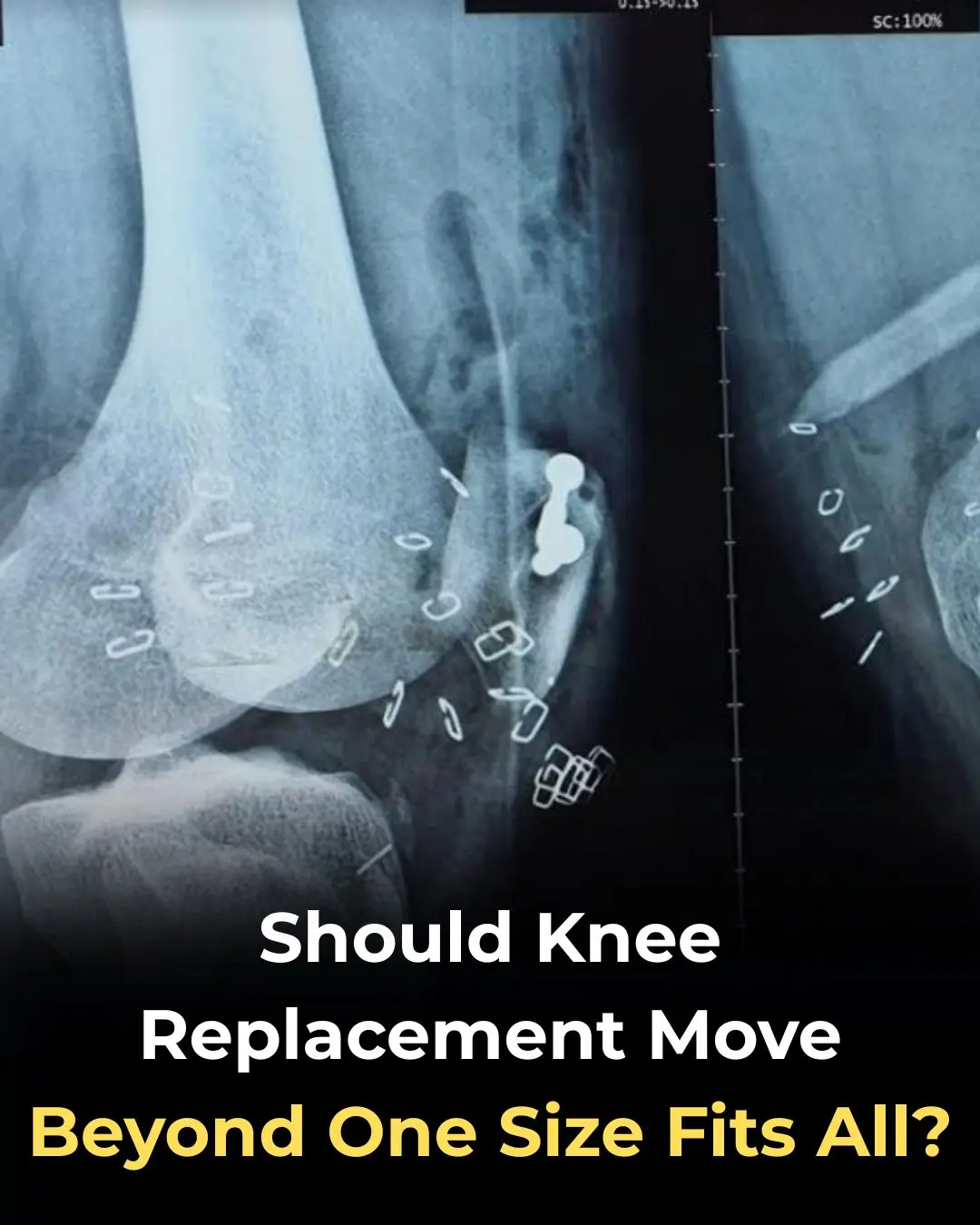
Should Knee Replacement Move Beyond One-Size-Fits-All Alignment?

Shingles Vaccination Associated With Reduced Cardiovascular and Dementia Risk Despite Breakthrough Infections

Early Use of Glucocorticoids Reduces Mortality in Community-Acquired Pneumonia in Low-Resource Settings

8 Early Signs of Diabetes That Many People Overlook

Bad Habits After Washing Clothes That Can Make the Whole Family Sick! Many People Overlook This Detail

How do people who take naps and those who don't? Experts reveal surprising truth

Of particular note, these four unusual pains occurring every morning may be a warning sign of a tumor in the body

Scientifically Proven Health Benefits of Papaya (Fruit) + Uses for the Seeds

10 Habits That Harm Your Heart That You Probably Didn’t Know About

How to Get Rid of Muscle Soreness: Home Remedies That Really Work

Crusty sore on my lip won’t go away. Appointment is impossible to get right now. What is this?

Coffee Consumption, Additives, and Mortality Risk: Evidence from a Large U.S. Cohort Study
News Post

How to Choose Fresh Ginger and Store It Properly

4 Types of Vegetables Most Effective in Preventing Cancer, According to Doctors: Eating Them Regularly Is Great for Your Health

She believed it was just an ordinary photo — but zooming in revealed a shocking truth that turned her world upside down

Optimism as a Psychosocial Predictor of Exceptional Longevity

Why Ages 36–46 Matter: Midlife as a Critical Window for Long-Term Health

Mebendazole as a Repurposed Therapy for Glioblastoma: Evidence from Preclinical Research

Pomegranate Juice and Cardiovascular Protection: Evidence from Human Clinical Studies

Synergistic Tumor Suppression by Vitamin K2 and Active Vitamin D in Triple-Negative Breast Cancer Cells

Thiamine Tetrahydrofurfuryl Disulfide (TTFD) as a Potential Supportive Intervention in Autism: Evidence from a Pilot Study

Should Knee Replacement Move Beyond One-Size-Fits-All Alignment?

Shingles Vaccination Associated With Reduced Cardiovascular and Dementia Risk Despite Breakthrough Infections

Early Use of Glucocorticoids Reduces Mortality in Community-Acquired Pneumonia in Low-Resource Settings

At thirty-seven, I walked into the Grand Westbrook Hotel in downtown Chicago wearing a simple black dress and a wool coat I’d owned for years.

I worked abroad for 5 years to buy a house for my mother – When I returned, meeting my mother was not like I imagined.

THE MORNING AFTER THE WEDDING, MY HUSBAND AND I WERE ALREADY PACKING FOR HONEYMOON WHEN I GOT A CALL FROM THE REGISTRY OFFICE: ‘SORRY, WE CHECKED YOUR DOCUMENTS AGAIN… YOU NEED TO COME IN & SEE THIS IN PERSON. COME ALONE — AND DON’T TELL YOUR HUSB

I quit my career because my husband said, “A real wife stays home.” I did—ten years of silence and sacrifice. Then he filed for divorce. His lawyer smirked, “She has no skills.

“Just the thought of sleeping with that fat pig makes me sick.” I heard my son-in-law say this about my daughter the night before their wedding. He and his friends laughed like it was nothing… But in the end, I was the one who had the last laugh.

I Was Seven Months Pregnant, Carrying Groceries Up Three Flights Of Stairs While My Husband Sat On The Couch Playing Video Games.