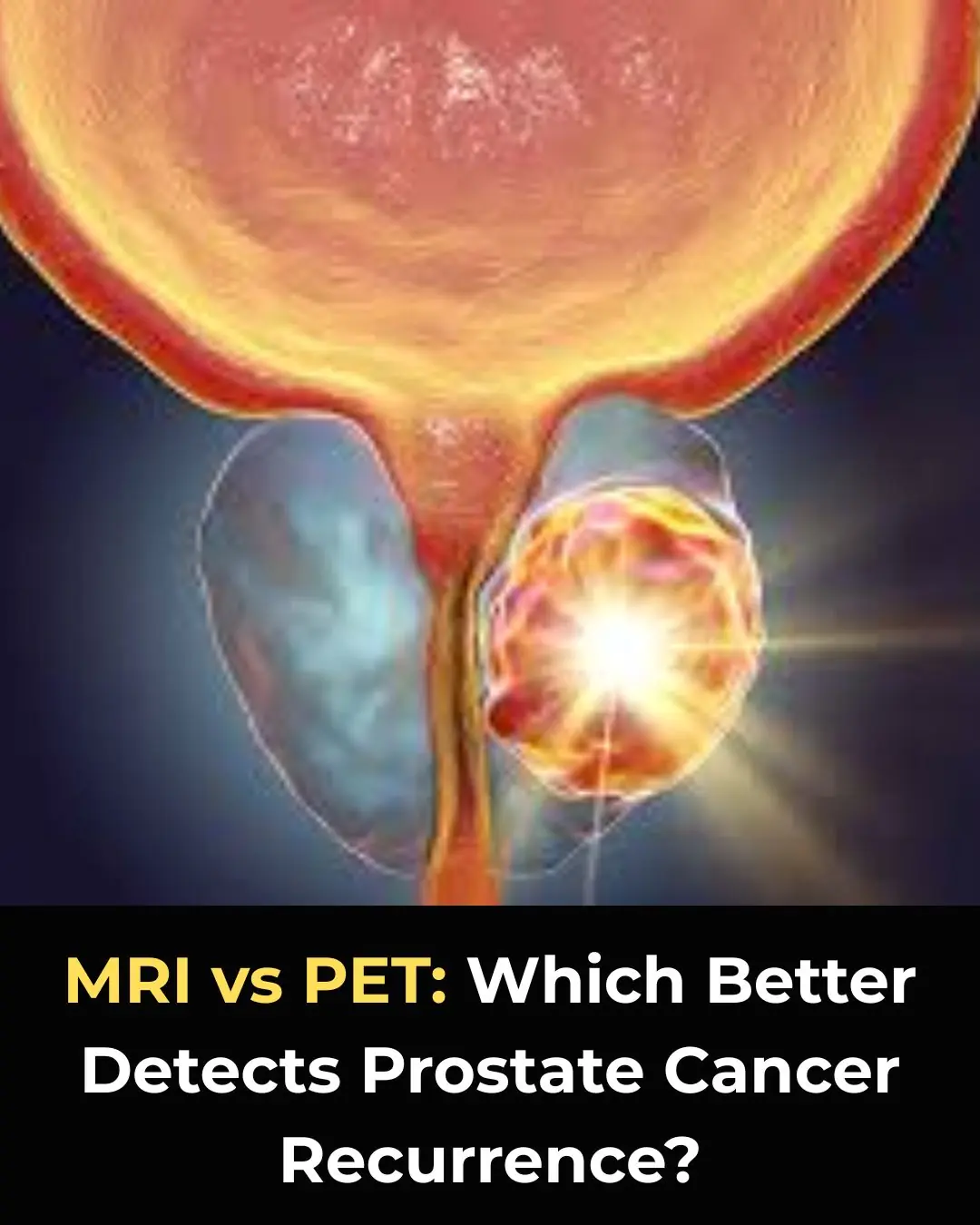
MRI vs PET: Which Imaging Modality Better Detects Prostate Cancer Recurrence?
Health 28/12/2025 21:22
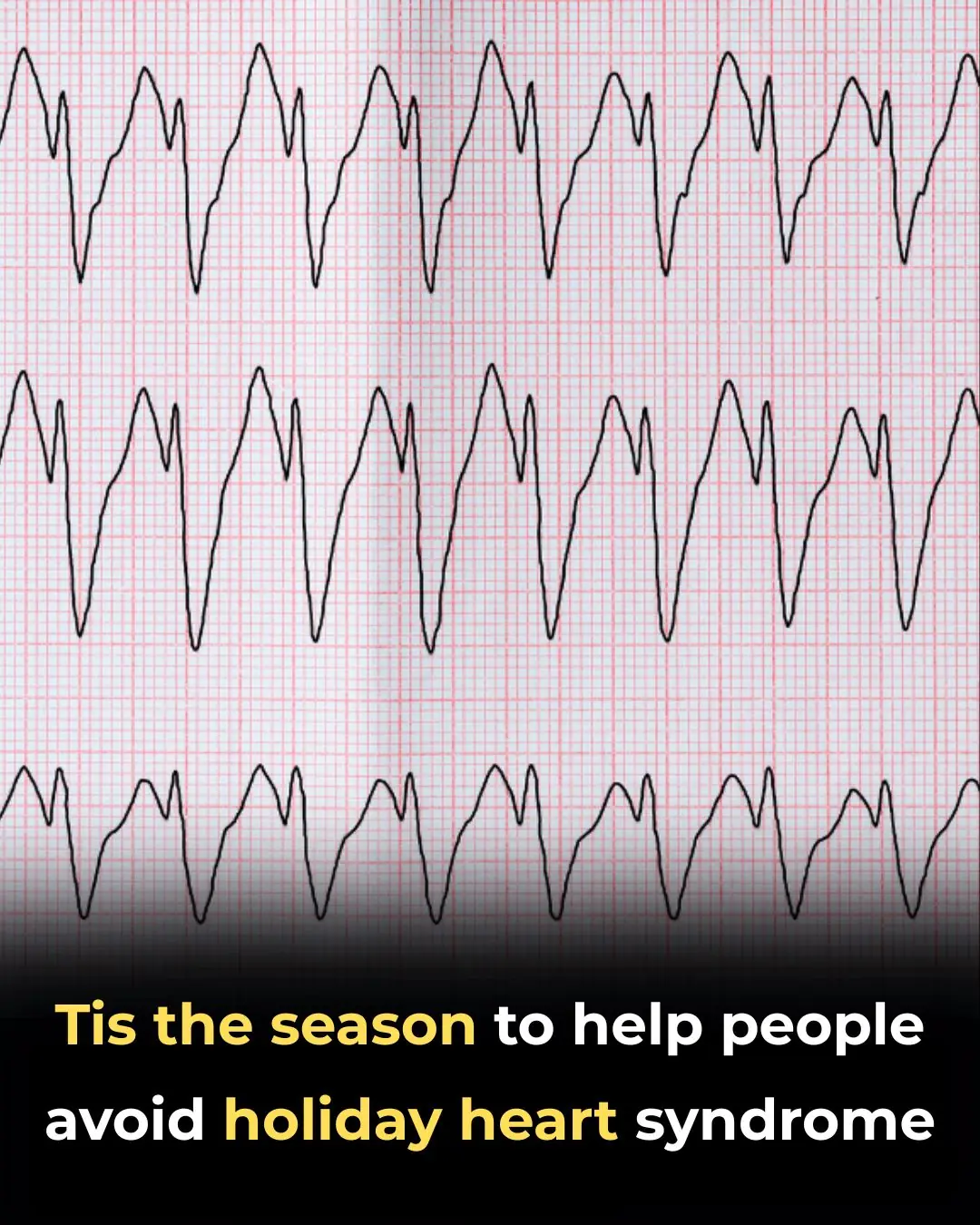
The holiday season is often associated with celebration, indulgence, and relaxation. Yet for healthcare professionals, particularly primary care providers (PCPs), December and January bring a recurring and less festive trend: a noticeable rise in cardiac rhythm disturbances, especially atrial fibrillation. This phenomenon has been widely recognized as Holiday Heart Syndrome, a term coined by researchers after observing seasonal spikes in heart-related events linked to lifestyle changes during the holidays.
Holiday Heart Syndrome refers to the occurrence of cardiac arrhythmias—most commonly atrial fibrillation (AF)—in people without known heart disease, triggered by excessive alcohol consumption. The condition was first described decades ago when clinicians noticed an increase in emergency room visits for palpitations and irregular heartbeats following weekends and holiday celebrations.
Atrial fibrillation is characterized by chaotic electrical activity in the atria, leading to an irregular and often rapid heartbeat. While AF can be chronic, in holiday heart syndrome it often presents acutely and may resolve once the triggering factors are removed. However, even short-lived episodes can carry serious risks, including stroke, heart failure, and impaired circulation.
Binge drinking is considered the central driver of holiday heart syndrome. Alcohol affects the heart in several ways: it alters electrolyte balance, increases sympathetic nervous system activity, disrupts normal cardiac conduction, and can directly irritate heart muscle cells. Even individuals who do not drink heavily year-round may be vulnerable if they consume large amounts of alcohol over a short period.
Alcohol’s impact is often compounded by other common holiday behaviors, including:
High-sodium meals, which contribute to fluid retention and elevated blood pressure
Increased psychological stress, related to family dynamics, financial pressures, or travel
Reduced physical activity, as routines are disrupted by travel and social gatherings
Poor sleep, which further destabilizes cardiovascular regulation
Together, these factors place significant strain on the heart and blood vessels, increasing the likelihood of rhythm disturbances and vascular complications.
While atrial fibrillation is the most recognized manifestation of holiday heart syndrome, clinicians are increasingly emphasizing the importance of monitoring for signs of impaired circulation, which patients may dismiss as harmless “holiday fatigue.”
Primary care providers should be particularly vigilant for symptoms such as:
New or worsening leg pain during walking, which may indicate peripheral arterial disease
Nonhealing foot wounds, especially in patients with diabetes or vascular risk factors
Changes in limb color or temperature, suggesting reduced blood flow
Sudden numbness, weakness, or tingling, which could signal acute vascular compromise or stroke
These warning signs can be subtle and easily overlooked amid the busyness of the season, yet they may represent serious underlying pathology requiring urgent evaluation.
Holiday heart syndrome is often reversible, but it is not benign. Even transient atrial fibrillation increases the risk of thromboembolic events, particularly in older adults or those with hypertension, diabetes, or vascular disease. Missed or delayed diagnosis can lead to preventable complications long after the holidays have passed.
Early recognition allows clinicians to:
Identify arrhythmias through timely ECG monitoring
Address reversible triggers such as alcohol intake and electrolyte imbalance
Initiate anticoagulation or rate control when appropriate
Educate patients on lifestyle modifications to reduce recurrence
Preventing holiday heart syndrome requires collaboration between healthcare providers and patients. PCPs play a critical role in counseling patients—especially those with cardiovascular risk factors—about moderation during the holidays.
Key preventive messages include:
Limiting alcohol consumption and avoiding binge drinking
Staying hydrated and balancing indulgent meals with healthier choices
Maintaining some level of physical activity, even while traveling
Prioritizing sleep and stress management
Seeking medical attention promptly for new cardiac or circulatory symptoms
Public awareness is equally important. Many individuals mistakenly believe that occasional heavy drinking is harmless, particularly during celebrations. Education can help shift this perception and encourage healthier holiday habits.
As the holiday season continues to be a time of increased cardiovascular risk, holiday heart syndrome remains a timely reminder that the heart does not take a vacation. By recognizing seasonal patterns, identifying early warning signs, and promoting preventive strategies, clinicians can help reduce avoidable cardiac events and ensure that celebrations do not come at the expense of long-term heart health.
Ultimately, helping patients enjoy the holidays safely may be one of the most impactful forms of preventive cardiology.



How to Choose Fresh and Delicious Pork: Should You Pick Lighter or Darker Pieces?















How to Choose Fresh and Delicious Pork: Should You Pick Lighter or Darker Pieces?