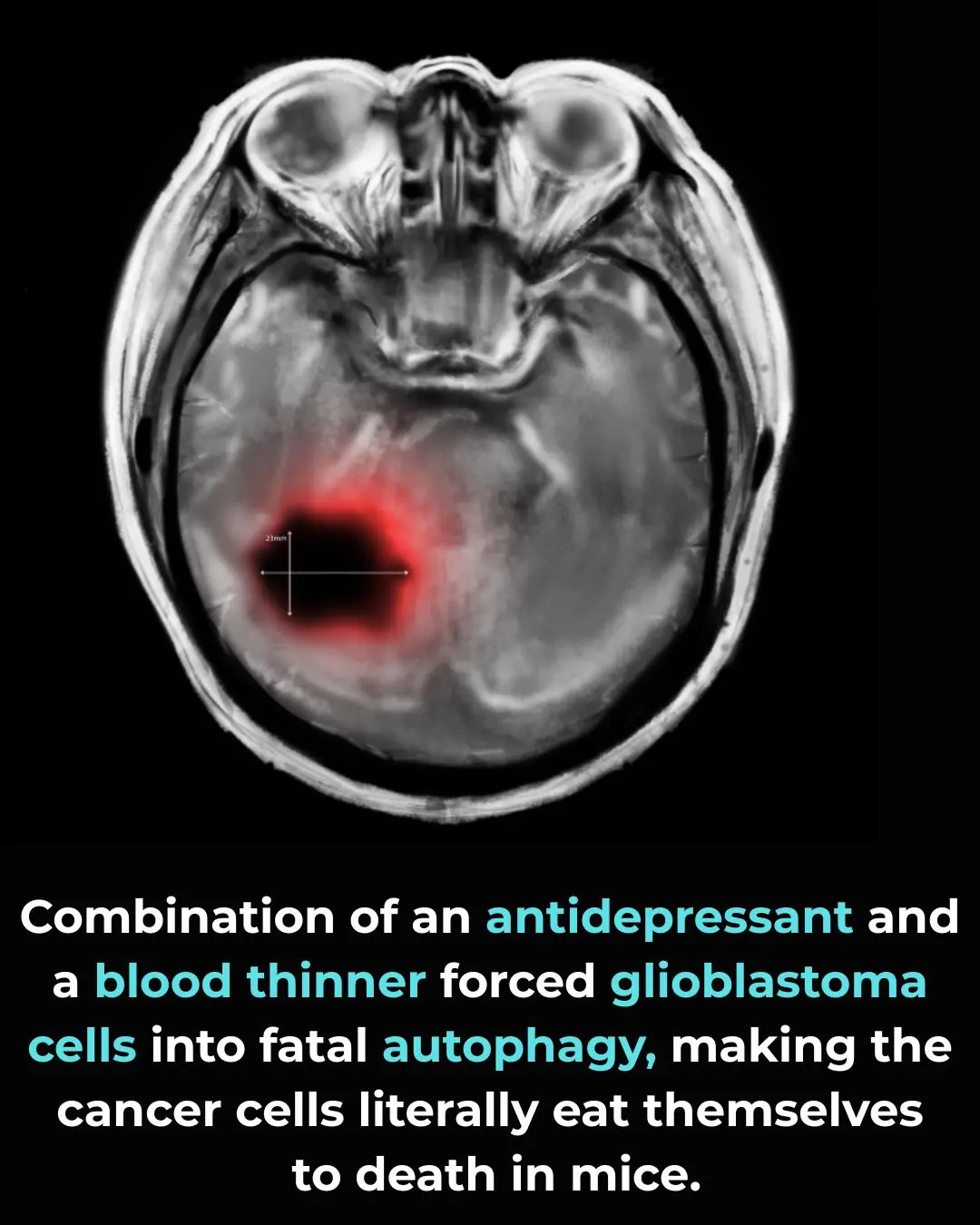
A Breakthrough in Glioblastoma Immunotherapy: Rapid Tumor Regression with CARv3-TEAM-E
Health 24/12/2025 00:15
Kimchi Consumption and Immune Balance: Evidence from a 12-Week Human Clinical Study
Maintaining a well-functioning immune system requires more than simply amplifying immune responses. An effective immune system must strike a delicate balance: it must respond rapidly and forcefully to pathogens while avoiding excessive or misdirected activation that can lead to chronic inflammation or autoimmune damage. In recent years, fermented foods have attracted growing scientific interest for their potential to support this balance through interactions with the gut–immune axis. A new 12-week clinical study provides novel human evidence that kimchi, a traditional fermented Korean food, can enhance immune competence while simultaneously promoting immune regulation.
In this study, overweight adults consumed kimchi powder daily for twelve weeks, allowing researchers to assess immune changes under controlled dietary conditions. Rather than relying solely on broad inflammatory markers, the investigators examined immune responses at a cellular and even single-cell level, offering an unusually detailed view of how diet can influence immune function. This approach enabled them to distinguish between indiscriminate immune “boosting” and more nuanced immune modulation.
One of the key findings was a significant strengthening of antigen-presenting cells (APCs). These cells, which include dendritic cells and certain macrophages, serve as the immune system’s early warning network. They detect invading pathogens, process their antigens, and present them to T cells, thereby initiating adaptive immune responses. Participants who consumed kimchi powder showed enhanced APC activity, suggesting improved immune surveillance and a greater capacity to recognize and respond to viral or bacterial threats at an early stage.
Equally important were the observed changes in CD4⁺ T cells, which play a central coordinating role in immunity. CD4 T cells help orchestrate pathogen defense by supporting antibody production and cytotoxic responses, but they also include regulatory subsets that suppress excessive inflammation. The study found that kimchi consumption improved CD4 T-cell function in both of these dimensions. On one hand, CD4 T cells became more effective at supporting protective immune responses. On the other, they also showed improved regulatory behavior, helping to prevent unnecessary or exaggerated immune reactions. This dual effect indicates that kimchi promotes immune balance rather than simply increasing immune activity indiscriminately.
A particularly interesting aspect of the study was the comparison between starter-fermented kimchi and naturally fermented kimchi. Starter-fermented kimchi, produced using defined microbial cultures, demonstrated stronger immune-modulating effects than naturally fermented varieties. This suggests that specific microbial compositions and fermentation conditions may enhance the functional properties of kimchi. Standardized starter cultures may produce more consistent levels of bioactive compounds, such as short-chain fatty acids, peptides, and microbial metabolites, which are known to influence immune signaling pathways.
The authors emphasized that this is the first study to demonstrate kimchi’s immune benefits at a single-cell resolution in humans. By showing how individual immune cell populations change in response to kimchi consumption, the research moves beyond observational associations and provides mechanistic insight into how fermented foods can shape immune behavior. These findings align with broader evidence that fermented foods can influence gut microbiota composition, strengthen intestinal barrier function, and modulate systemic immunity.
Importantly, the immune effects observed in this study were not associated with signs of excessive inflammation. This distinction is critical, as chronic low-grade inflammation is common in overweight individuals and is linked to metabolic and cardiovascular disease. By enhancing immune readiness while supporting regulatory mechanisms, kimchi consumption may help counteract immune dysregulation associated with excess weight and metabolic stress.
In conclusion, this 12-week human clinical study provides strong evidence that kimchi supports immune health by enhancing both immune defense and immune regulation. By strengthening antigen-presenting cells and improving the functional balance of CD4 T cells, kimchi helps the immune system respond appropriately when challenged and remain calm when threats are absent. The finding that starter-fermented kimchi exerts particularly strong effects further highlights the potential for optimizing fermentation strategies. Together, these results suggest that kimchi may be developed as a scientifically grounded functional food to support immune balance and resilience (peer-reviewed clinical study on kimchi and immune function, 2024).