
11 Benefits of Going Caffeine-Free
Health 23/12/2025 22:16
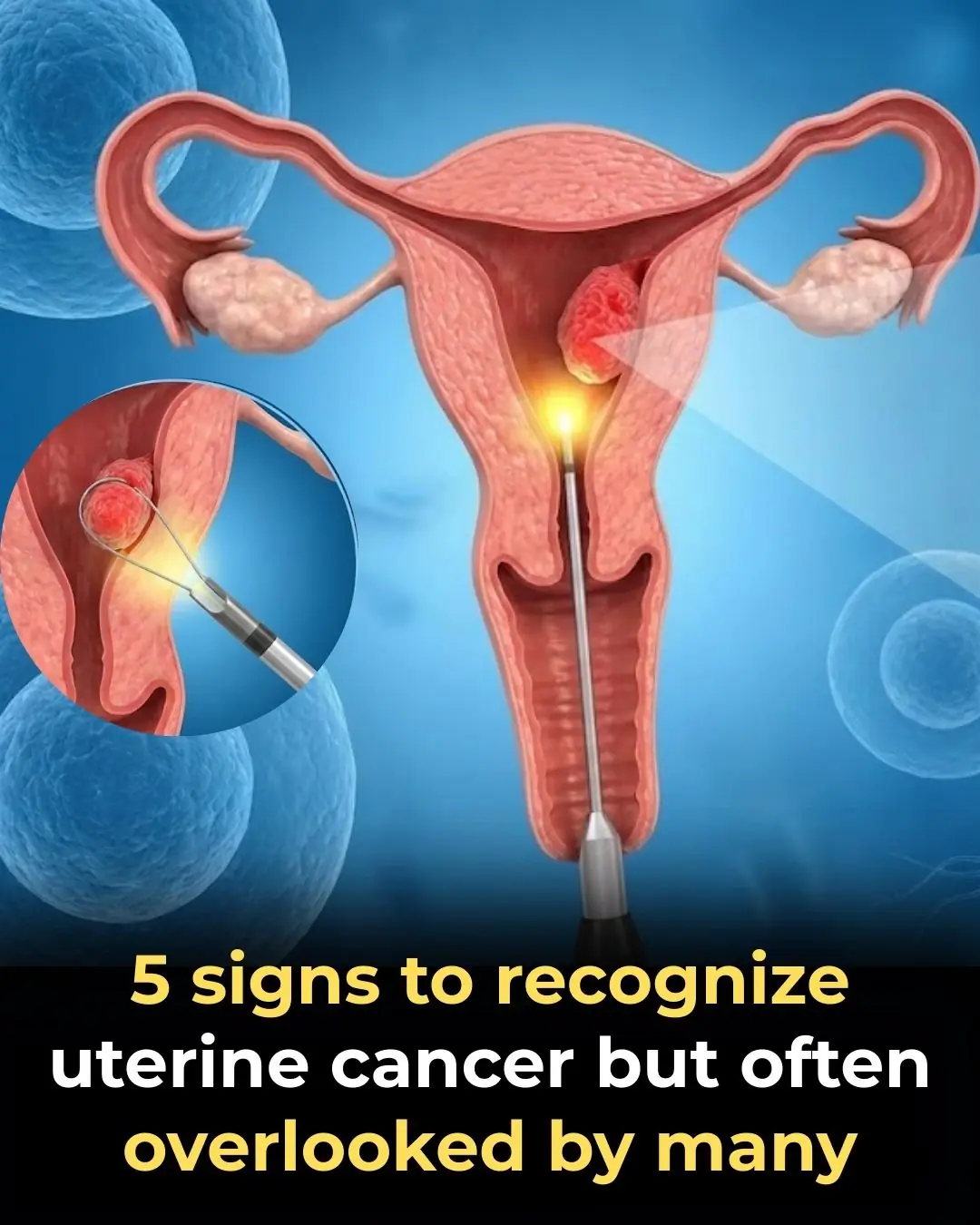
Cervical cancer is one of the most common cancers in women, especially in developing countries like Vietnam. According to GLOBOCAN 2022 statistics, more than 4,600 new cases are diagnosed each year in Vietnam, with around 2,600 deaths from this disease. The alarming fact is that cervical cancer can be completely cured if detected early, helping women maintain their health, fertility, and quality of life.
However, many women neglect the early warning signs or are reluctant to undergo gynecological examinations. Here are 5 signs that are easy to recognize but often overlooked—listen to your body and don’t take them lightly!
1. Unusual Vaginal Bleeding
Bleeding outside of menstruation or after sexual intercourse is a primary warning sign of cervical cancer. Even if the bleeding is minimal, painless, or brief, it is still an abnormal symptom that requires immediate examination.
For women who have reached menopause—when menstrual cycles cease—any form of bleeding should be taken as a serious warning. Delaying a check-up could mean missing the opportunity for early intervention.
This occurs because cancer cells can damage small blood vessels in the cervix, leading to spontaneous bleeding or bleeding during physical contact, such as during sex.
2. Abnormal Vaginal Discharge
Another significant sign is a change in vaginal discharge. If you notice the discharge is an unusual color—such as yellow, green, brown, or mixed with blood—or if it has an unpleasant odor, it is essential to seek medical advice immediately.
A tumor in the cervix can lead to infections or tissue necrosis, causing abnormal discharge. The discharge may become excessively watery or unusually thick, both of which need attention.
3. Pain or Bleeding During Sexual Intercourse
Experiencing pain or noticing blood during every sexual encounter should not be ignored. Although this can stem from various gynecological issues, cervical cancer is one of the first conditions that needs to be ruled out.
When a tumor develops on the cervix, friction during intercourse can easily cause bleeding, inflammation, or persistent pain. This is a sign that damage has occurred and medical intervention is needed promptly.
4. Lower Abdominal, Pelvic, or Lower Back Pain
Pain may be felt gradually in the lower abdomen, extending to the pelvic area or lower back, and it is usually not related to the menstrual cycle. As the tumor grows, it may press on nearby tissues, nerves, or lymph nodes, leading to constant pain.
If the pain persists without a clear cause, especially when combined with other symptoms mentioned above, don’t hesitate to visit a gynecologist. Delaying treatment could allow the disease to progress to a more dangerous stage.
5. Urinary Issues and Swollen Legs
A growing tumor can put pressure on the bladder and urethra, leading to symptoms such as painful urination, frequent urination, difficulty urinating, or incontinence. In severe cases, blood may be found in the urine.
Additionally, swelling of the legs, especially on one side, could indicate that the cancer has affected the lymph nodes in the pelvic area. This is a sign of the disease’s progression, and immediate treatment is necessary.
Why Early Detection Matters
Detecting and treating cervical cancer in its early stages greatly improves survival rates and treatment outcomes:
The 5-year survival rate can reach 91–95% with early diagnosis.
Treatment is less expensive, simpler, and has a smaller impact on the body and the patient’s mental health.
Preserving fertility is possible, and the cervix does not need to be removed if the damage is treated promptly.
In contrast, in the later stages, the survival rate drops to only 20–30%, and treatment becomes more complex, expensive, and detrimental to reproductive health.
What to Do If You Suspect Cervical Cancer
Get a Gynecological Check-Up Immediately
Don’t delay. When your body signals something unusual, the first step is to visit a healthcare facility for a check-up.
Regular Screenings
Regular Pap smears and HPV tests are the most effective ways to detect cervical cancer early. Women aged 21 to 65 should have screenings every three years. For women over 30, combining an HPV test with a Pap smear can increase accuracy.
Get the HPV Vaccine
The HPV vaccine can prevent up to 90% of the causes of cervical cancer. It is ideal to get vaccinated before becoming sexually active, but adults can still receive the vaccine following their doctor’s guidance.
Cervical cancer is preventable and treatable if detected early. Don’t ignore any signs such as abnormal bleeding, unusual discharge, pain during intercourse, pelvic pain, urinary issues, or swollen legs.
Women should actively take care of their reproductive health, schedule regular screenings, and consult a doctor when in doubt. Protecting yourself today ensures a healthy future for you and your loved ones.