Why Does My Heart Hurt? Common Reasons For Heart or Chest Pain
Health 23/12/2025 13:33
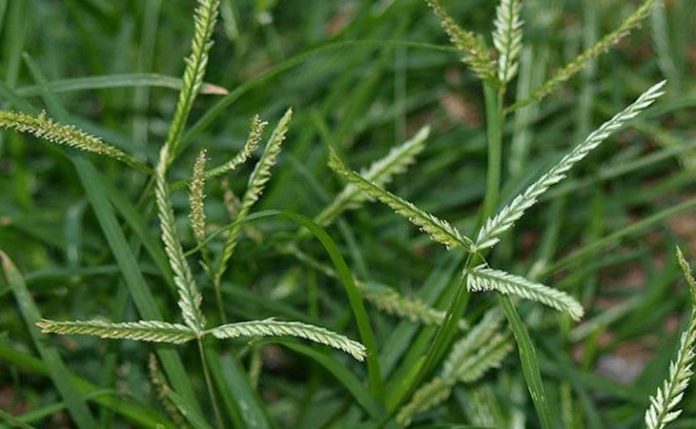
Eleusine Indica, also known as goosegrass, Indian doab, or poor man's rice, is a medicinal herb recognized for its cooling properties and slightly bitter taste. In traditional medicine, it is used to promote blood circulation, strengthen the blood, detoxify the body, promote urination, and cool the liver. Eleusine Indica is commonly used in traditional remedies for conditions such as abdominal bloating, rheumatism, urinary difficulties, malaria, hot liver, and high blood pressure.
Overview of Eleusine Indica
Eleusine Indica, with the scientific name Eleusine indica (L.) Gaertn., belongs to the Poaceae (grass) family. This plant is an annual herb with the following characteristics:
It grows in clusters, with a creeping stem that then stands upright and branches out. The plant can reach heights of 30–50 cm.
The leaves are narrow, arranged alternately, with smooth leaf blades and thin, hairy leaf sheaths. The leaves are arranged in two opposite rows.
The flowers are clustered at the tip of the plant, with 5–7 florets at the top, and 2 additional florets lower on the inflorescence.
The fruit is cylindrical, measuring 3–4 mm in length.
Eleusine Indica is commonly found in rural areas and can be found in fields and lowland regions throughout Southeast Asia, including Vietnam. It is a sun-loving plant that thrives in moist conditions, but can also tolerate some shade. The plant typically grows from seeds, and in regions with moist, humid conditions, it can bloom nearly year-round.
Traditional Medicinal Uses
In traditional medicine, Eleusine Indica is considered a cooling herb with a slightly bitter taste. It is known for its ability to reduce heat, stop bleeding, promote urination, and reduce swelling. It is commonly used for high blood pressure, lung tuberculosis, dry coughs, low-grade fevers (especially in the afternoon), and to treat issues such as yellowing of the skin, constipation, and nausea during pregnancy.
Moreover, it is believed to treat skin conditions like acne, as well as children's mouth infections (oral thrush). In Malaysia, fresh juice from Eleusine Indica is used for women after childbirth to help expel postpartum fluids more quickly. In China, it has been used to prevent infectious encephalitis, gout, hepatitis, and other infections.
Modern Scientific Research on Eleusine Indica
Modern scientific studies confirm that Eleusine Indica contains several beneficial chemical compounds. Research indicates that the plant’s branches and leaves contain flavonoids, while the plant’s aerial parts include 3-O-β-D-glucopyranosyl-β-sitosterol and palmitoyl derivatives.
Fever Reduction and Anti-inflammatory Effects: The C-glycosylflavones in Eleusine Indica have been shown to possess anti-inflammatory properties, especially for respiratory issues in mice with pneumonia or influenza. A study indicated that an extract of the plant had a fever-reducing effect comparable to acetylsalicylic acid (aspirin).
Blood Pressure Reduction: Studies demonstrate that extracts from Eleusine Indica effectively reduce blood pressure in animal models, showing similar effects to the drug Lorsatan.
Antibacterial Effects: Eleusine Indica has been shown to have moderate antibacterial effects against pathogens such as Pseudomonas aeruginosa, Staphylococcus aureus, and Salmonella choleraesuis.
Kidney Function Protection: A study on rats with induced kidney damage found that Eleusine Indica extract protected kidney function, improving markers like urea, creatinine, and electrolytes compared to a control group.
Liver Protection and Lipid Regulation: Research on rats with induced obesity showed that Eleusine Indica extract helped lower total cholesterol, LDL cholesterol, and increase HDL cholesterol, as well as improve liver enzymes ALT and AST, indicating potential liver protection and support for managing lipid disorders.
Traditional Remedies with Eleusine Indica
Eleusine Indica has been used in various traditional remedies. Here are some examples:
High Blood Pressure: Use 500g of fresh Eleusine Indica, wash and mash it, then add cooled boiled water. Filter the mixture and drink the juice with a bit of sugar, twice a day (morning and evening).
High Fever: Boil 120g of fresh Eleusine Indica with 600ml of water until only 400ml remains. Add a pinch of salt and drink it throughout the day in several doses.
Skin Inflammation and Jaundice: Use 60g of fresh Eleusine Indica and 30g of Sanchezia root. Boil together and drink the decoction throughout the day.
Swollen Testicles: Boil 60g of Eleusine Indica with 10 lychee seeds and drink the mixture in multiple doses.
Urinary Problems (yellow, infrequent urination): Boil 16g of Eleusine Indica with 16g of Imperata cylindricaand drink the decoction in several doses.
Preventing Meningitis: Boil 30g of Eleusine Indica and drink the decoction over 3 days, with breaks between doses.
Fever and Mouth Thrush in Children: Boil a mix of Eleusine Indica, Centella Asiatica, Eclipta alba, and other herbs to reduce symptoms.
Precautions When Using Eleusine Indica
While Eleusine Indica has proven beneficial for health, there are a few important considerations:
The plant grows in areas that can be exposed to dirt and pollutants, so it must be cleaned thoroughly before use.
People with underlying health conditions should consult a doctor before using Eleusine Indica or other herbs.
Special care should be taken when using this herb for young children or individuals with sensitive constitutions.
Long-term use of Eleusine Indica or any herbal remedy should be monitored by a healthcare professional to avoid adverse effects on internal organs.
Although Eleusine Indica has been shown to have many health benefits in supporting the treatment of common ailments, it should not be used excessively without consulting a healthcare provider.