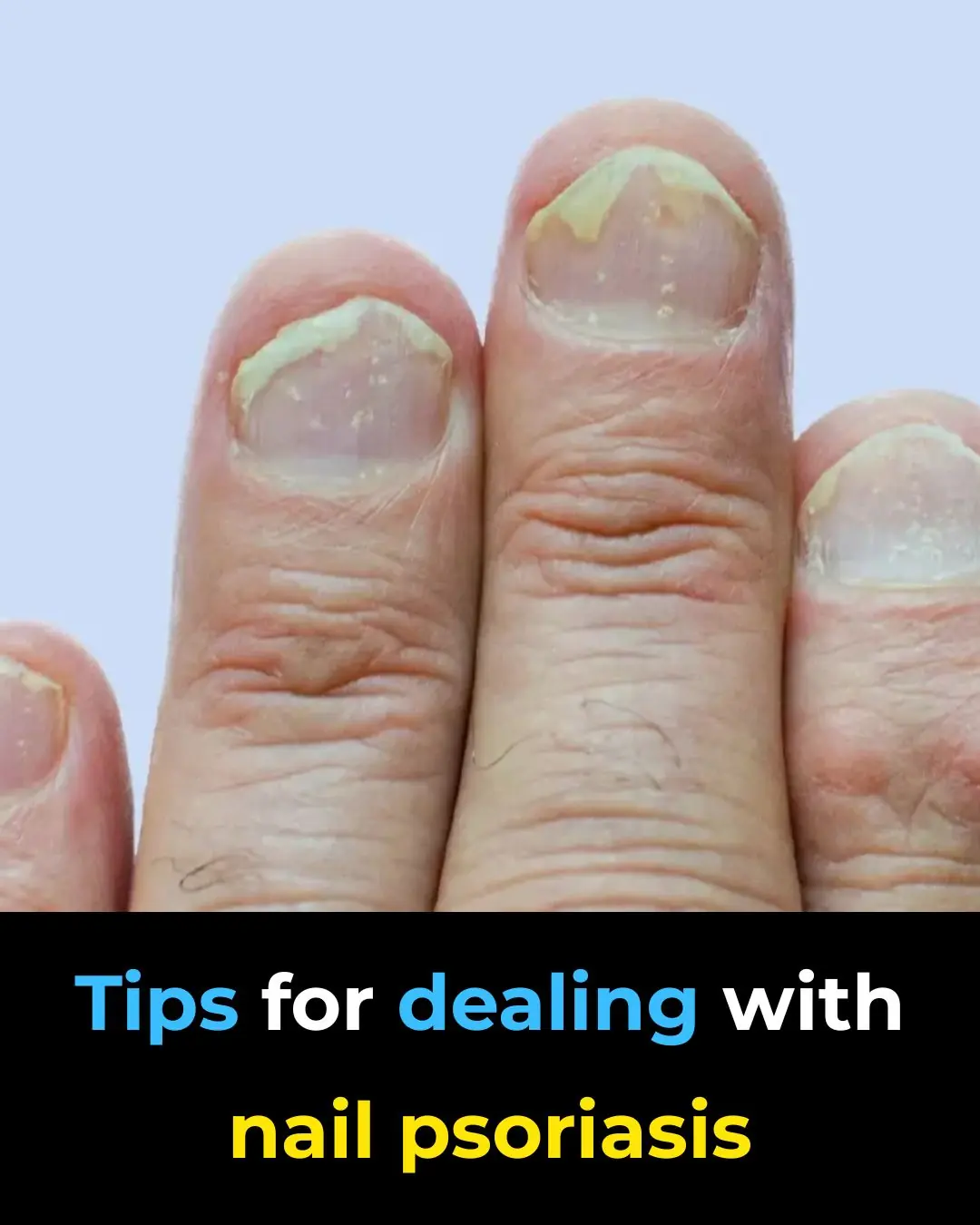
Tips for Dealing With Nail Psoriasis
Health 23/12/2025 08:03
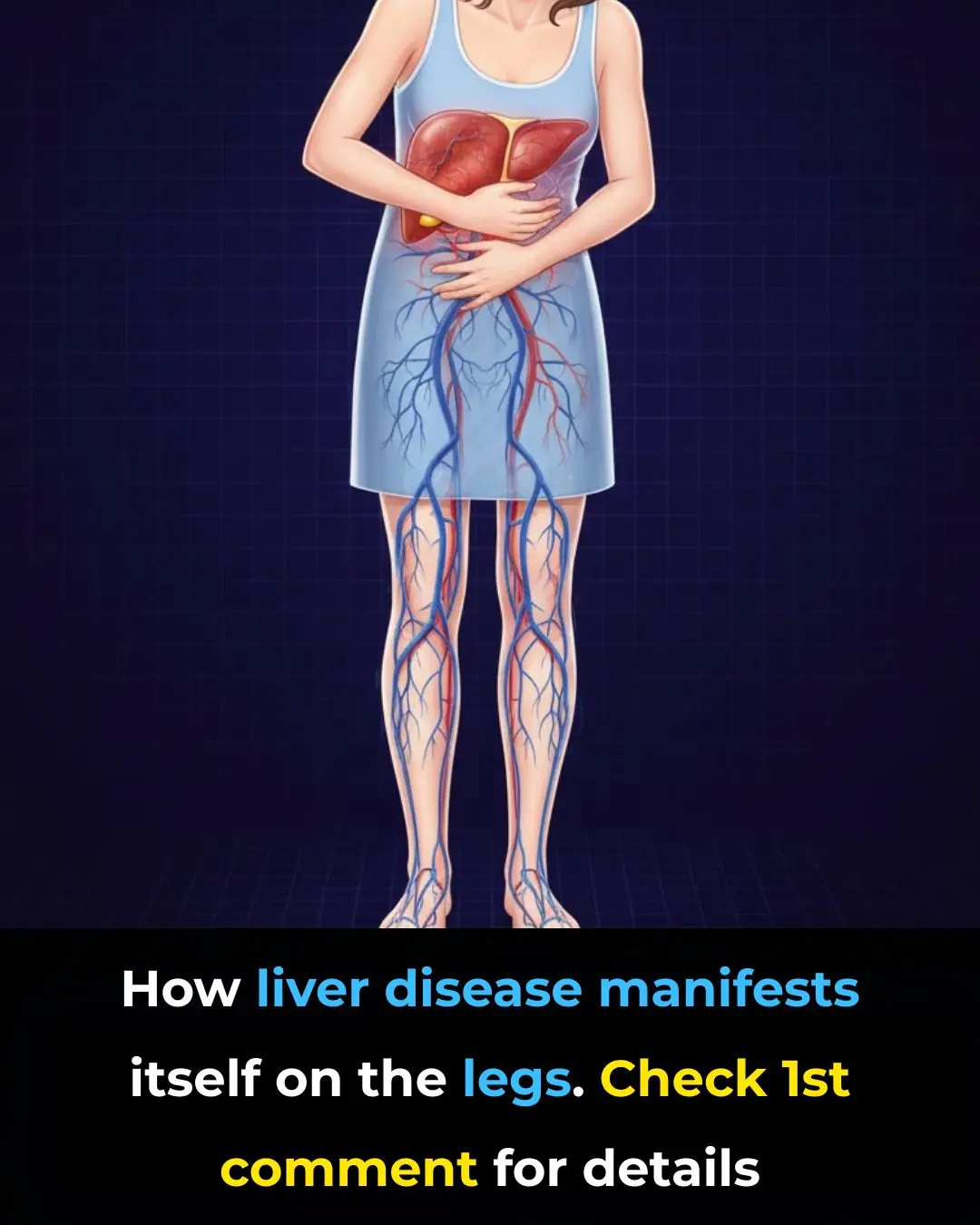
The liver, being the second largest and one of the hardest-working organs in the body, plays a crucial role in metabolizing nutrients and detoxifying the bloodstream. Therefore, maintaining liver health is vital for overall well-being.
When liver damage occurs, whether due to fatty liver disease, hepatitis, alcohol misuse, autoimmune issues, or cirrhosis, the consequences aren't confined to the abdomen. In fact, the legs often show some of the earliest signs of trouble. Swelling, bruising, itching, muscle thinning, and slow-healing wounds in the legs can all be subtle indicators of liver dysfunction. Recognizing these changes early can lead to a timely diagnosis and more effective treatment.
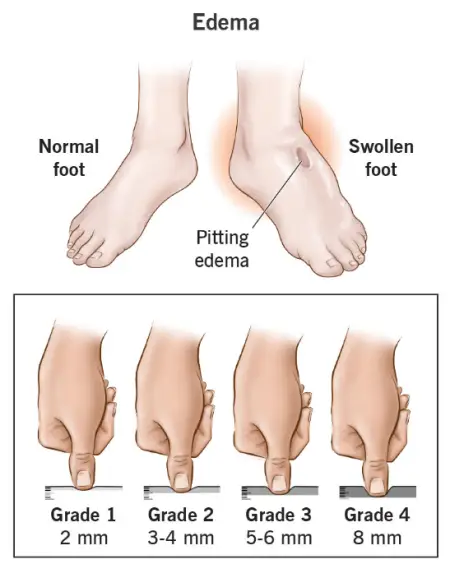
Early-stage liver disease often causes swelling in the feet and lower legs, a condition known as peripheral edema. This occurs when fluid leaks from the blood vessels and accumulates in the tissues. Low albumin levels and high pressure in the liver's circulation contribute to this fluid buildup in the legs. Common symptoms include heaviness, tight skin, and a pitting sensation when pressure is applied. The swelling usually worsens at night but improves after elevating the legs.
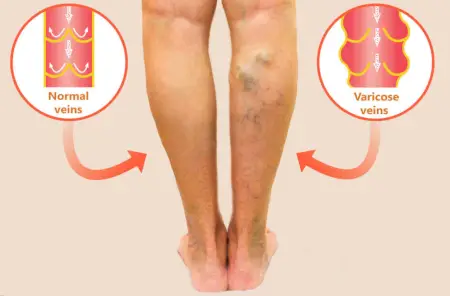
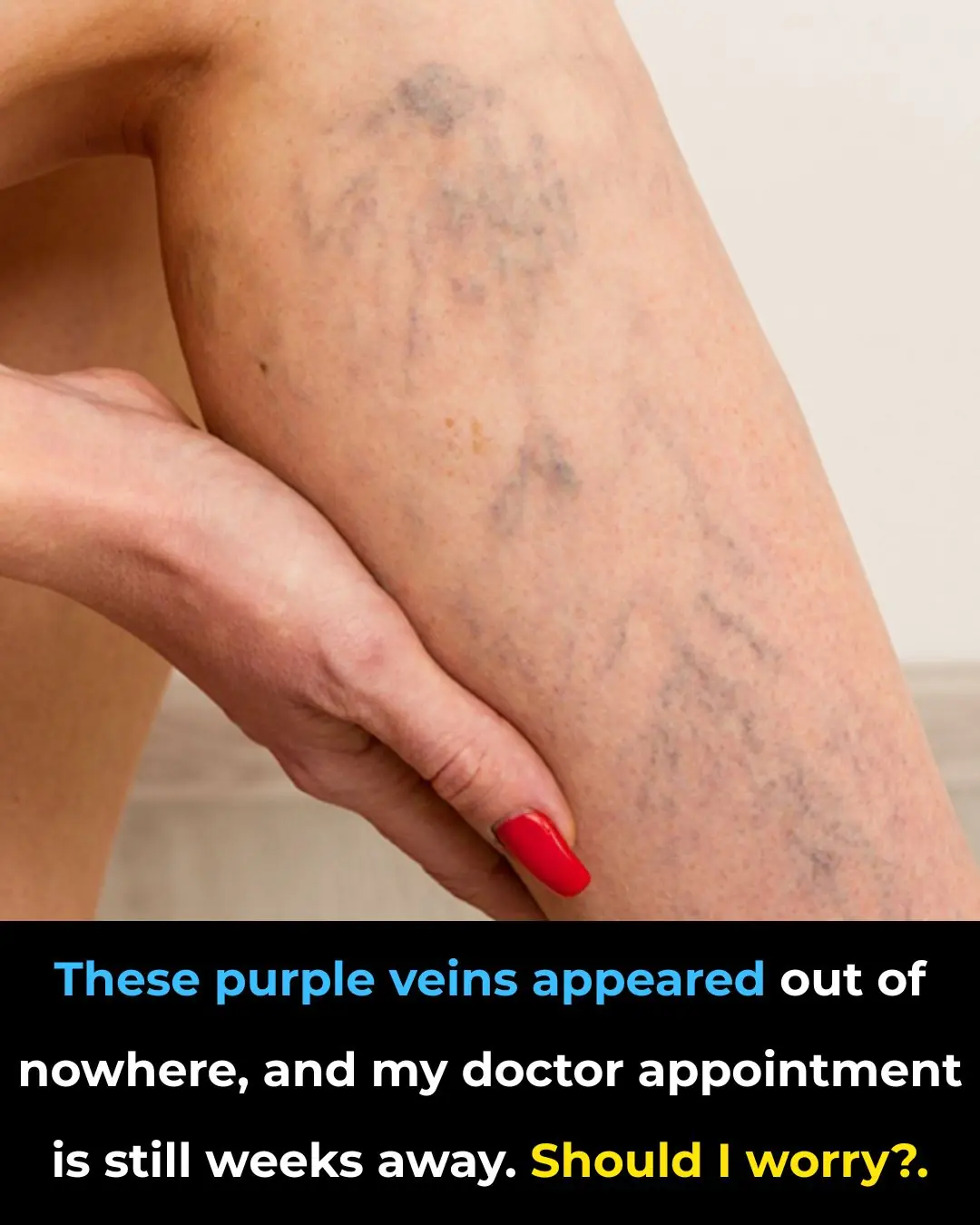
Individuals with long-term liver disease may develop spider veins or enlarged veins on the thighs and calves. This happens because the liver struggles to break down estrogen properly, leading to higher hormone levels that weaken blood vessels. The result is the appearance of thin, web-like red or purple veins on the legs.
Persistent itching, especially on the shins and calves, can be an early sign of cholestasis, a condition in which bile fails to flow properly from the liver. This itching often occurs without a rash and can become unbearable, particularly at night. Over time, the skin may thicken, scar, or even become infected. The itching arises when bile salts accumulate in the bloodstream and irritate nerve endings in the skin. It's especially common in conditions such as biliary cirrhosis, fatty liver disease, and hepatitis.

If the legs bruise easily, even from mild contact, it may signal poor blood clotting caused by liver disease. The liver produces clotting factors, and damage to this organ impairs its ability to stop bleeding. Additionally, vitamin K absorption can decrease, leading to more prominent and darker bruises on the calves and thighs.
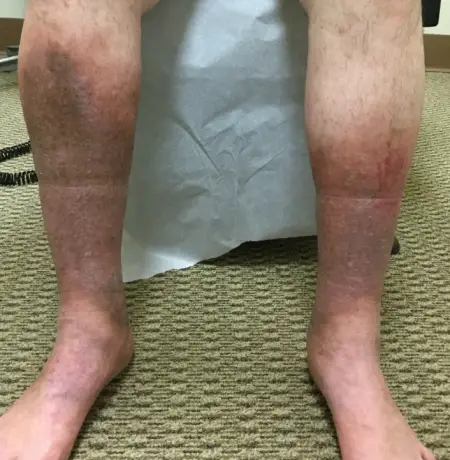
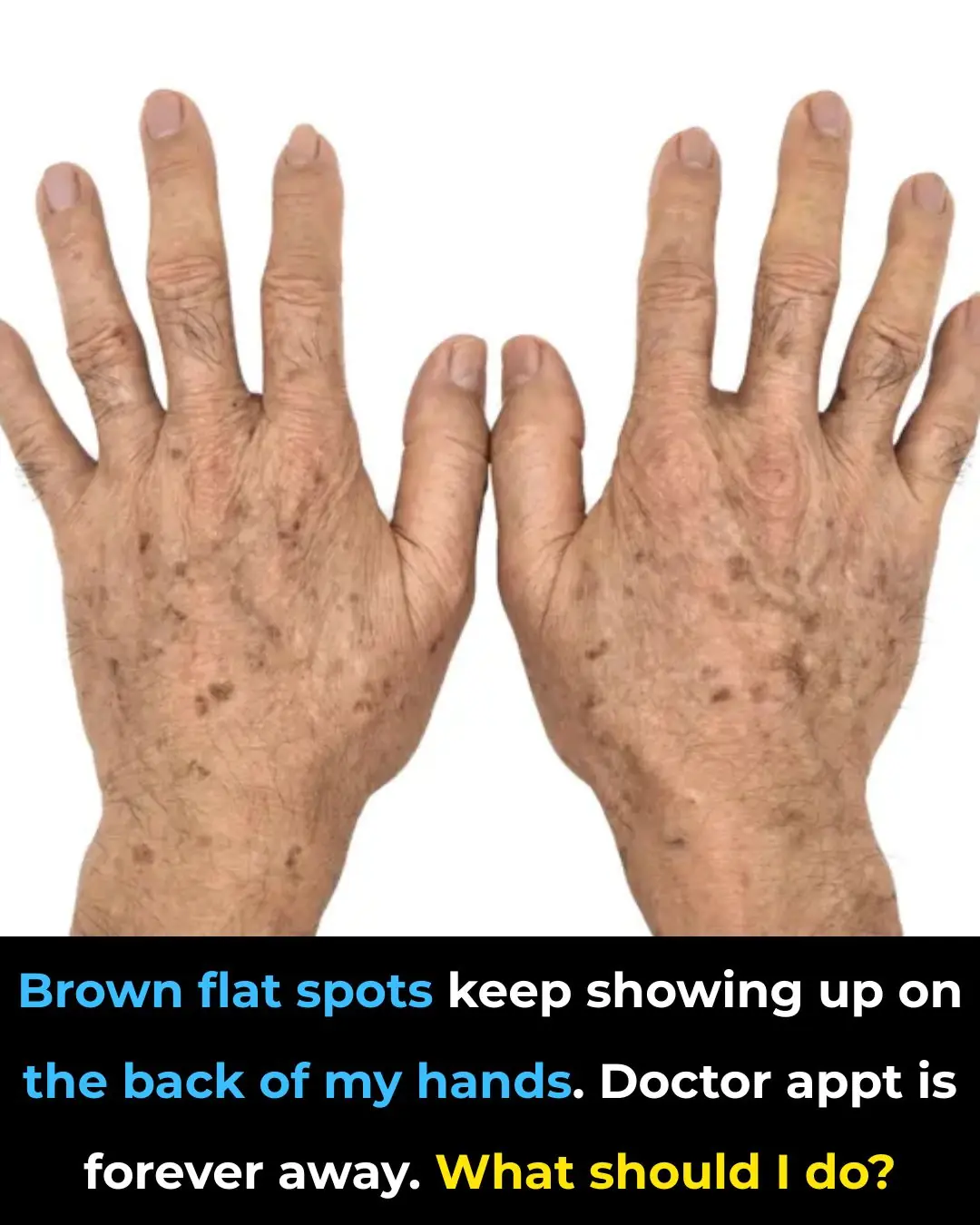
Certain liver conditions can cause dark brown, gray, or bronze patches to appear on the legs. This discoloration may result from iron overload, hormonal changes, or toxin buildup in the blood, and typically develops gradually. The patches are usually more visible in areas that are exposed to sunlight.
A more severe warning sign of liver damage is significant muscle loss, especially in the thighs and calves, even when the abdomen is swollen from fluid retention (ascites). This occurs because a damaged liver is unable to process protein properly, forcing the body to break down muscle tissue for energy. Ongoing inflammation accelerates this process. Symptoms of muscle wasting include difficulty standing, weak grip strength, unsteady walking, or visibly thinner legs. This pattern is often seen in end-stage liver disease and requires immediate medical intervention.
People with liver disease are prone to recurring skin infections, boils, cellulitis, and wounds that heal slowly. The impaired immune system, reduced circulation, low protein levels, and swelling that restricts oxygen flow to the tissues contribute to poor healing. Even small cuts on the legs can develop into serious infections.
If leg symptoms are accompanied by jaundice, confusion, black stools, vomiting blood, sudden abdominal swelling, or fever with painful, red legs, it is important to seek medical attention immediately.
Liver disease often progresses quietly, but the legs can reveal early warning signs. Swelling, itching, bruising, muscle loss, slow healing, and changes in veins are all signals of serious liver issues. Early diagnosis and treatment are crucial and can help save lives.