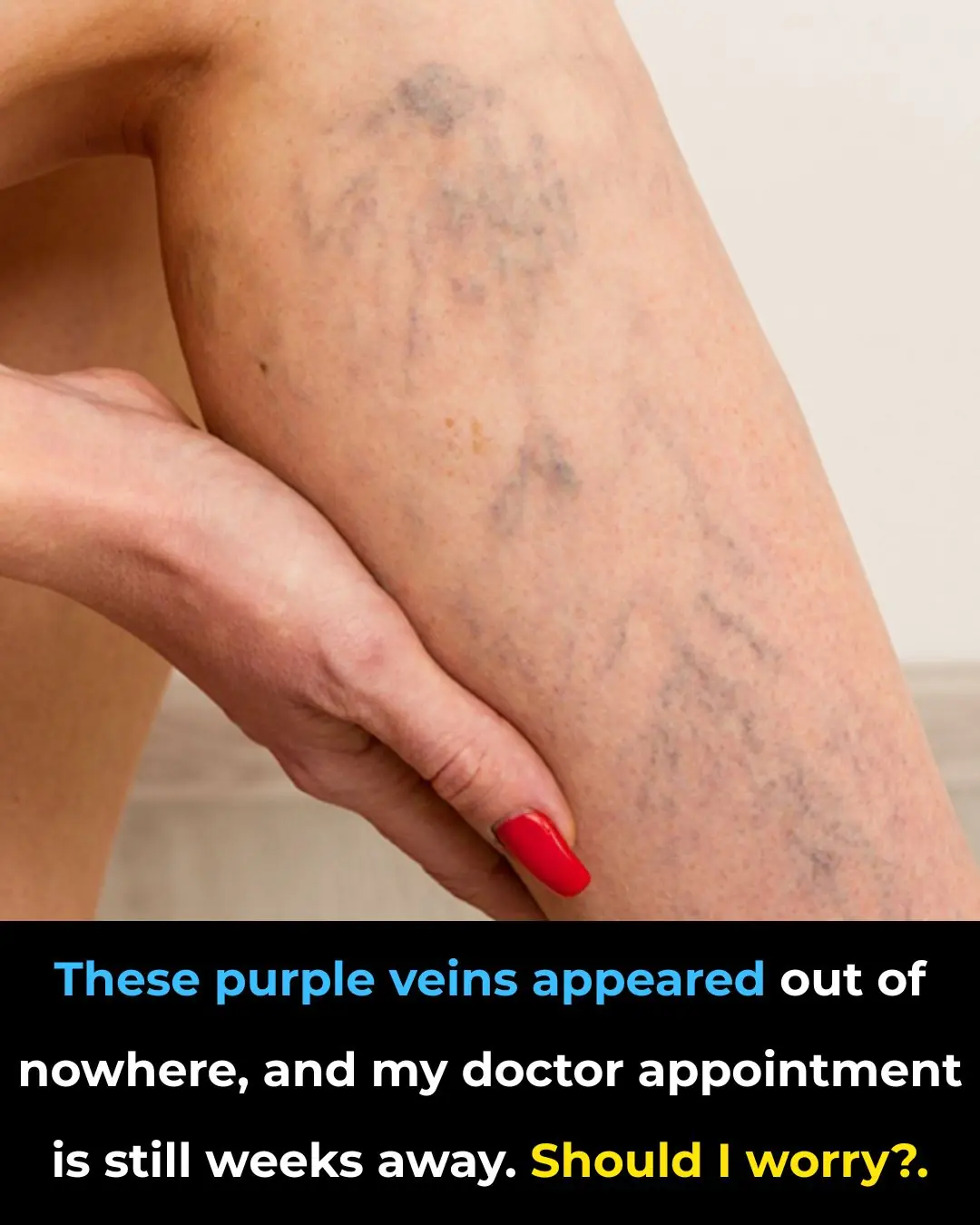
These purple veins appeared out of nowhere, and my doctor appointment is still weeks away. Should I worry?
Tips 22/12/2025 22:58
Cracked heels—medically known as heel fissures—are a very common foot condition that can be both uncomfortable and embarrassing. While dry skin on the feet is something many people deal with, severely dry heels can split open, forming deep cracks that may become painful. In some cases, these fissures can even bleed or become infected, turning what seems like a minor issue into a more serious health concern.
Many people instinctively reach for lotions or creams to treat cracked heels. While moisturizing products are helpful, they don’t always solve the problem—especially when the skin is very thick or deeply cracked. If you’ve been applying lotion faithfully with little improvement, it may be time to look at additional causes and more effective treatment strategies.
Heel fissures develop when the skin on the heels becomes extremely dry, thickened, and loses its natural flexibility. Because the heels bear much of the body’s weight, pressure from standing or walking causes the stiff skin to split open. The thicker the skin becomes, the more likely it is to crack under stress.
In advanced cases, fissures can become deep enough to cause pain while walking, bleeding, and an increased risk of infection. Treating heel fissures early is important to prevent complications and restore healthy skin.
Cracked heels often result from a combination of mechanical pressure and skin dryness. Some of the most common contributing factors include:
Prolonged standing, especially on hard surfaces
Wearing open-backed shoes or sandals
Obesity, which increases pressure on the heel pad
Aging, which reduces skin elasticity
Medical conditions such as diabetes, eczema, or hypothyroidism
Environmental factors also play a role. Cold weather, low humidity, and excessive exposure to hot water can strip moisture from the skin, making heels more vulnerable to cracking.
While lotions can help soften dry skin, they are often not enough on their own—especially for severe heel fissures. Many lotions are water-based and evaporate quickly, offering only short-term relief. They may also fail to penetrate thick callused skin.
If the heel skin is hardened, moisturizers can sit on the surface without reaching the deeper layers where healing is needed. In these cases, combining moisturizers with exfoliation and occlusive treatments (which seal in moisture) is far more effective.
Hydration plays a major role in skin elasticity and repair. When your body is dehydrated, skin becomes dry, fragile, and more prone to cracking—including the skin on your feet.
Drinking enough water daily supports skin health from the inside out. Additionally, using a humidifier in dry indoor environments can help maintain moisture levels in the skin, particularly during winter months or in air-conditioned spaces.
Exfoliation is one of the most important—and often overlooked—steps in treating cracked heels. Removing dead, thickened skin allows moisturizers to penetrate more deeply and work more effectively.
Using a pumice stone or foot file after soaking your feet can gently reduce calluses. Aim to exfoliate once or twice a week. Avoid aggressive scrubbing, as this can worsen cracks or cause irritation.
Soaking your feet in warm water for 10–15 minutes helps soften hardened skin and prepares it for exfoliation. Adding ingredients like Epsom salts can help reduce inflammation, while apple cider vinegar may help soften thick skin due to its mild acidity.
After soaking, it’s crucial to dry your feet thoroughly and immediately apply a thick moisturizer or heel balm to lock in moisture.
Wearing the wrong shoes can make cracked heels worse. Open-backed footwear allows the heel pad to expand outward, increasing the likelihood of skin splitting. Shoes without cushioning also increase pressure on the heels.
Supportive shoes with closed backs, proper arch support, and shock absorption help reduce stress on the heels. Cotton or moisture-wicking socks can further protect the skin and reduce irritation.
Your diet directly impacts skin repair and strength. Nutrients such as vitamin E, vitamin C, omega-3 fatty acids, and zinc support skin regeneration and reduce inflammation.
Foods like fatty fish, nuts, seeds, leafy greens, and whole grains promote healthier skin. Maintaining a healthy weight can also reduce pressure on the heels, lowering the risk of fissures.
Some viral home remedies may offer temporary relief. For example:
Honey and coconut oil can moisturize and provide antibacterial benefits
Mashed banana masks may help soften dry skin
While these remedies can be soothing, they are not a substitute for consistent foot care. Results vary, and severe fissures often require stronger treatments.
If heel cracks are deep, painful, bleeding, or showing signs of infection—such as redness, swelling, or discharge—you should seek medical care. A podiatrist or dermatologist may prescribe medicated creams, remove thickened skin safely, or treat infections.
People with diabetes or circulation issues should never ignore cracked heels, as even small wounds can lead to serious complications.
Healthy heels require ongoing care. To prevent fissures:
Moisturize daily with thick heel creams
Exfoliate regularly but gently
Wear supportive, closed-back shoes
Stay hydrated
Address skin dryness early
Cracked heels are more than just a cosmetic problem—they can affect comfort, mobility, and overall foot health. If lotion alone isn’t working, a more comprehensive approach involving exfoliation, hydration, footwear, and lifestyle changes is often needed. With consistent care and early intervention, you can restore soft, healthy heels and prevent painful fissures from returning.