My heels are splitting open—no lotion helps. What else can I do? Should I see doc?
Tips 22/12/2025 23:03
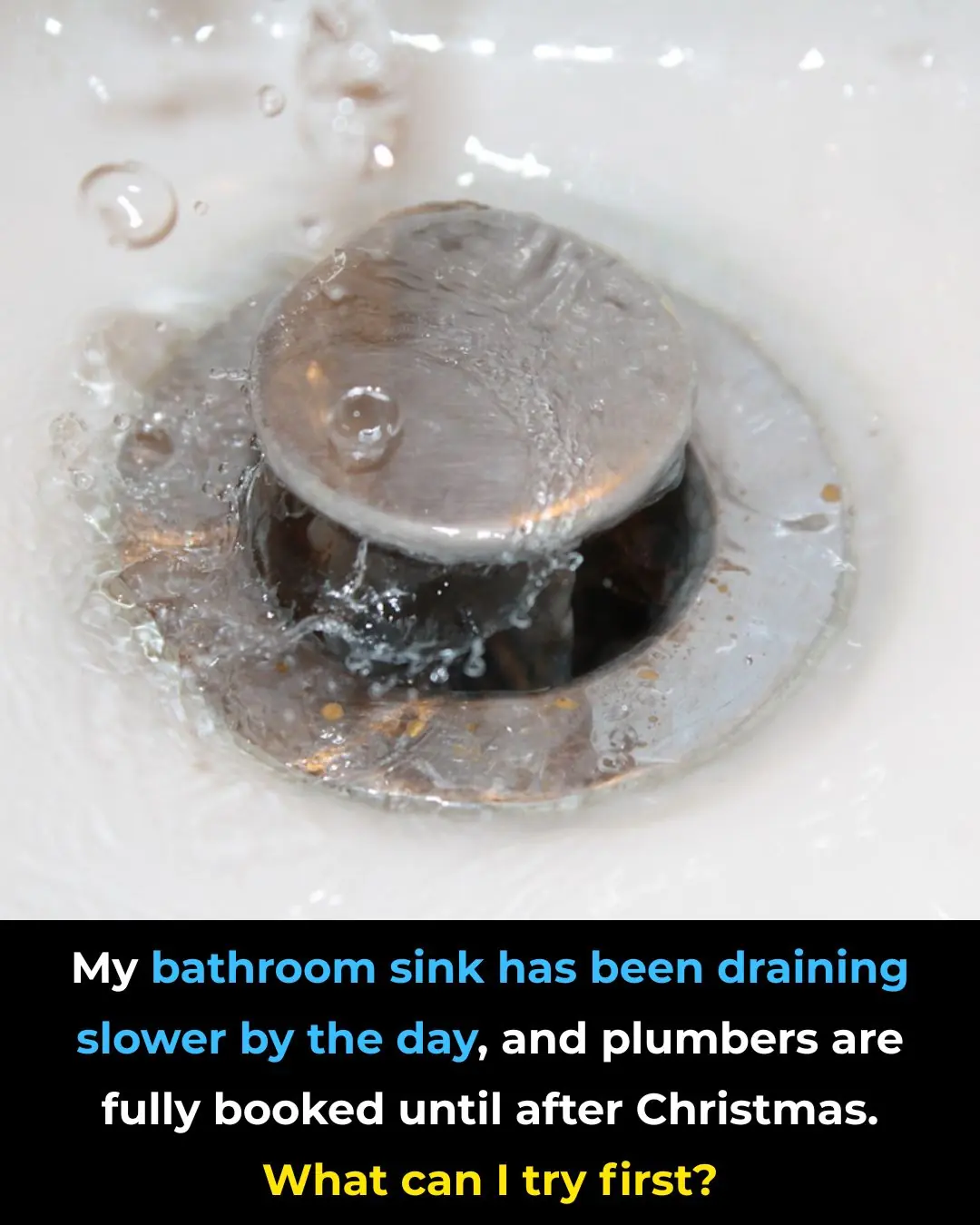
A slow-draining bathroom sink is one of those small household problems that can quickly become a daily annoyance—especially during the busy holiday season, when plumbers are booked solid and emergency visits come at a premium. Water pooling around the drain, unpleasant odors, and sluggish flow can disrupt your routine and make your bathroom feel far less hygienic than it should.
The good news? Many slow-draining sink problems are caused by simple, localized clogs that can be resolved with patience, basic tools, and items you already have at home. Before you resort to harsh chemicals or wait weeks for professional help, there are several effective DIY solutions worth trying.
This comprehensive guide walks you through step-by-step methods—from the easiest checks to slightly more hands-on fixes—to help restore proper drainage safely and efficiently.
Before attempting any repair, take a moment to determine whether the issue is isolated.
Turn on the faucets in other bathrooms, the kitchen, or the laundry sink and observe how quickly they drain.
If only one sink drains slowly, the clog is likely local and easy to fix.
If multiple drains are slow, the problem may lie deeper in your home’s plumbing system.
This simple test helps you avoid unnecessary work and alerts you early if a larger issue may require professional attention.
Bathroom sink stoppers are notorious for trapping hair, toothpaste residue, and soap scum.
Carefully remove the stopper—some lift straight out, while others require loosening a small rod beneath the sink. Once removed, clean off any visible buildup using a paper towel or old toothbrush.
In many cases, this step alone restores proper drainage. After cleaning, run water for a full minute to test the flow.
If the stopper wasn’t the culprit, hair may be lodged slightly deeper in the drain.
A simple plastic zip tie can be turned into an effective hair-removal tool by cutting small notches along its edges. Insert it gently into the drain, twist, and pull upward to extract trapped debris.
Commercial drain snakes work the same way and are especially useful for recurring hair clogs. This method is low-risk and highly effective for early-stage blockages.
Soap residue and oily buildup often coat the inside of drainpipes, narrowing the passage for water.
Carefully pour boiling water down the drain in stages, allowing it to work between pours. This helps melt and flush away soap scum and light grease.
⚠️ Important:
This method is safest for metal pipes.
Avoid boiling water if your plumbing is PVC, as extreme heat may soften joints or cause damage.
A natural, pipe-safe alternative to chemical drain cleaners is the classic baking soda and vinegar method.
How to do it:
Pour ½ cup of baking soda into the drain
Follow with 1 cup of white vinegar
Cover the drain and let it fizz for 15–30 minutes
Flush with hot (not boiling) water
The bubbling reaction helps loosen grime and deodorize the drain without harming your pipes or the environment.
If the clog refuses to budge, a wet/dry vacuum can sometimes succeed where other tools fail.
Set the vacuum to liquid mode and create a tight seal over the drain using a damp cloth. Turn it on at full power to suction out debris lodged deeper in the pipe.
This method works best for loose or semi-solid clogs and can be surprisingly effective.
Plunging isn’t just for toilets—it works on sinks too when done correctly.
Proper technique:
Add enough water to cover the plunger’s cup
Block the overflow hole with a wet cloth
Use quick, firm plunges rather than slow pushes
The pressure changes can dislodge stubborn clogs trapped further down the line.
If water still drains slowly, the blockage may be sitting in the P-trap—the curved pipe under the sink designed to catch debris.
Place a bucket underneath, then unscrew the slip nuts and remove the trap. Clean out any buildup inside, rinse thoroughly, and reinstall it securely.
Although not glamorous, this step often provides immediate and dramatic results.
Many commercial drain cleaners promise fast results, but they can:
Corrode metal pipes
Damage older plumbing
Create dangerous fumes
Harm septic systems
Repeated use may worsen plumbing problems over time. Whenever possible, stick to mechanical or natural cleaning methods.
Once your sink drains properly again, prevention is key.
Install a drain strainer to catch hair
Flush the drain weekly with hot water
Use baking soda monthly to reduce buildup
Avoid rinsing thick products or oils down the sink
Small habits can prevent major clogs.
If you’ve tried every method and the sink still drains slowly—or if you hear gurgling sounds, smell sewage, or notice water backing up elsewhere—it’s time to wait for a plumber.
Persistent clogs may signal:
Blocked vent pipes
Main line obstructions
Structural pipe issues
Knowing when to stop DIY efforts can save you from costly repairs later.
A slow-draining bathroom sink doesn’t always require professional intervention. In most cases, the problem is caused by everyday buildup that can be safely removed with patience and the right approach.
By working through these steps—from simple checks to deeper cleaning—you can often restore proper drainage and keep your plumbing running smoothly until professional help is available.
Sometimes, the best fix isn’t expensive or complicated—it just requires knowing where to start.