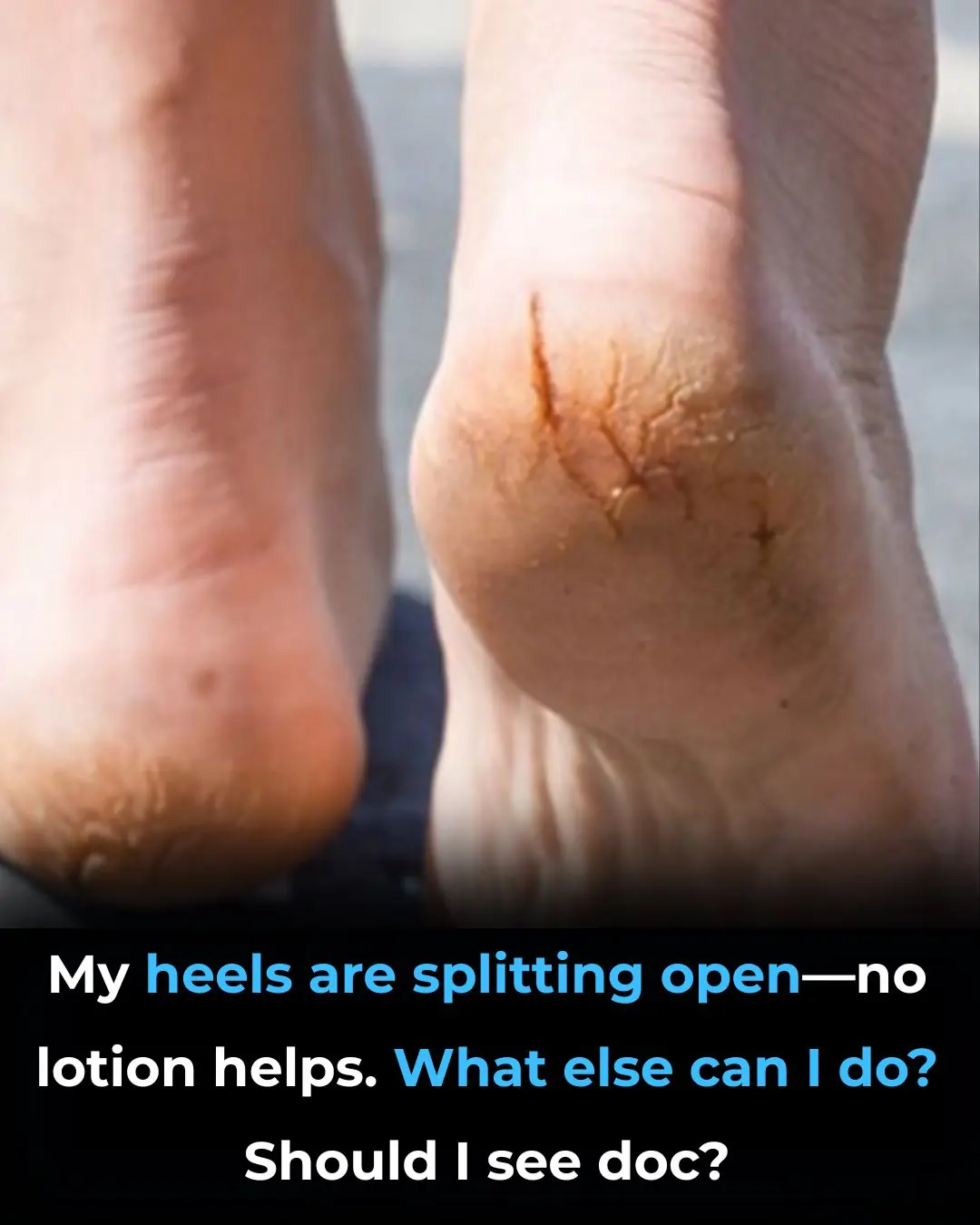
My heels are splitting open—no lotion helps. What else can I do? Should I see doc?
Tips 22/12/2025 23:03
Noticing new purple veins on your body can be surprising and even alarming—especially if they seem to appear suddenly. You may find yourself examining your skin closely, wondering whether these veins have always been there or if something has changed overnight. While waiting for a doctor’s appointment, it’s completely normal to feel uneasy and search for answers.
This article explores the most common reasons why purple veins may suddenly become visible, explains when they are usually harmless, and highlights warning signs that should not be ignored. It also provides practical steps you can safely take at home to support vein health while you wait to speak with a healthcare professional.
Purple veins that suddenly become visible are typically superficial veins, meaning they lie close to the surface of the skin. Their visibility can change due to shifts in circulation, skin thickness, or pressure within the veins. These veins can range from thin, thread-like lines to larger, more noticeable vessels that may appear slightly raised.
They can measure anywhere from a few millimeters to several centimeters and are often more noticeable on areas like the legs, arms, chest, or hands. Skin tone, body fat distribution, and hydration levels can also influence how visible veins appear at any given time.
Two of the most common types of visible veins are spider veins and varicose veins, and while they may look similar, they differ in size and impact.
Spider veins are small, flat, and web-like. They are usually red, blue, or purple and sit very close to the surface of the skin. They rarely cause pain and are often considered a cosmetic issue.
Varicose veins are larger, twisted, and bulging veins that usually appear on the legs. They may feel heavy or achy and can worsen after long periods of standing or sitting.
Understanding which type you’re seeing can help guide expectations and conversations with your doctor.
In many cases, newly visible veins are not dangerous. Common harmless triggers include:
Aging-related skin thinning
Genetics
Recent weight loss
Increased physical activity
Heat exposure
Veins often become more prominent after exercise or hot showers because blood vessels naturally expand. If the veins are painless, not growing rapidly, and not associated with other symptoms, they are usually benign.
Although most visible veins are harmless, certain symptoms require prompt medical attention. These include:
Sudden pain or tenderness
Significant swelling in one limb
Skin warmth or redness over a vein
Skin ulcers or open sores
Sudden vein hardening
These symptoms could indicate inflammation, infection, or a clot-related condition and should be evaluated as soon as possible.
Many daily activities affect circulation and vein pressure:
Standing or sitting for long periods
Crossing your legs frequently
Poor posture while using screens
Hot showers or baths
Lack of movement slows blood return to the heart, increasing pressure in surface veins. Over time, this can make veins more noticeable.
Hormonal changes—especially involving estrogen—can relax vein walls and affect circulation. This explains why visible veins often appear during:
Puberty
Pregnancy
Menopause
Pregnancy increases blood volume and pressure on veins, particularly in the legs. Weight gain increases vein pressure, while weight loss can reduce the fat layer that normally hides veins, making them more visible.
Social media is full of vein-related tips, but not all are safe or effective. Helpful suggestions like leg elevation, compression socks, and regular movement are backed by medical evidence.
However, unproven topical remedies—such as vinegar, toothpaste, or aggressive massage—can irritate skin and offer little benefit. Always be cautious with viral trends and prioritize methods supported by healthcare professionals.
You can support vein health at home by:
Elevating your legs 15–30 minutes daily
Wearing compression stockings
Staying physically active (walking is excellent)
Drinking enough water
Avoiding prolonged sitting or standing
These steps help improve circulation and may reduce swelling or discomfort.
Sometimes, visible veins can indicate chronic venous insufficiency, where blood struggles to return to the heart. Warning signs include:
Persistent swelling
Skin darkening or thickening
Leg fatigue or heaviness
Slow-healing sores
Sudden pain or one-sided swelling could also point to a clot and requires urgent evaluation.
Your doctor will likely:
Review your symptoms and medical history
Examine the veins visually and by touch
Ask about lifestyle habits and family history
An ultrasound may be ordered to assess blood flow and rule out clots. From there, your doctor will recommend monitoring, lifestyle changes, or treatment if needed.
Treatment depends on severity and symptoms. Options include:
Compression therapy
Sclerotherapy
Laser treatments
Minimally invasive vein procedures
These treatments are generally effective and often require little downtime.
Healthy vein habits include:
Regular exercise
Maintaining a healthy weight
Avoiding smoking
Eating a fiber-rich, nutrient-dense diet
Taking breaks from prolonged sitting or standing
Small daily habits can significantly reduce future vein problems and improve overall circulation.
Sudden purple veins can be unsettling, but they are often harmless and related to normal changes in circulation, skin, or lifestyle. Understanding the possible causes and knowing when to seek medical advice can help reduce anxiety and ensure timely care. With proper awareness and preventive habits, you can protect your vein health now and in the future.