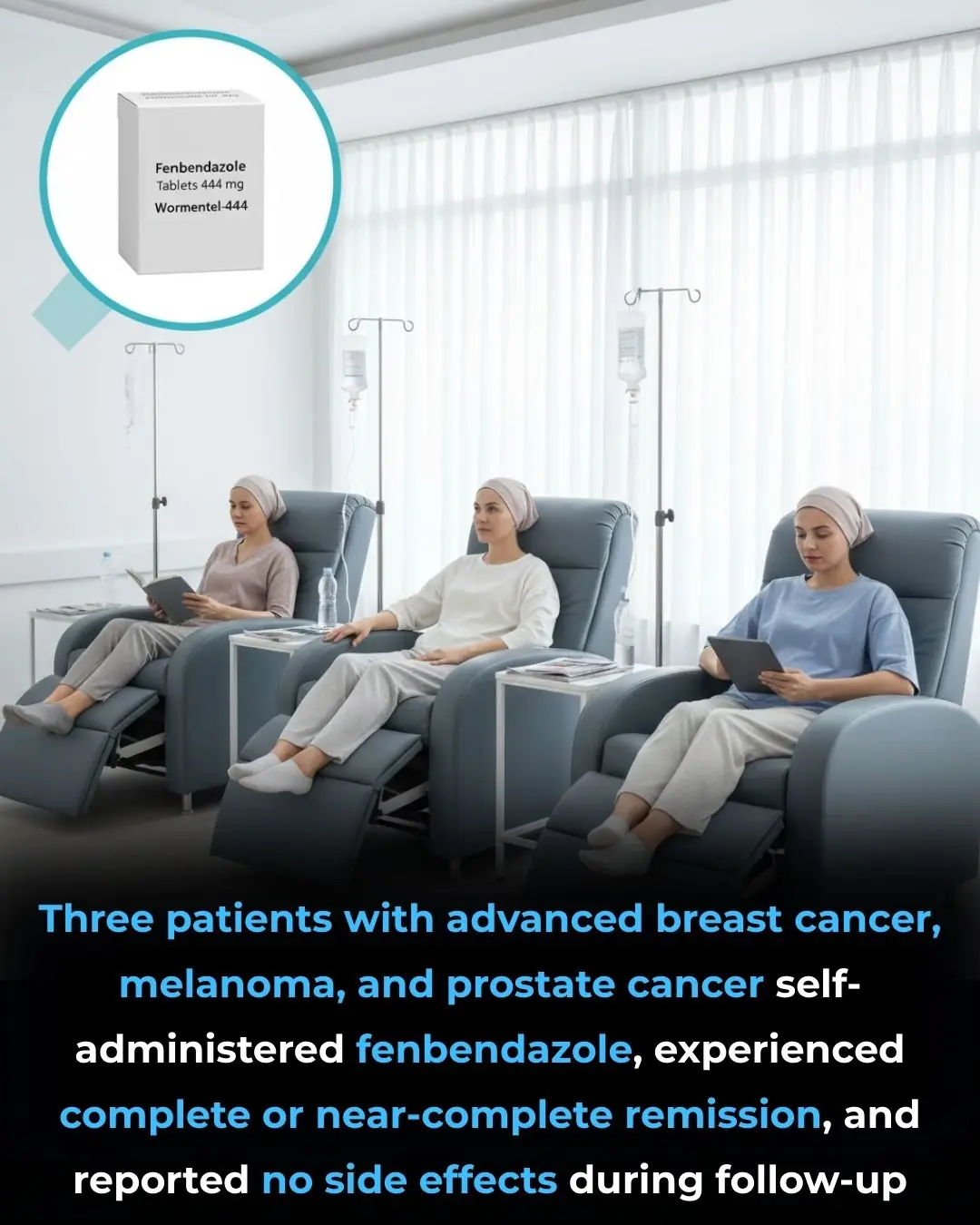
Fenbendazole and Unexpected Cancer Remission: Insights from a 2024 Case Report
Health 23/12/2025 00:16

Good blood circulation is essential for overall health and well-being. Proper circulation allows oxygen-rich blood and vital nutrients to reach all organs, tissues, and cells in the body while also helping remove waste products. When circulation is poor, many uncomfortable symptoms can appear, such as cold hands and feet, swelling in the ankles or feet, tingling sensations in the arms or legs, fatigue, dizziness, headaches, and even hair thinning or loss.
Fortunately, there are many natural and practical ways to improve blood flow. Simple lifestyle changes—such as eating the right foods, exercising regularly, managing stress, and staying well hydrated—can significantly enhance circulation and support long-term cardiovascular health.
In this article, you will learn what blood circulation is, why it is so important, and the most effective natural strategies to improve blood flow throughout your body.
Blood circulation is controlled by the heart, which is located slightly to the left of the breastbone. According to Dr. James Beckerman on WebMD, the heart beats approximately 100,000 times per day and pumps nearly 2,000 gallons of blood throughout the body. Blood travels through arteries, veins, and capillaries, delivering oxygen and nutrients while removing waste products and toxins.
Healthy circulation helps maintain normal blood pressure, regulate body temperature, balance pH levels, and ensure that every cell functions properly. Without efficient blood flow, organs and tissues cannot perform at their best, increasing the risk of chronic illness.
Poor circulation can affect the entire body, but symptoms often appear first in the extremities, such as the fingers and toes. In more severe cases, poor blood flow may lead to shortness of breath, chest pain, varicose veins, high blood pressure, and an increased risk of heart disease or stroke.
Several factors can negatively affect blood circulation. Aging and high blood pressure are two major contributors. As reported by The Ochsner Journal, aging causes arteries to lose elasticity and become narrower, forcing the heart to work harder to pump blood. This process often leads to increased blood pressure and reduced circulation.
Other common factors that impair blood flow include being overweight, smoking, diabetes, high cholesterol levels, chronic stress, and physical inactivity. Over time, these issues can damage blood vessels and increase the risk of cardiovascular disease.
Because circulation plays such a critical role in overall health, taking steps to improve blood flow is one of the most effective ways to protect your heart and maintain vitality as you age.
Exercise is one of the most powerful ways to improve blood circulation. Any activity that increases your heart rate encourages blood to flow more efficiently throughout the body.
The American Heart Association recommends at least 150 minutes of moderate exercise per week. Regular physical activity improves circulation, lowers cholesterol, helps control weight, reduces stress, and significantly decreases the risk of heart disease.
If you are not used to exercising, start gradually with walking. Other excellent options include swimming, cycling, jogging, climbing stairs, or playing recreational sports.
Stretching is a simple yet effective way to boost circulation, especially if you sit for long periods. Stretching helps relax tight muscles and improves blood flow to tissues and organs.
A 2016 study found that regular stretching positively affects the cardiovascular system by increasing circulation and improving vascular function. Taking short breaks to stretch and walk throughout the day can counteract the negative effects of prolonged sitting.
Massage stimulates circulation by increasing blood flow to muscles and soft tissues. It also helps reduce inflammation, muscle tension, and toxin buildup.
Massaging the legs and feet is particularly helpful for people who experience poor circulation in their lower limbs. Research published in Medical Science Monitor showed that massage increases skin temperature and enhances blood flow to the treated area.
Using essential oils such as rosemary or peppermint diluted in a carrier oil can further enhance circulation. Studies show that rosemary oil improves blood flow and reduces pain, while peppermint oil increases scalp circulation and may promote hair growth.
A nutritious diet supports both immune function and vascular health. Focus on eating plenty of fruits, vegetables, whole grains, lean proteins, and healthy fats such as olive oil, nuts, seeds, avocados, and fatty fish.
Research published in the British Journal of Clinical Pharmacology found that nitrates in green leafy vegetables improve blood flow and vascular function. Foods such as garlic, berries, spinach, oats, green tea, and oily fish help protect arteries and promote healthy circulation.
Dehydration can reduce blood volume and impair circulation. Drinking enough water helps keep blood flowing smoothly and supports optimal muscle and organ function.
The Journal of Physiology reported that dehydration significantly reduces blood flow to muscles during physical activity, leading to fatigue, headaches, and muscle pain. Most people should aim for 8–12 glasses of water daily, increasing intake during exercise or hot weather.
While moderate caffeine intake may offer some health benefits, excessive consumption can negatively affect circulation. Studies show that too much caffeine can reduce blood flow to the brain and increase heart rate and blood pressure.
Alcohol has a similar effect. Although small amounts—such as one glass of red wine—may support heart health, excessive drinking constricts blood vessels and raises blood pressure, increasing the risk of cardiovascular disease.
Green tea is rich in antioxidants that protect blood vessels and promote circulation. Its compounds help blood vessels relax and dilate, improving blood flow.
Studies published in Current Medicinal Chemistry show that regular green tea consumption improves circulation and reduces the risk of coronary artery disease. Drinking two to three cups daily can support long-term heart health.
Excess salt contributes to high blood pressure and can directly affect blood vessel function. Reducing sodium intake helps blood vessels relax and improves circulation.
Avoid processed foods and choose low-sodium alternatives whenever possible. Be cautious with sauces, packaged meals, and condiments, which often contain hidden salt.
Ginkgo biloba is a well-known herbal remedy for improving circulation. It works by widening blood vessels and improving blood flow, particularly to the brain and extremities.
Research shows that ginkgo can help reduce symptoms of poor circulation in the legs and may support cognitive function by increasing cerebral blood flow.
Warm water therapy improves circulation by relaxing blood vessels and reducing muscle tension. Taking warm baths or using a sauna encourages blood flow and lowers blood pressure.
Studies show that soaking in warm water for 30 minutes improves circulation, while sauna use can enhance cardiac function and oxygen delivery throughout the body.
Contrast hydrotherapy—alternating between hot and cold water—stimulates circulation by encouraging blood vessels to expand and contract. This technique is especially effective for improving circulation in the arms and legs.
If you experience poor circulation in your legs, elevating them above heart level helps reduce swelling and improve blood flow. Elevation is especially beneficial for people with varicose veins, leg cramps, or prolonged sitting habits.
Chronic stress constricts blood vessels and reduces circulation. Studies show that stress significantly decreases blood flow, while relaxation techniques improve vascular function.
Practices such as deep breathing, meditation, laughter, and mindfulness can reduce stress and improve circulation naturally.
Smoking damages blood vessels, increases plaque buildup in arteries, and severely restricts circulation. Even secondhand smoke negatively affects vascular health.
Quitting smoking is one of the most powerful steps you can take to improve blood flow and reduce the risk of heart disease.
Certain foods naturally enhance circulation:
Ginger – stimulates blood flow and supports heart health
Dark chocolate – helps blood vessels dilate
Garlic – improves blood flow and reduces arterial plaque
Cayenne pepper – increases circulation through capsaicin
Deep breathing improves oxygen delivery, enhances blood and lymph circulation, and promotes relaxation. Studies show that combining deep breathing with gentle movement improves blood flow in major veins, especially in the legs.
Improving blood circulation does not require drastic changes. By making consistent, healthy lifestyle choices—such as staying active, eating well, managing stress, and avoiding harmful habits—you can significantly boost blood flow and protect your cardiovascular health for years to come.