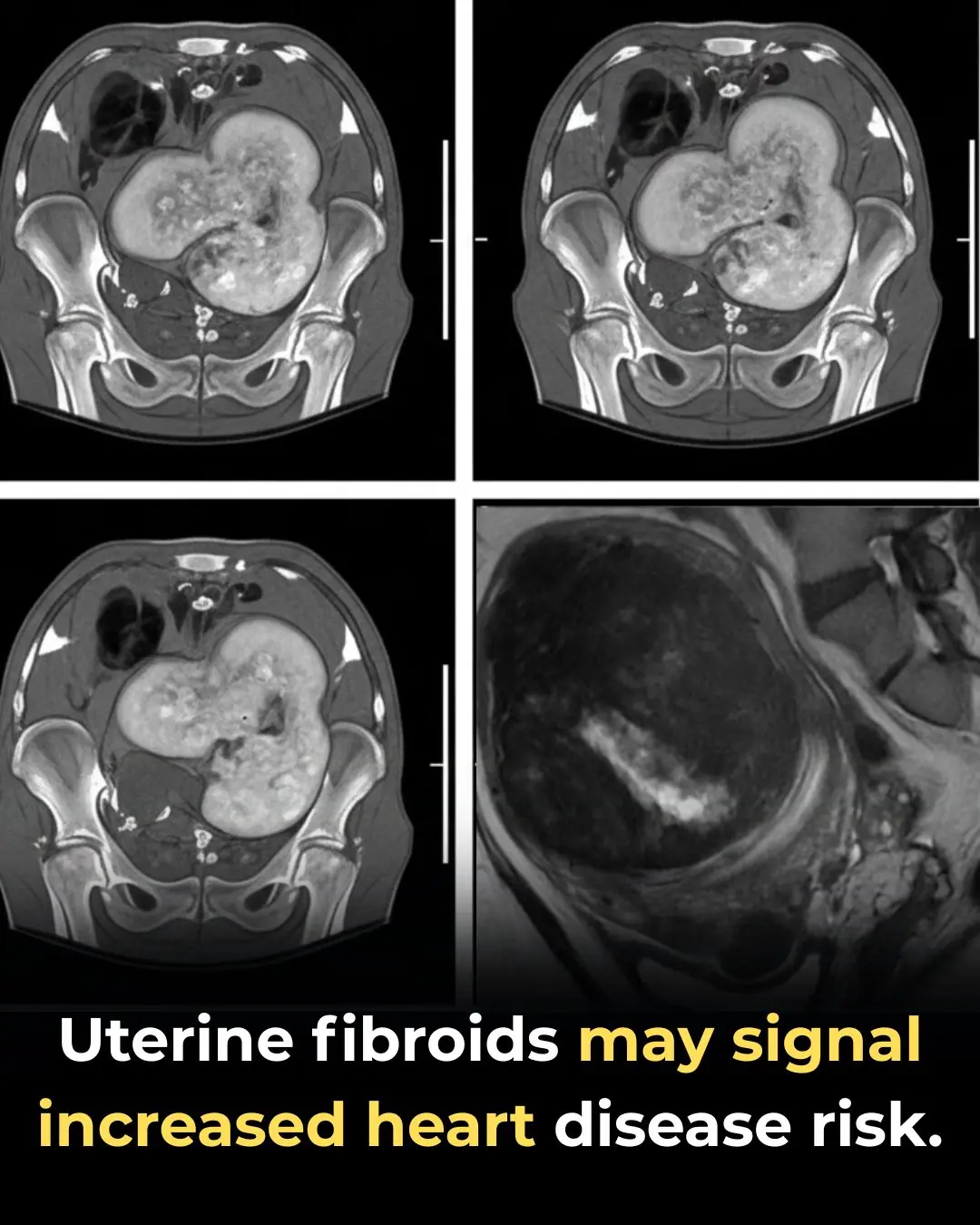
Uterine Fibroids May Signal Increased Risk of Heart Disease, New Research Suggests
Health 22/12/2025 12:47
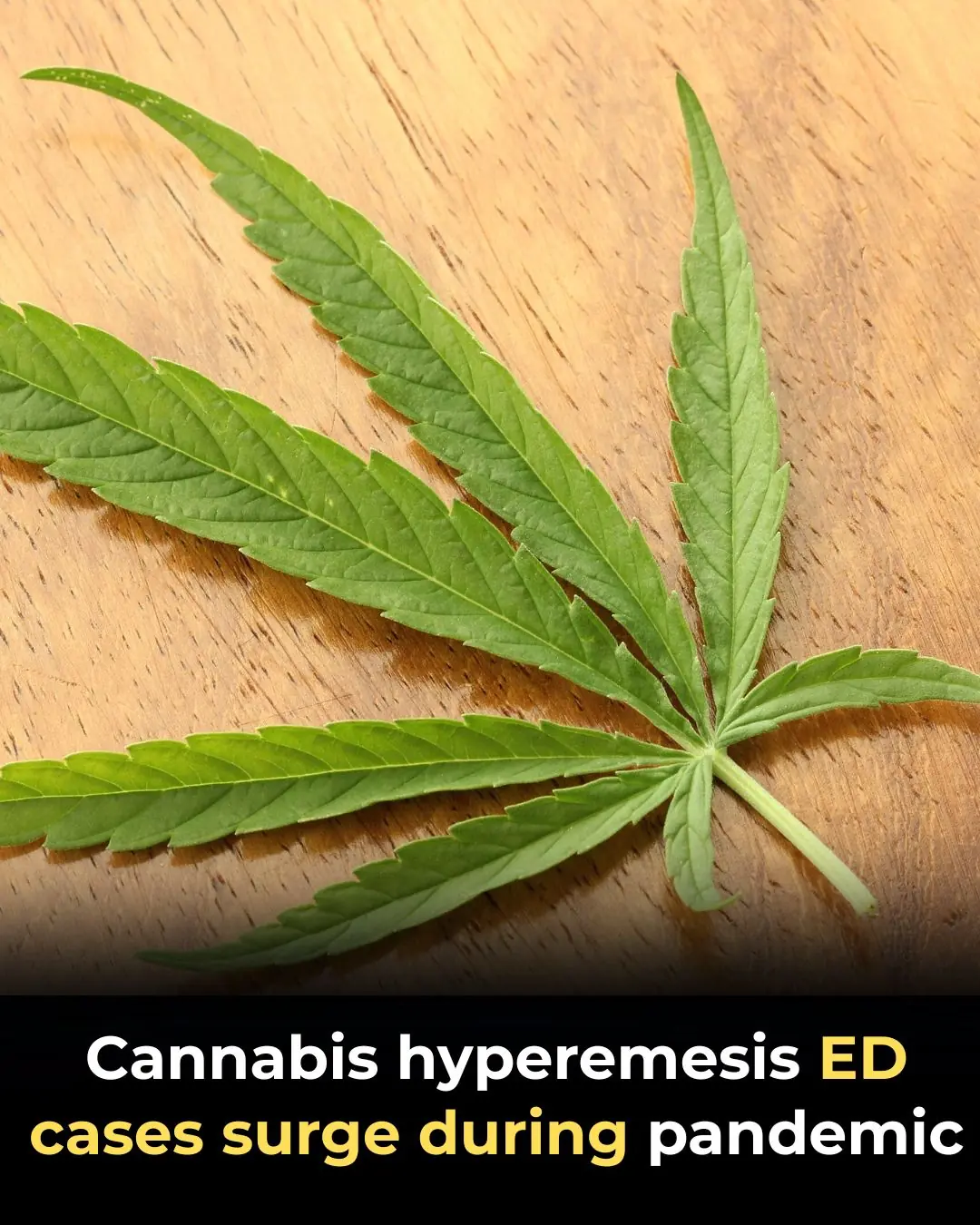
Over the past decade, cannabis use has become increasingly widespread, driven by legalization, changing social attitudes, and perceptions of safety. However, alongside these shifts, a lesser-known but serious condition has emerged more prominently in hospitals: Cannabinoid Hyperemesis Syndrome (CHS).
Recent data reveal a striking rise in emergency department (ED) visits related to this condition. Between 2016 and 2022, ED visits for CHS increased from 4.36 to 22.33 per 100,000 visits, with an alarming peak of 33.06 during the COVID-19 pandemic. This surge highlights a growing public health issue that many cannabis users — and even healthcare providers — still underestimate.
Cannabinoid Hyperemesis Syndrome is a condition characterized by recurrent episodes of severe nausea, vomiting, and abdominal pain in individuals who use cannabis regularly, often daily or multiple times per week over long periods.
Ironically, cannabis is widely known for its anti-nausea properties. Yet in some chronic users, prolonged exposure to cannabinoids appears to disrupt the body’s normal regulation of the gastrointestinal system, leading to persistent and debilitating symptoms.
Intense, uncontrollable vomiting
Persistent nausea
Abdominal pain or cramping
Dehydration and electrolyte imbalances
Temporary relief from hot showers or baths, a hallmark sign of CHS
Because these symptoms mimic other gastrointestinal disorders, CHS is frequently misdiagnosed, leading to repeated emergency visits and extensive testing.
Between 2016 and 2022, cannabis use rose significantly, particularly in regions where recreational and medical marijuana became legal. The pandemic further accelerated this trend, as many people turned to cannabis to cope with stress, anxiety, boredom, and social isolation.
Higher frequency, higher potency products — including concentrates and edibles — increased overall cannabinoid exposure, raising the risk of CHS.
The COVID-19 pandemic created a perfect storm:
Lockdowns limited access to social support and healthcare
Mental health struggles intensified
Daily routines were disrupted
Many users reported increased frequency and dosage of cannabis during this period. The data reflect this change, with CHS-related ED visits peaking at 33.06 per 100,000 visits, far above pre-pandemic levels.
Another contributing factor may be improved recognition of CHS among emergency physicians. As medical literature expanded and awareness increased, clinicians became more likely to identify cannabis as the underlying cause of unexplained vomiting syndromes.
While this does not fully explain the magnitude of the rise, it likely contributed to more accurate reporting and coding of CHS cases.
CHS places a significant strain on emergency healthcare systems. Patients often:
Require repeated ED visits
Undergo extensive imaging and laboratory testing
Need intravenous fluids, antiemetics, and pain management
Unfortunately, standard anti-nausea medications often provide little relief for CHS, leading to prolonged ED stays and frustration for both patients and providers.
Despite various symptomatic treatments, the only definitive cure for CHS is stopping cannabis use entirely. Most patients experience symptom resolution within days to weeks after cessation, but relapse is common if cannabis use resumes.
This presents a major challenge, as many patients:
Do not believe cannabis is causing their symptoms
Use cannabis for anxiety, pain, or sleep
Experience withdrawal symptoms when stopping
Effective treatment often requires education, counseling, and long-term behavioral support.
The dramatic rise in CHS-related ED visits underscores a critical need for:
Better public education about the risks of chronic cannabis use
Clear warnings alongside legalization efforts
Improved screening for cannabis use in patients with unexplained vomiting
As cannabis becomes more accessible, understanding its potential harms — not just its benefits — is essential.
The increase in emergency department visits for Cannabinoid Hyperemesis Syndrome from 4.36 to 22.33 per 100,000 visits, with a pandemic peak of 33.06, is not just a statistic — it reflects a growing and underrecognized health issue.
CHS challenges the widespread belief that cannabis is harmless and highlights the complex ways long-term use can affect the body. As legalization and use continue to expand, awareness, early diagnosis, and prevention will be crucial to reducing unnecessary suffering and strain on healthcare systems.