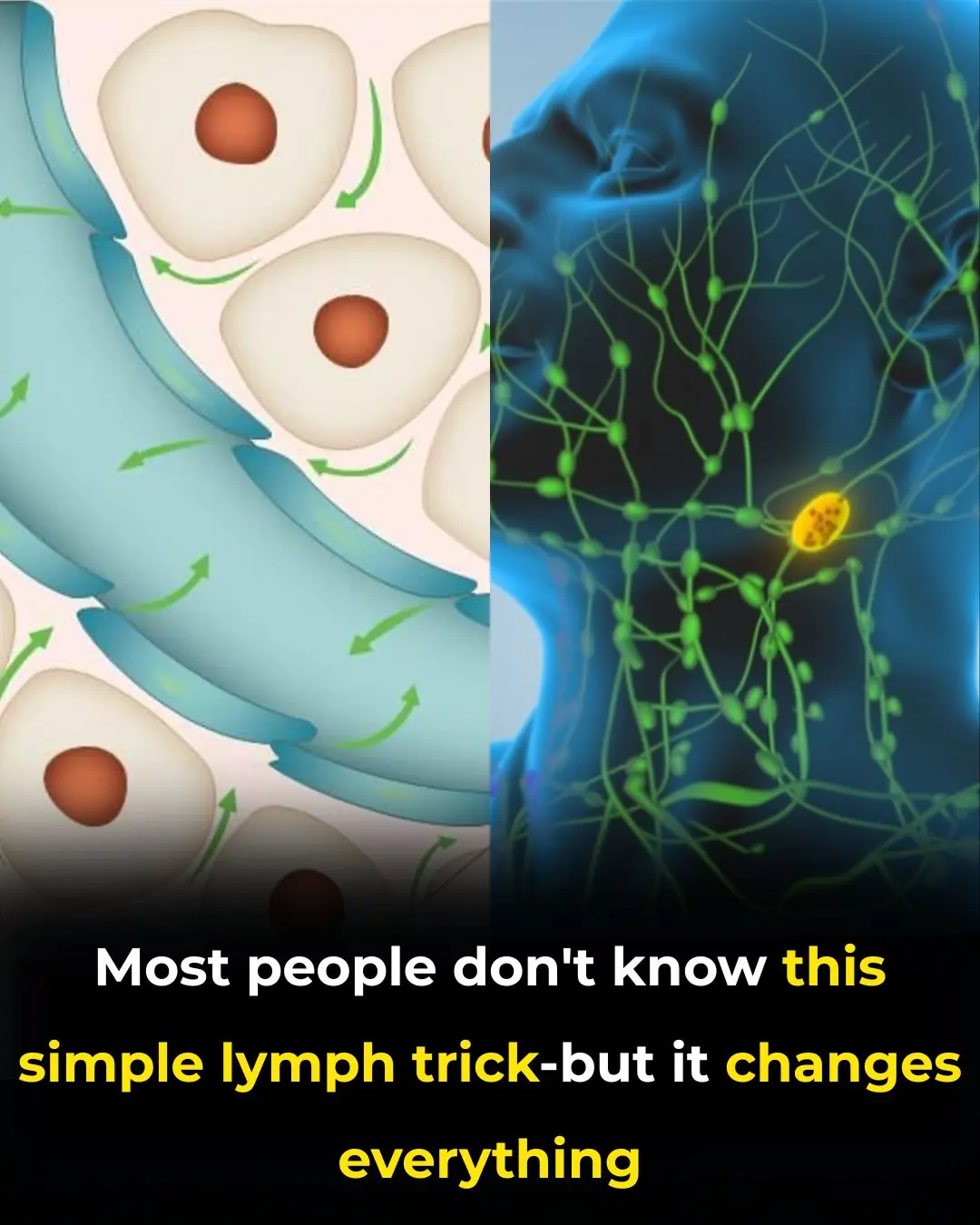
Quickly Drain You Lymph System Using Theses Simple Techniques to Boost Immunity and Remove Toxins
Health 21/12/2025 22:05
A recent human study published in Future Microbiology examined how vitamin C supplementation influences the gut microbiome, providing new insights into the nutrient’s role beyond its traditional antioxidant functions. Researchers analyzed before-and-after stool samples from 23 adults who had been prescribed vitamin C by their physicians. Using next-generation sequencing and shotgun metagenomic analysis, the team discovered a statistically robust increase in the genus Bifidobacterium (p = 0.0001), affecting multiple species within this beneficial bacterial group.
Significant microbiome shift: Vitamin C intake led to a clear and targeted increase in Bifidobacterium, a result rarely seen with single-nutrient interventions in humans.
Broad species impact: The rise was not limited to one strain but spanned several species within the genus.
Potential gut-mediated benefits: The findings suggest that vitamin C’s well-known effects in infectious and inflammatory conditions may be mediated through the gut microbiome, not solely through its antioxidant activity.
Bifidobacterium is a cornerstone of a healthy gut ecosystem. It is closely associated with:
Immune regulation: Helping balance immune responses and reduce excessive inflammation.
Pathogen resistance: Competing with harmful bacteria and producing metabolites that inhibit pathogen growth.
Gut barrier support: Strengthening intestinal lining integrity, which prevents leakage of toxins and pathogens into the bloodstream.
These functions align with vitamin C’s established role in supporting immune defense, suggesting a possible synergy between nutrient intake and microbiome modulation.
The study adds to a growing body of evidence linking dietary nutrients to microbiome composition. While probiotics and dietary fiber are well known to influence gut bacteria, few single vitamins have demonstrated such a consistent and targeted effect.
A review in Nature Reviews Gastroenterology & Hepatology (2023) highlighted the importance of micronutrients in shaping microbial communities, though most evidence has been indirect.
The World Health Organization (WHO) has emphasized the role of diet and micronutrients in maintaining gut health, particularly in populations vulnerable to infection and inflammation.
Research from the National Institutes of Health (NIH) has shown that microbiome shifts can directly affect systemic immunity, metabolic health, and even neurological outcomes.
If replicated in larger trials, these findings could reshape how clinicians view vitamin C supplementation. Instead of being considered solely an antioxidant or immune booster, vitamin C may be recognized as a microbiome-modulating agent. This opens potential therapeutic avenues for:
Inflammatory bowel disease (IBD)
Infectious diseases where gut microbiota play a role in pathogen resistance
Metabolic disorders linked to microbiome imbalance
The study was relatively small, involving only 23 participants, and focused on short-term supplementation. Future research should explore:
Dose-response relationships (different amounts of vitamin C)
Long-term effects on microbiome stability and health outcomes
Comparisons with other micronutrients to determine whether vitamin C is unique in its targeted impact
The Future Microbiology study provides compelling evidence that vitamin C supplementation can selectively increase Bifidobacterium in the human gut, a rare and notable finding in nutrition science. By highlighting a gut-mediated mechanism for vitamin C’s benefits, the research expands our understanding of how this essential nutrient supports health. With further validation, vitamin C could be recognized not only as an antioxidant but also as a strategic modulator of the gut microbiome, reinforcing its role in immune regulation, pathogen defense, and intestinal integrity.
Credible sources for context:
Future Microbiology (2025) – Original vitamin C microbiome study
Nature Reviews Gastroenterology & Hepatology (2023) – Micronutrients and microbiome interactions
World Health Organization (2023) – Diet and gut health guidance
National Institutes of Health (NIH) – Microbiome and systemic immunity research