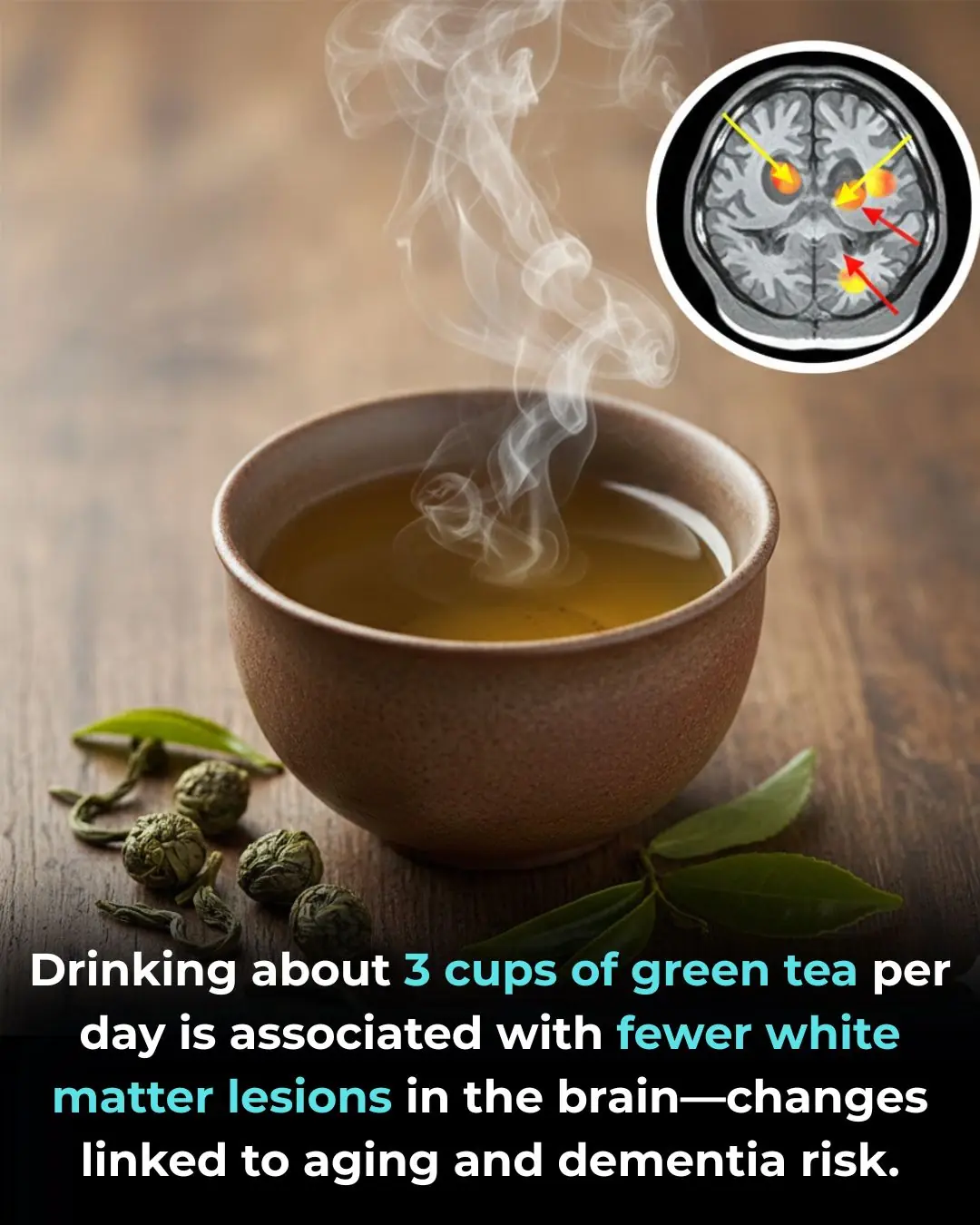
Drinking about 3 cups of green tea per day is associated with fewer white matter lesions in the brain—changes linked to aging and dementia risk
Health 20/12/2025 22:56
Magnesium Supplementation and Rapid Improvement in Major Depression
Major depressive disorder is a leading cause of disability worldwide, often requiring long-term pharmacological and psychological treatment. Conventional antidepressant medications can take weeks to exert noticeable effects and may produce significant side effects. As a result, there has been sustained interest in identifying faster, safer, and more accessible interventions. One such approach was described in the paper “Rapid recovery from major depression using magnesium treatment” (PMID: 16542786), which reported strikingly rapid improvements in depressive symptoms following magnesium supplementation.
The paper presented several detailed case histories of individuals diagnosed with major depression who were treated with relatively modest doses of magnesium, ranging from 125 to 300 mg per day. Magnesium was administered in highly bioavailable forms, specifically magnesium glycinate or magnesium taurinate, taken with meals and at bedtime. Remarkably, the authors reported that many patients experienced marked improvement in mood within fewer than seven days, a timeframe considerably shorter than that typically associated with standard antidepressant therapies.
Beyond improvements in core depressive symptoms, magnesium supplementation was also associated with relief from a broad range of related conditions. Patients reported reductions in anxiety, improved sleep quality, decreased irritability, enhanced memory and concentration, greater emotional stability, and diminished tendencies toward substance abuse. This broad spectrum of effects suggests that magnesium may influence multiple neurobiological systems involved in mood regulation, stress response, and cognitive function.
The authors hypothesized that magnesium deficiency may play a causal role in the development or persistence of depressive symptoms. Modern dietary patterns were identified as a potential contributing factor, particularly the widespread consumption of refined grains, which are depleted of magnesium during processing, and the use of demineralized drinking water. Chronic psychological stress and excessive calcium intake were also proposed as mechanisms that could reduce intracellular magnesium availability. Importantly, the authors emphasized neuronal magnesium deficiency rather than low serum magnesium, noting that standard blood tests may fail to detect functionally relevant deficits within the central nervous system.
From a mechanistic perspective, magnesium is known to regulate N-methyl-D-aspartate (NMDA) receptors, modulate synaptic plasticity, and influence neurotransmitter release. Deficiency in neuronal magnesium may lead to excessive excitatory signaling, impaired stress resilience, and dysregulation of mood-related neural circuits. By restoring magnesium levels, supplementation may rapidly normalize neuronal signaling and alleviate depressive symptoms.
Despite the promising nature of these observations, the authors clearly acknowledged the limitations of their work. The report was based on uncontrolled case histories rather than randomized clinical trials, making it impossible to exclude placebo effects, spontaneous remission, or reporting bias. Additionally, the small number of cases limits generalizability. As such, the findings should be interpreted as hypothesis-generating rather than definitive clinical evidence.
In conclusion, the paper “Rapid recovery from major depression using magnesium treatment” provides intriguing evidence that magnesium supplementation may lead to rapid and broad improvements in major depressive disorder (Medical Hypotheses, 2006). While larger, well-controlled trials are required to confirm efficacy and establish clinical guidelines, this work highlights the potential importance of micronutrient status—particularly magnesium—in mental health and suggests a low-cost, biologically plausible avenue for further research into depression treatment.