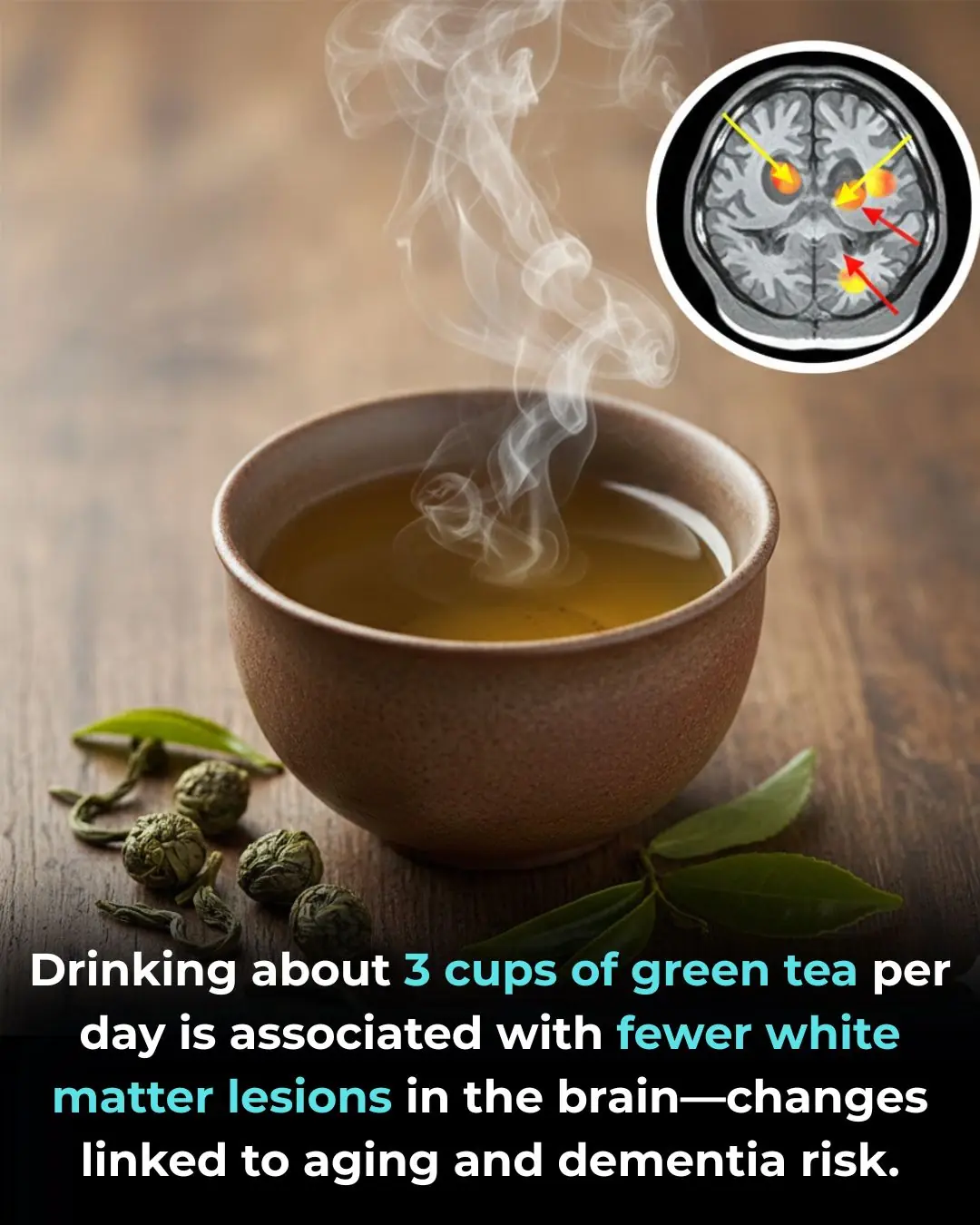
Drinking about 3 cups of green tea per day is associated with fewer white matter lesions in the brain—changes linked to aging and dementia risk
Health 20/12/2025 22:56
High-Dose Thiamine and Fatigue Relief in Hashimoto’s Disease: Insights from a Case Series
Chronic fatigue is one of the most disabling and persistent symptoms reported by patients with autoimmune hypothyroidism caused by Hashimoto’s disease. Notably, this fatigue often persists even when thyroid hormone levels are normalized through standard replacement therapy, suggesting that mechanisms beyond thyroid hormone deficiency may be involved. In this context, a small but intriguing 2013 case series offered a novel perspective by proposing a link between cellular thiamine metabolism and severe fatigue in Hashimoto’s disease.
The case series, published in BMJ Case Reports (PMID: 24351023), described three patients with autoimmune hypothyroidism who suffered from long-standing, debilitating fatigue that significantly impaired daily functioning. Despite appropriate thyroid hormone treatment, their fatigue remained refractory. The researchers administered high-dose thiamine (vitamin B1) at 600 mg per day, either orally or through equivalent parenteral dosing, far exceeding standard nutritional recommendations. Remarkably, all three patients experienced complete or near-complete resolution of fatigue.
Fatigue severity was systematically measured using the Fatigue Severity Scale (FSS), a validated clinical tool commonly used in chronic disease research. Improvements were both rapid and profound. Two of the patients reported significant relief within hours of thiamine administration, while the third experienced marked improvement within a few days. Such a rapid response strongly suggested a metabolic mechanism rather than a slow hormonal or structural change.
Importantly, the authors observed that thyroid hormone levels remained stable throughout treatment, indicating that the improvement in fatigue was not mediated by changes in circulating thyroid hormones. Instead, they proposed the concept of a “functional thiamine deficiency” at the cellular level. Thiamine is an essential cofactor for several key enzymes involved in mitochondrial energy production, including pyruvate dehydrogenase and α-ketoglutarate dehydrogenase. Impairment of these pathways can lead to reduced adenosine triphosphate (ATP) generation, manifesting clinically as profound fatigue.
The researchers hypothesized that autoimmune processes in Hashimoto’s disease might interfere with thiamine transport into cells or inhibit thiamine-dependent enzymatic activity. Under such conditions, normal dietary intake of thiamine may be insufficient to meet cellular energy demands, even in the absence of a classic nutritional deficiency. By administering very high doses of thiamine—a strategy referred to as “mass-loading”—the authors suggested that passive diffusion or alternative transport mechanisms could bypass the underlying defect, restoring mitochondrial function and rapidly alleviating fatigue.
Despite the striking nature of these findings, the authors were careful to emphasize the limitations of their report. The case series included only three patients, lacked a control group, and was not blinded, making placebo effects or spontaneous improvement impossible to exclude. As such, the results cannot be generalized or used to establish clinical guidelines. Nevertheless, the consistency, speed, and magnitude of the response raise important questions about the role of micronutrient metabolism in autoimmune disease–related fatigue.
In conclusion, the 2013 case series published in BMJ Case Reports presents preliminary but compelling evidence that high-dose thiamine may dramatically reduce chronic fatigue in some patients with Hashimoto’s disease (BMJ Case Reports, 2013). While these observations require confirmation through larger, controlled clinical trials, they highlight a potentially overlooked metabolic dimension of autoimmune hypothyroidism and suggest new avenues for research into fatigue that persists despite optimal hormonal treatment.