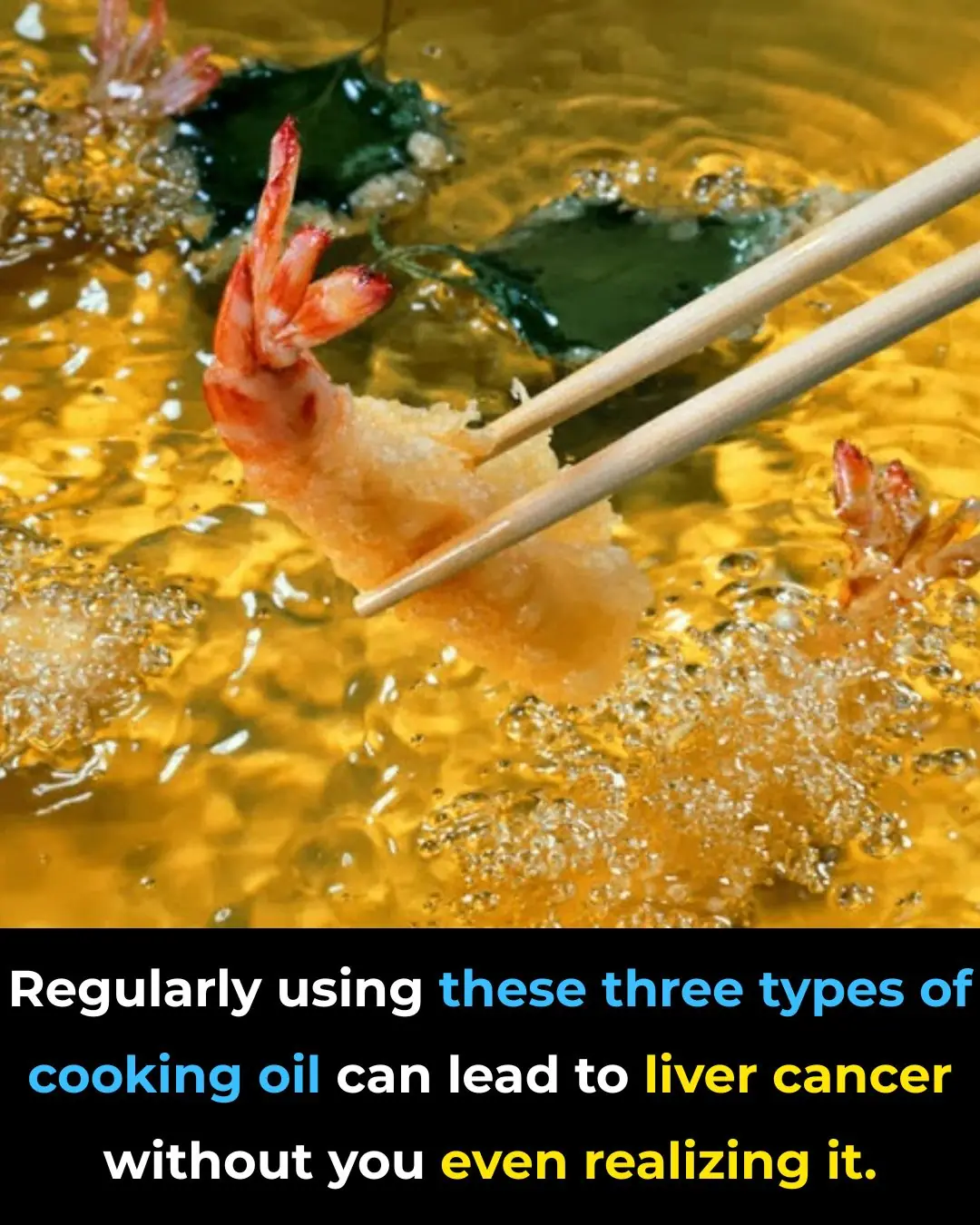
Regularly using these three types of cooking oil can lead to liver cancer without you even realizing it.
Tips 20/12/2025 16:44
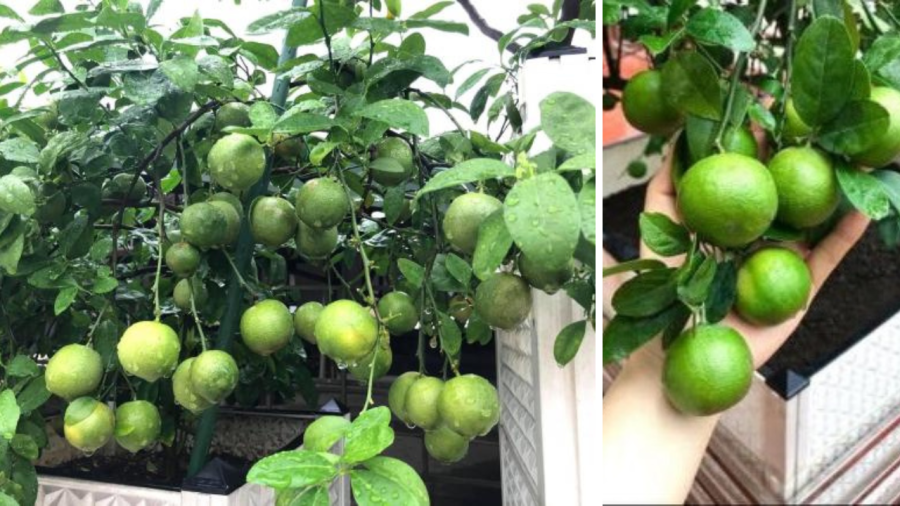
Below is a guide on how to grow lemons in pots for extremely high yields—simple and easy for anyone to do.
Lemons are widely used for beverages, seasoning, cooking, and many household tips. Growing a lemon tree at home helps you stay convenient and save money on buying lemons. In particular, growing lemons in pots does not take up much space and allows for quick harvesting. The article below will guide you through the simplest way to grow lemons in pots.
After understanding that lemon trees can be completely grown in pots and learning how to choose the right seedlings for successful planting, the next step is to start practicing how to grow lemon trees in pots.
Below are the items you need to prepare for growing lemon trees in pots:
A lemon seedling with sufficient branches, leaves, flowers, buds, and fruit.
A planting pot with a diameter of about 50–60 cm or larger.
Two small shovels for mixing the growing medium—a mixture that creates a favorable environment for plant growth.
Growing medium consisting of:
30% coconut fiber and rice husk
20% cow manure, chicken manure, or micronutrient fertilizer
50% garden soil, loamy soil, or alluvial soil
This mixture helps lemon trees grow well and stay healthy. Add Trichoderma to treat fungi in the soil.
Coal slag to help with drainage.
Once you have prepared all the necessary materials for planting lemon trees in pots, put the growing medium into the pot and use a shovel to mix it evenly. This mixture can also be used to grow other fruit trees such as pomelo or orange trees.
Next, place coal slag at the bottom of the pot to help with drainage, then put the prepared lemon seedling into the pot. If the seedling has too many roots, you can trim them without worrying about the plant dying. Lemon trees are easy to grow and very resilient; trimming the roots helps stimulate new root growth and allows the tree to develop faster.
After placing the lemon seedling, coal slag, and growing medium into the pot until it is nearly full, water the pot with a sufficient amount of water and place it in direct sunlight.
Lemon trees prefer sunlight and do not require excessive watering, so keeping them fully exposed to sunlight is ideal.
Water once or twice a day with a moderate amount—just enough to keep the soil moist. Overwatering can cause root rot and lead to the tree dying quickly. Every two months, apply fertilizer once to provide additional nutrients for the tree.
During the flowering stage, you can spray Calcium Boron on the flower buds to help increase fruit set. Calcium Boron not only helps lemon trees set fruit more easily but is also beneficial for chili plants, peach trees, and others.
When the lemon tree begins to bear fruit, if possible, crush or grind eggshells and mix them into the surface soil of the pot. Then sprinkle about two tablespoons of potassium powder around the base of the tree to help the fruits become firmer and reduce fruit drop. This should be done regularly every 10 days for better fruit quality.
In addition, when caring for lemon trees, be aware that they may be affected by pests such as leaf rollers, caterpillars, or citrus leaf miners. In such cases, you should use Radiant or a mixture of ginger, garlic, and chili once a month to prevent and control pests.
When growing lemon trees in pots, it is best to buy ready-grown seedlings from markets or plant nurseries instead of growing them from seeds. Pay close attention to choosing high-quality seedlings.
There are many types of lemons available today, such as seedless lemons, local lemons, and four-season lemons. Therefore, when buying seedlings, you should clearly identify which type of lemon you are purchasing. Choosing a plant that already has buds and flowers is the key to growing high-yield lemons in pots, as planting and care will then be much easier.
On the contrary, if you only buy a lemon tree with leaves without knowing the variety and without buds, flowers, or fruit, growing and caring for it will be more difficult. In many cases, trees grown for several years still fail to flower or bear fruit due to this reason.