4 "cancer culprits" lurking in your home, many people are exposed to daily without knowing it
Tips 20/12/2025 14:35
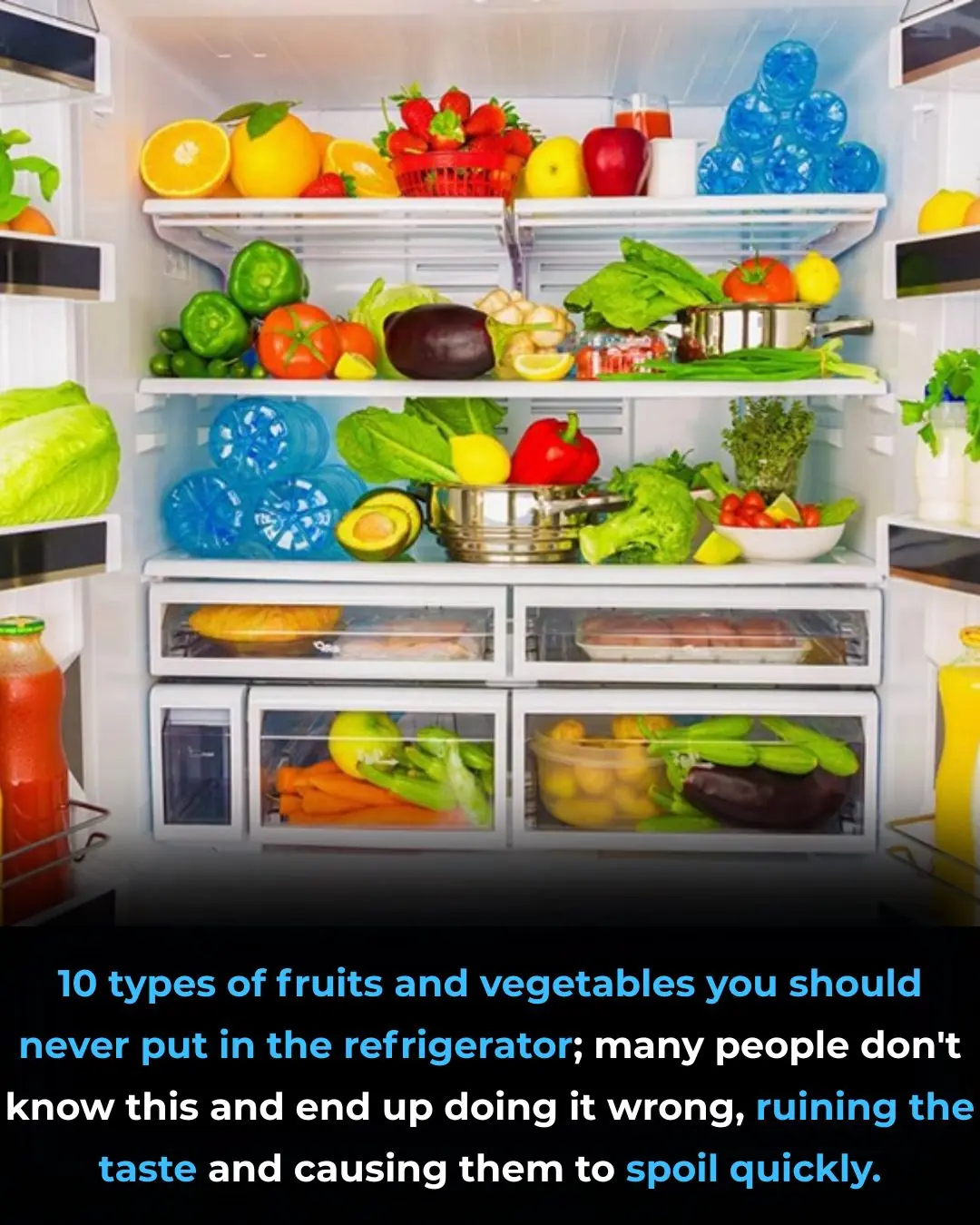
These vegetables and fruits are extremely common, and many people habitually store them in the refrigerator without realizing that doing so can actually make them spoil faster.
According to home appliance manufacturers and food storage experts, certain types of produce—such as tomatoes and cucumbers—can lose their flavor, suffer texture changes, or even have a shorter shelf life when kept in the refrigerator. Specialists explain that some fruits and vegetables are not suitable for cold storage; if handled incorrectly, they can quickly become mushy, watery, or moldy.
In other words, some vegetables, fruits, candies, and seasonings only need to be stored in a kitchen cabinet at room temperature rather than in the refrigerator.
Below are 10 types of fruits and vegetables that should not be kept in the refrigerator, along with the specific reasons why:
Low temperatures in the refrigerator damage the flavor, texture, and overall quality of tomatoes, causing them to lose their natural aroma and taste. The best way to store tomatoes is at room temperature, such as on a countertop, kitchen shelf, or in a cabinet away from direct sunlight.
When stored in cold conditions, the starch in potatoes converts into sugar, making them excessively sweet. After cooking, this process may also produce substances that are not beneficial to health. The ideal storage place is a dark, cool, and well-ventilated area such as a kitchen cupboard or cellar. Potatoes should not be stored near onions, as this can accelerate spoilage.
Onions easily absorb moisture. When kept in the refrigerator, they are prone to mold and becoming soft or mushy. They should be stored in a dry, well-ventilated place away from direct sunlight. However, once onions are cut, they should be tightly wrapped and refrigerated to maintain freshness.
Cucumbers are highly sensitive to low temperatures. Prolonged refrigeration can cause small surface spots, a softened interior, and excess moisture. Storing cucumbers at room temperature helps maintain better quality, but they should be consumed within a few days. If refrigeration is necessary, place them in the crisper drawer and limit storage to 1–2 days.
Short-term storage at room temperature helps bell peppers retain their crunch and flavor. Cold temperatures can cause pitting on the skin and speed up spoilage. Whole peppers should be kept outside the refrigerator, while cut peppers should be stored in airtight containers and refrigerated.
Refrigerating unripe avocados slows down the ripening process. It is best to allow avocados to ripen naturally at room temperature until they yield slightly to pressure, then refrigerate them to extend their usable life.
These types of squash store well at room temperature. Refrigeration can damage their texture and cause them to spoil more quickly. They should be kept in a cool, dark place and checked regularly for signs of softening.
Apples release ethylene gas, which can cause nearby fruits and vegetables to ripen and spoil faster. In addition, cold temperatures may negatively affect their texture and flavor. For optimal taste, apples should be kept in a fruit bowl away from heat and direct sunlight.
Refrigerating bananas interferes with the ripening process and causes the peel to turn black rapidly. The best way to store bananas is at room temperature or hanging, and they should be eaten once fully ripe for the best flavor.
Although refrigeration can extend freshness, excess moisture can make berries spoil more quickly. It is best not to wash them before storage. Instead, gently pat them dry, line the container with paper towels, and store them in a breathable container or bag before placing them in the refrigerator.