Pouring Hot Water on Apples: A Simple Way to Detect Preservatives
Facts 19/12/2025 23:44

Saving money is generally considered a virtue. However, when saving is done the wrong way, it can seriously harm not only your own health but also the well-being of your entire family. Some habits that appear economical on the surface may, over time, become hidden pathways to disease — including cancer.
Below are six common money-saving habits that many people believe are harmless, but which research suggests may increase health risks when practiced long-term.
Moldy grains, nuts, fruits, and vegetables may contain aflatoxins, extremely potent carcinogenic substances known to damage liver cells and DNA. Many people try to save food by cutting away the visibly moldy parts, but this does not eliminate the toxin. Aflatoxins can spread throughout the entire food item and cannot be removed by trimming or cooking.
Long-term consumption of mold-contaminated food significantly increases the risk of liver and stomach cancer.
Reusing cooking oil is common in households trying to reduce costs. However, repeated heating causes fats in the oil to break down and form toxic compounds such as polycyclic aromatic hydrocarbons (PAHs) and heterocyclic amines (HCAs) — both linked to cancer.
Additionally, reused or expired oil loses nutritional value and often contains burnt food residues that can further damage health.
Saving leftovers for the next day may seem practical, but even when refrigerated, cooked food can harbor bacteria and mold. Over time, leftovers may accumulate nitrites, compounds associated with increased cancer risk.
Leftover foods are also more susceptible to Listeria contamination, which can cause serious food poisoning and long-term health complications.
Kitchen items such as cutting boards, chopsticks, pots, and pans can become breeding grounds for bacteria and mold if used for long periods without replacement.
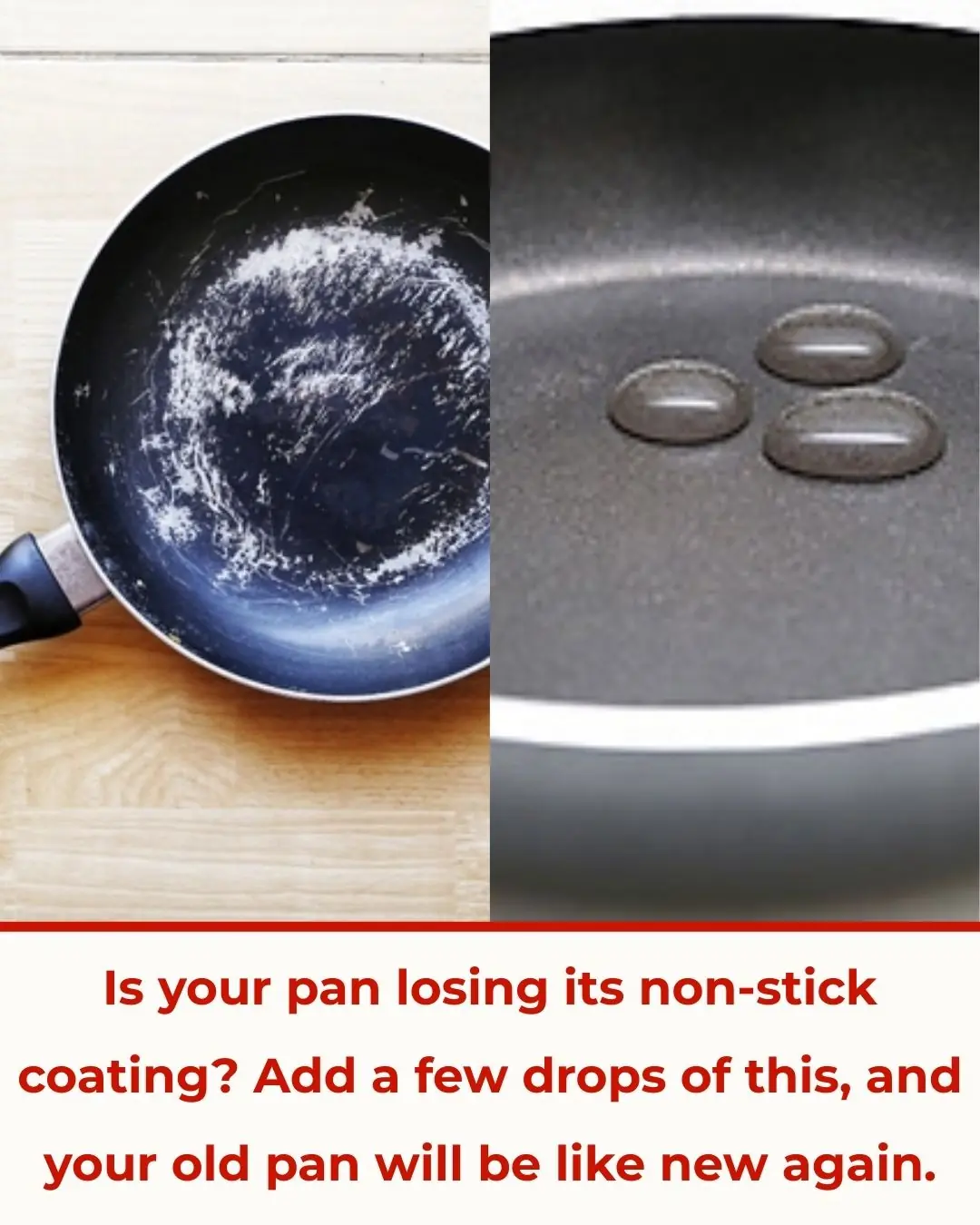
Worn non-stick cookware with scratches or peeling surfaces may release harmful chemicals such as PFOA and PFOS, which have been linked to liver and kidney damage and a higher risk of cancer. Replacing damaged kitchenware promptly is an important step in protecting long-term health.
Cooking fumes and oil smoke are major sources of indoor air pollution. High-temperature frying and grilling can release toxic substances such as benzopyrene, which are associated with lung cancer and respiratory diseases.
Turning off the exhaust fan immediately after cooking allows these toxins to linger. For better air quality, it is recommended to keep the range hood running for 10–15 minutes after cooking.
Old plastic containers, especially those that are discolored or damaged, may release bisphenol A (BPA) and other endocrine-disrupting chemicals. These substances are linked to hormonal imbalance and increased cancer risk.
Using old plastic containers for hot food or in microwave ovens further accelerates chemical leaching and creates conditions that allow bacteria to grow.
One of the most effective strategies for cancer prevention is maintaining a balanced, healthy diet. Below are foods that have been widely studied for their potential protective effects.
Sweet potatoes, particularly purple sweet potatoes, contain antioxidants that have demonstrated strong inhibitory effects on cancer cell growth in laboratory studies. Purple sweet potatoes are believed to be especially effective in early-stage cancer prevention and have shown minimal side effects.
Traditional Chinese medicine has long recorded eggplant as beneficial for treating tumors. Modern studies have identified non-toxic compounds in eggplant that may help inhibit the growth of stomach cancer cells. Eggplant is also rich in minerals, fiber, protein, and calcium.
Broccoli and other cruciferous vegetables are rich in sulforaphane, a compound that enhances detoxifying enzymes and helps neutralize carcinogens. Regular consumption has been linked to reduced risks of breast, liver, lung, prostate, stomach, and bladder cancers.
Radishes contain compounds that neutralize nitrosamines, known carcinogens found in processed foods. They also stimulate digestion, enhance immune activity, and help eliminate toxins from the body. Radishes are especially high in vitamin C and carotenoids.
Tomatoes are a major source of lycopene, a powerful antioxidant associated with reduced risks of cervical, prostate, lung, and stomach cancers. Lycopene is more easily absorbed when tomatoes are cooked.
Pumpkin is rich in vitamin A, vitamin C, fiber, calcium, and tryptophan. These nutrients help regulate metabolism, support immune function, and suppress cancer-causing substances.
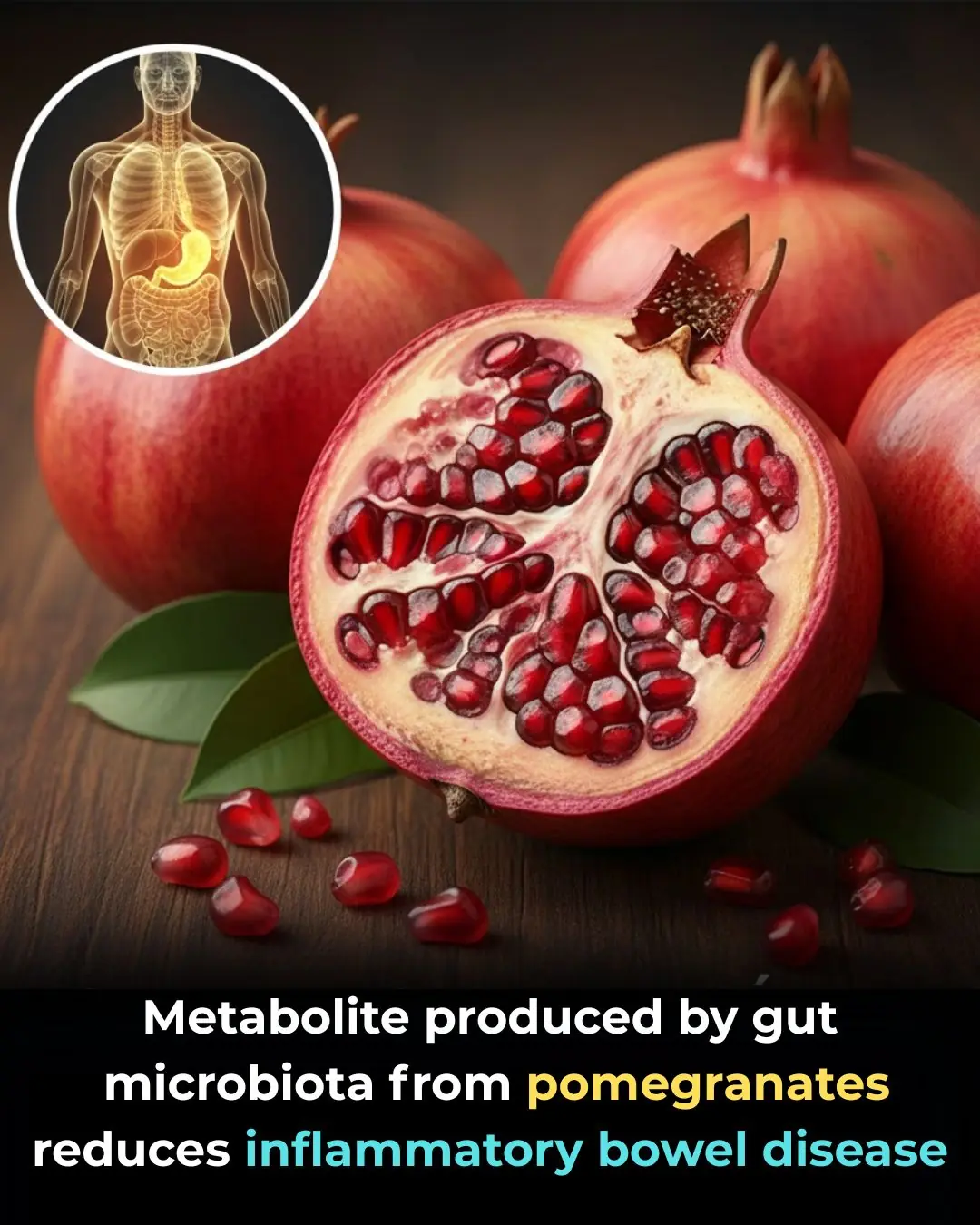
Pomegranate juice contains compounds such as flavonoids and phenolic acids that may weaken prostate cancer cells and reduce metastasis, according to multiple international studies.
Turmeric has been used for thousands of years in traditional medicine. Its active compound, curcumin, has strong anti-inflammatory and antioxidant properties. Research suggests curcumin can inhibit cancer cell growth and metastasis in breast, cervical, colorectal, liver, pancreatic, lung, and prostate cancers.
Adding turmeric to soups, teas, or daily meals may help support long-term health.