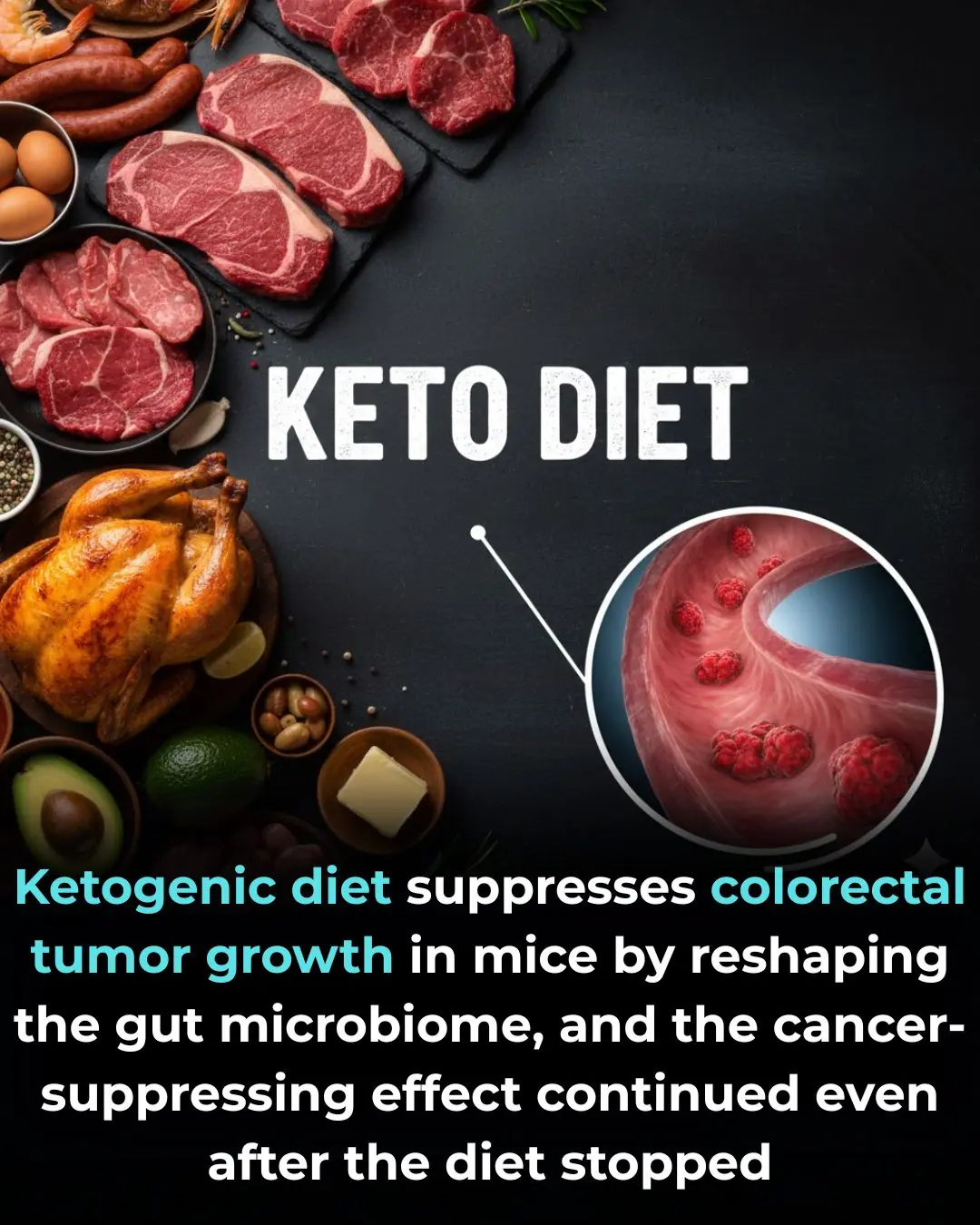
Metabolic Reprogramming: The Role of the Ketogenic Diet in Suppressing Colorectal Tumor Growth
Introduction
Colorectal cancer (CRC) remains a significant global health challenge, necessitating innovative therapeutic approaches beyond traditional surgery and chemotherapy. Recent scientific inquiries have pivoted toward metabolic interventions, specifically the Ketogenic Diet (KD)—a nutritional regimen characterized by high fat and extremely low carbohydrate intake. Emerging evidence suggests that the KD does not merely act as a weight-loss tool but serves as a biological modulator capable of suppressing tumor progression through the alteration of the gut environment.
Reshaping the Gut Microbiome
The primary mechanism by which the Ketogenic Diet exerts its anti-cancer effects is through the reshaping of the gut microbiome. The gut microbiota consists of trillions of microorganisms that play a crucial role in host metabolism and immune function. In studies involving murine models (mice), the implementation of a KD led to a fundamental shift in microbial populations.
This shift favors the growth of beneficial bacteria that produce specific metabolites, such as beta-hydroxybutyrate ($\beta HB$), which have been shown to inhibit the proliferation of colorectal cancer cells. By depriving the tumor of its preferred fuel source—glucose—and fostering a microbiome that produces anti-tumor compounds, the diet creates a hostile metabolic landscape for malignancy.
The Sustained Cancer-Suppressing Effect
One of the most profound findings in this area of research is the longevity of the dietary impact. Experimental data indicates that the cancer-suppressing effect continued even after the diet stopped. This suggests that the Ketogenic Diet induces a semi-permanent or "legacy" change in the gut's microbial architecture.
This sustained effect implies that periodic or short-term ketogenic interventions might be sufficient to establish a microbial community that continues to protect the host against colorectal tumor growth long after standard carbohydrate consumption is resumed. This "metabolic memory" offers a promising outlook for patients seeking long-term maintenance strategies after initial cancer treatment.
Conclusion
The intersection of nutrition and oncology provides a powerful new frontier in the fight against colorectal cancer. By leveraging the body’s own microbiome through the Ketogenic Diet, researchers have demonstrated a viable path to suppressing tumor growth with lasting results. As we move toward personalized medicine, dietary reprogramming may become a standard pillar of integrative cancer care.
News in the same category


The Role of the Ketogenic Diet in Suppressing Colorectal Tumor Growth through Microbiome Modulation

Reversing Liver Fibrosis: The Therapeutic Potential of Vitamin B12 and Folic Acid in NAFLD

The Impact of Ketogenic Diet on Colorectal Cancer: Microbiome Reshaping and Long-term Suppression

Fish oil supplement reduces serious cardiovascular events by 43% in patients on dialysis, clinical trial finds.

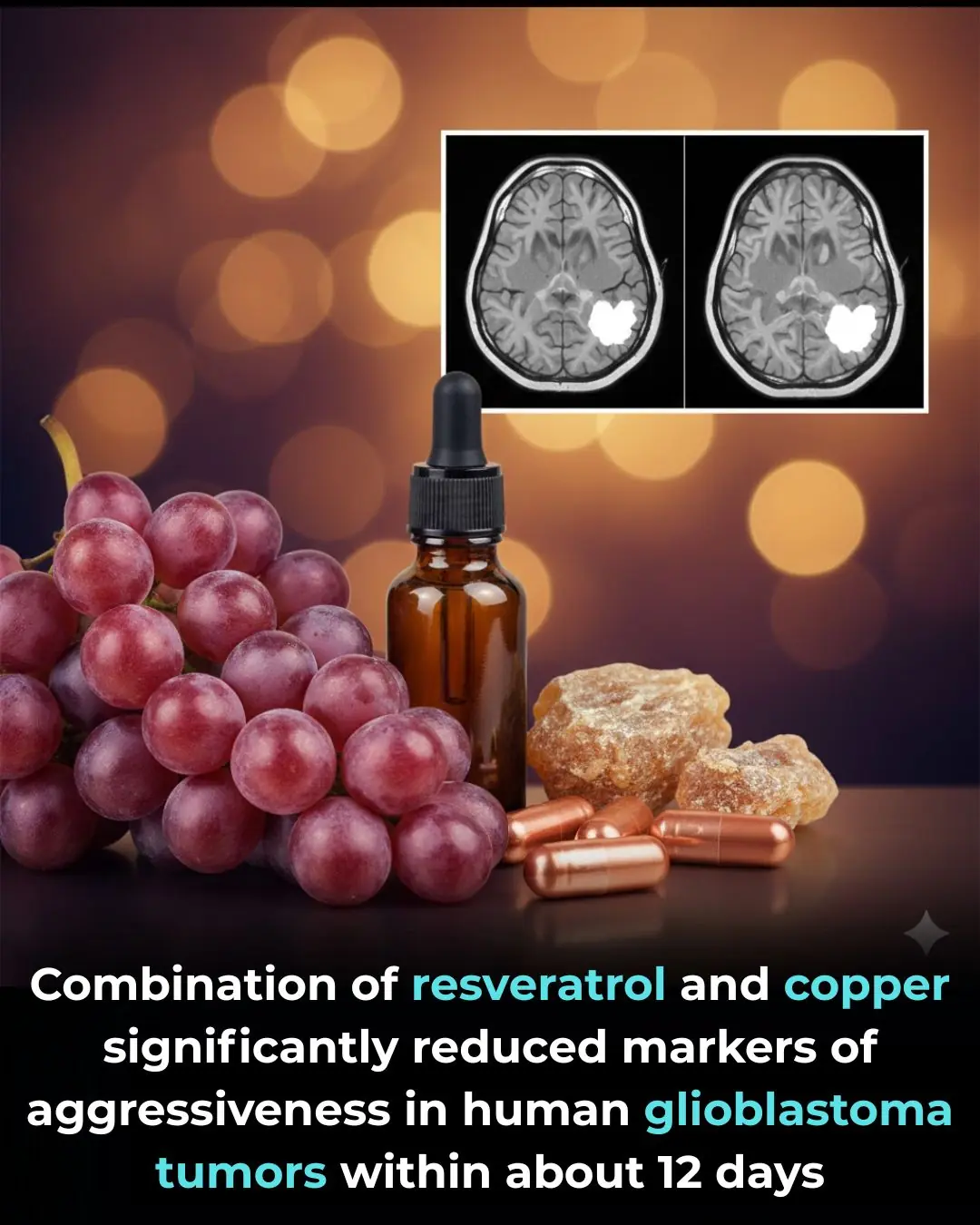
Combination of resveratrol and copper significantly reduced markers of aggressiveness in human glioblastoma tumors within about 12 days.

Astronomers Discover Earth-Sized Planet in the Habitable Zone Just 40 Light-Years Away

A Single Photon Powers the World’s Smallest Quantum Computer

The Most Dangerous Insect In The World Has Appeared

13 Clear Signs Your Man Might Be Cheating on You

11 Quiet Habits of Adults Who Didn’t Feel Loved as Kids

Scientists Finally Explain Why Certain Songs Always Get Stuck in Your Head

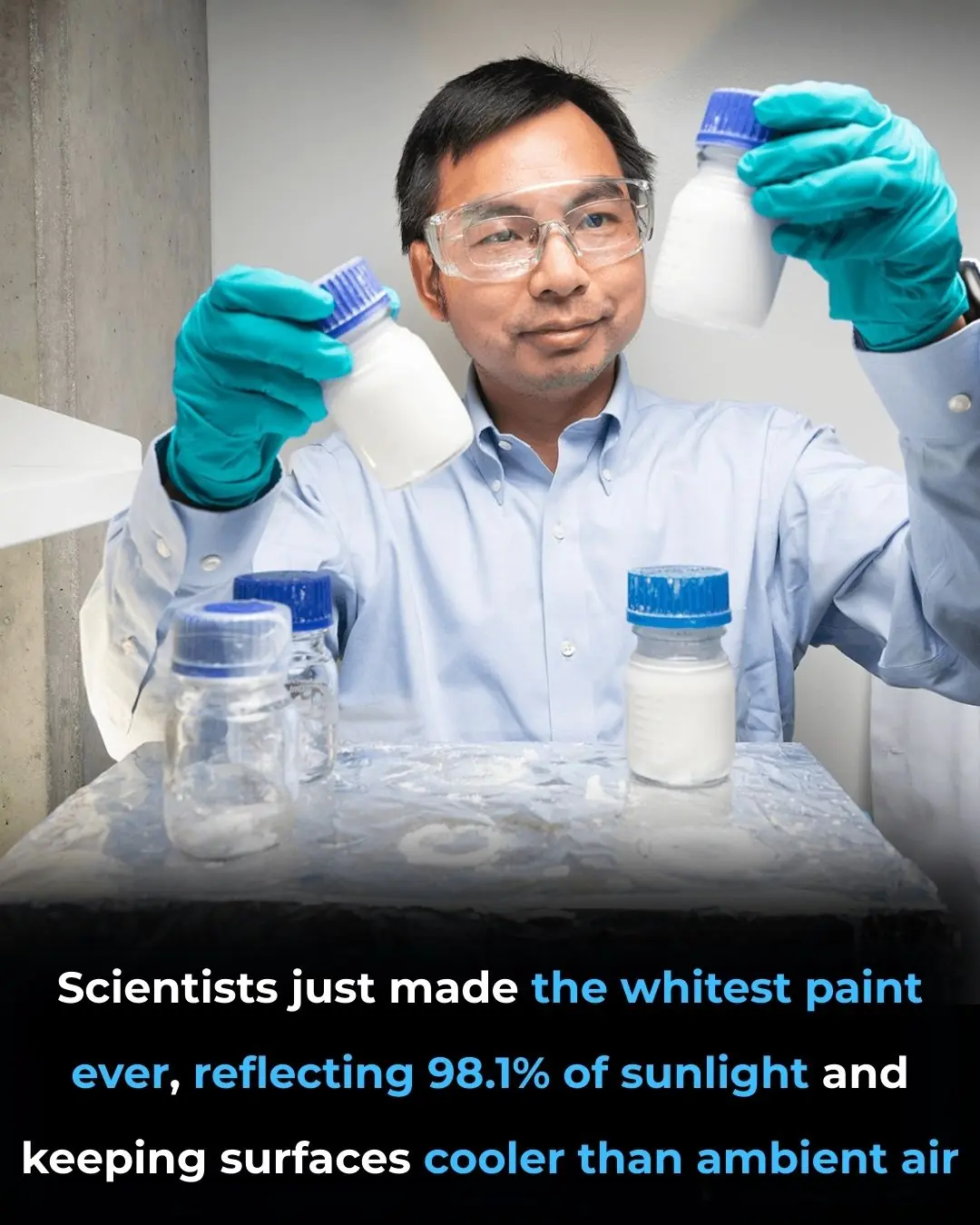
Purdue University’s Ultra-White Paint: A Breakthrough in Passive Radiative Cooling Technology

When One Disc Replaced a Mountain of Paper: The CD-ROM Moment That Redefined Digital Storage

Can You Spot The Problem With This Picture

Bending Ice Can Generate Electricity, Offering New Clues to How Lightning Forms

Strong Thigh Muscles Linked to Lower Risk of Heart Disease and Early Death, Study Finds

Earth Nears a Climate Danger Zone as 2024 Breaks Heat Records
News Post

Metabolic Interventions in Oncology: The Impact of a Ketogenic Diet on Colorectal Tumor Progression

The Anti-Aging Potential of Theobromine: Slowing the Biological Clock

The Role of the Ketogenic Diet in Suppressing Colorectal Tumor Growth through Microbiome Modulation

Reversing Liver Fibrosis: The Therapeutic Potential of Vitamin B12 and Folic Acid in NAFLD

Date Seed Coffee: A Caffeine-Free Alternative with Surprising Benefits

The Impact of Ketogenic Diet on Colorectal Cancer: Microbiome Reshaping and Long-term Suppression

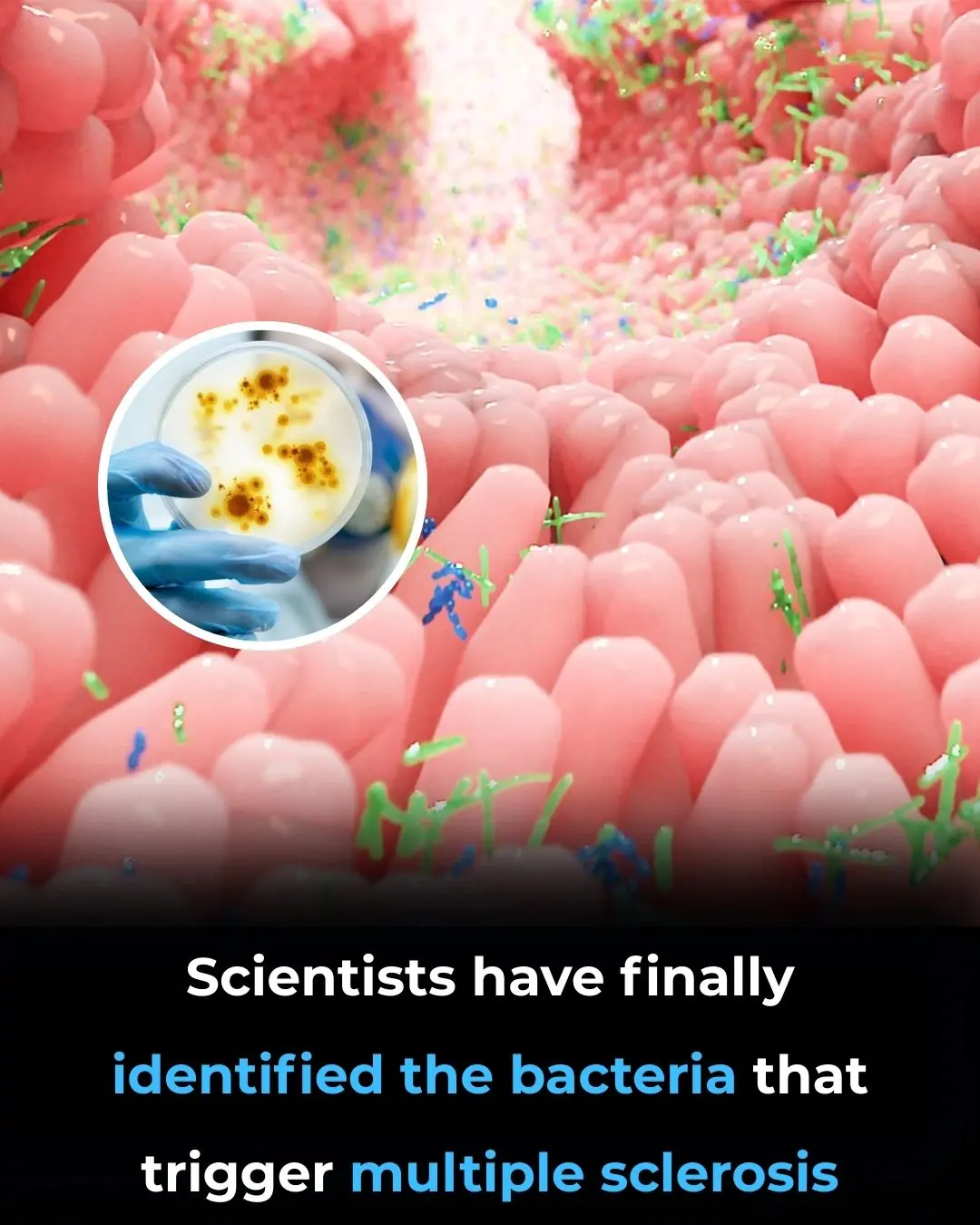
Scientists Have Finally Identified the Bacteria That Trigger Multiple Sclerosis

Why You Should Put Mullein Leaves on the Soles of Your Feet

12 Benefits of Bull Thistle Root and How to Use It Naturally

Radical New Study Suggests Alzheimer’s Has a Single Root Cause

Fish oil supplement reduces serious cardiovascular events by 43% in patients on dialysis, clinical trial finds.

Combination of resveratrol and copper significantly reduced markers of aggressiveness in human glioblastoma tumors within about 12 days.

Purslane: The Underestimated Superfood with Maximum Health Benefits

Astronomers Discover Earth-Sized Planet in the Habitable Zone Just 40 Light-Years Away

A Single Photon Powers the World’s Smallest Quantum Computer

Common Blood Pressure Drug Hydrochlorothiazide Linked to Higher Skin Cancer Risk, New Studies Warn

The Most Dangerous Insect In The World Has Appeared

Top 10 Magnesium-Rich Foods That Can Help Lower Blood Pressure Naturally