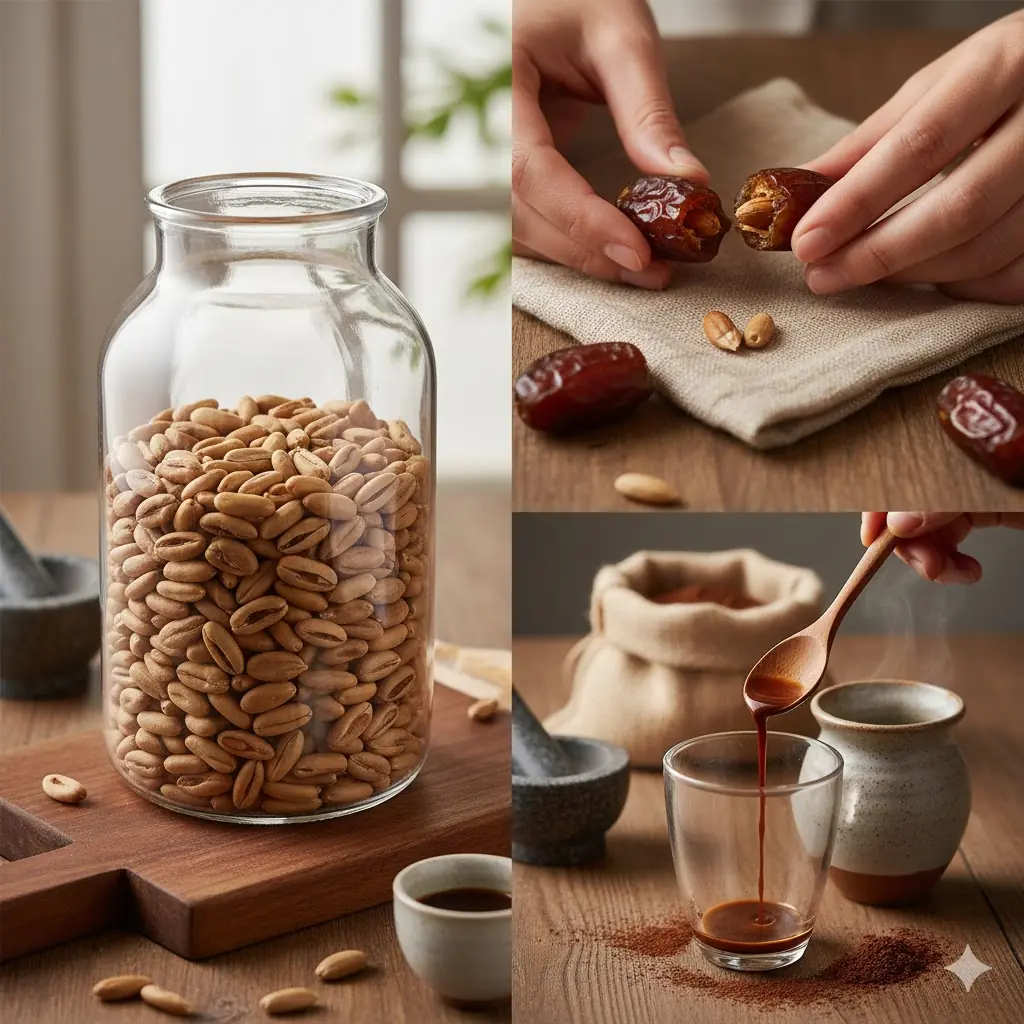
Date Seed Coffee: A Caffeine-Free Alternative with Surprising Benefits

Most people enjoy the sweet flesh of dates and throw away the hard pit inside. What many don’t realize is that date seeds can be roasted, ground, and brewed into a rich, aromatic drink that closely resembles coffee—without caffeine. This traditional beverage is now gaining attention as a gentle, health-conscious alternative to regular coffee.
Below is a clear, easy-to-follow guide covering the benefits of date seed coffee and how to make it at home.
10 Remarkable Benefits of Date Seed Coffee
-
Caffeine-Free Energy
Provides a warm, satisfying drink without caffeine-related jitters, anxiety, or crashes. -
Rich in Antioxidants
Contains polyphenols that help reduce oxidative stress and support overall cellular health. -
Supports Digestion
Traditionally used to soothe the digestive system and encourage regular bowel movements. -
Helps Balance Blood Sugar
May support stable blood sugar levels, making it suitable for people watching glucose spikes. -
Promotes Heart Health
Naturally contains potassium and magnesium, which support healthy heart and blood vessel function. -
High in Dietary Fiber
Helps promote fullness and may assist with weight management. -
Supports Natural Detox Processes
Traditionally believed to help the body flush waste and maintain internal balance. -
Supports Kidney Health
Used in some cultures to support normal kidney function. -
Supports Bone Strength
Contains trace minerals such as calcium and phosphorus that contribute to bone health. -
Gluten-Free and Vegan
Naturally suitable for a wide range of dietary lifestyles.
How to Make Date Seed Coffee at Home
Step 1: Remove the seeds
Take the pits out of fresh or dried dates and rinse them thoroughly to remove any sticky residue.
Step 2: Dry the seeds
Spread the seeds on a tray and let them air-dry for 1–2 days. To speed things up, you can place them in the oven on very low heat until fully dry.
Step 3: Roast the seeds
Roast the dried seeds in a pan over medium heat or in the oven at 180°C (350°F). Stir occasionally. Roast for 30–45 minutes until they turn deep brown and release a nutty, coffee-like aroma.
Step 4: Cool and grind
Let the seeds cool completely, then grind them into a fine powder using a spice grinder, blender, or food processor.
Step 5: Brew
Use 1–2 teaspoons of ground date seed coffee per cup of water. Brew by boiling, steeping like tea, or using a French press for 5–10 minutes, depending on desired strength.
Optional flavor ideas:
Cinnamon, cardamom, vanilla, or coconut milk pair especially well with date seed coffee.
Final Thoughts
Date seed coffee is an eco-friendly, caffeine-free beverage with a surprisingly rich flavor and a range of potential health benefits. Whether you’re cutting back on caffeine, supporting digestion, or simply looking for a new warm drink to enjoy, this ancient brew is worth trying.
Disclaimer:
This article is for informational purposes only and does not replace professional medical advice. Consult a healthcare provider before making dietary changes, especially if you have medical conditions or take medications.
News in the same category


The Hidden Power of Iris Flowers: Ancient Beauty with Healing Potential

Scientists Have Finally Identified the Bacteria That Trigger Multiple Sclerosis

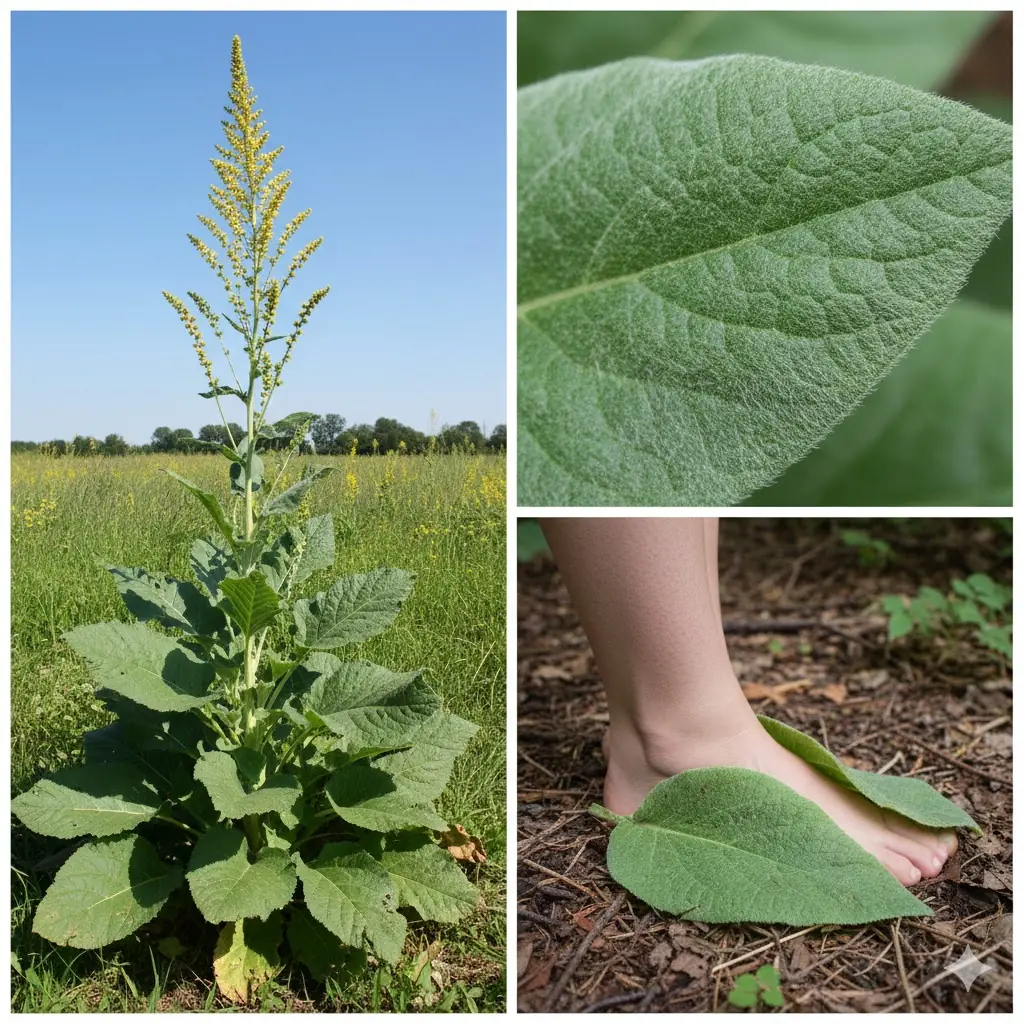
Why You Should Put Mullein Leaves on the Soles of Your Feet

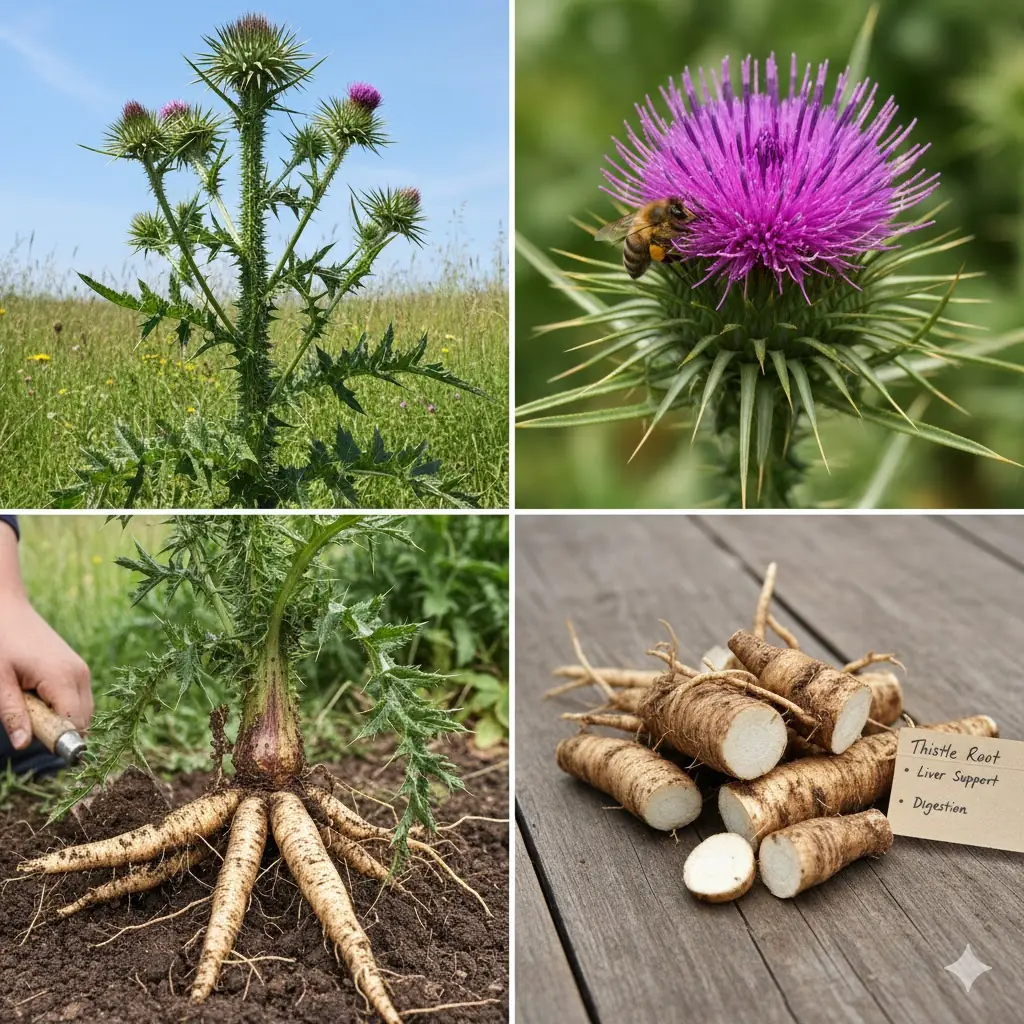
12 Benefits of Bull Thistle Root and How to Use It Naturally

Radical New Study Suggests Alzheimer’s Has a Single Root Cause

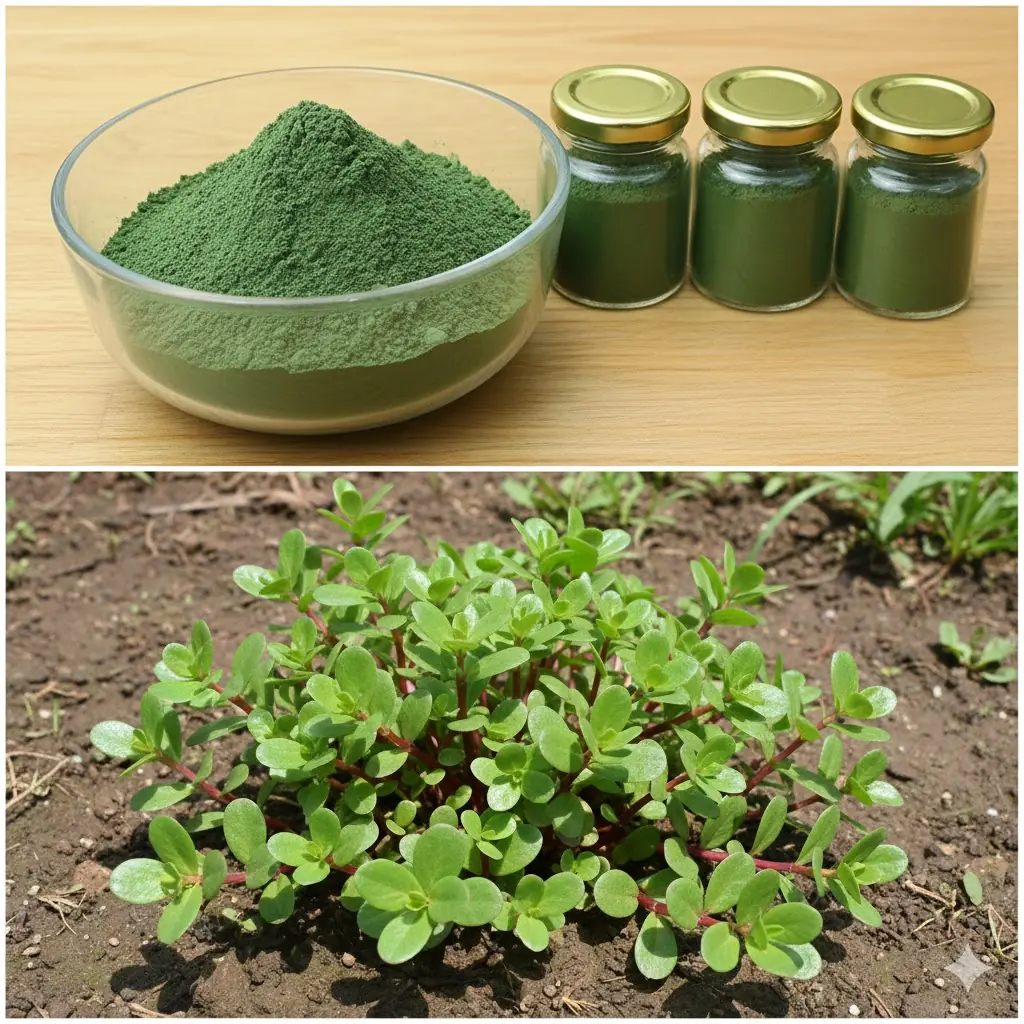
Purslane: The Underestimated Superfood with Maximum Health Benefits

Diagnosed with terminal cancer that had metastasized to the brain, the woman went for a check-up and burst into tears upon learning that her husband and son were the culprits

A family of four all diagnosed with liver cancer; the expert knew the cause was this particular item the moment he stepped into the kitchen

Could Overdoing Lemon Water or Preparing It Incorrectly Lead to Unwanted Issues?

Top 5 vitamins to supercharge circulation in your legs & feet

The #1 strongest cortisol reducer and energy booster in years

Did You Know That Waking Up At 3 Or 4 In The Morning Is A Clear Sign Of

A 30-year-old man was hospitalized and suddenly diagnosed with acute kidney failure: It all turned out to be due to one mistake during his workout routine

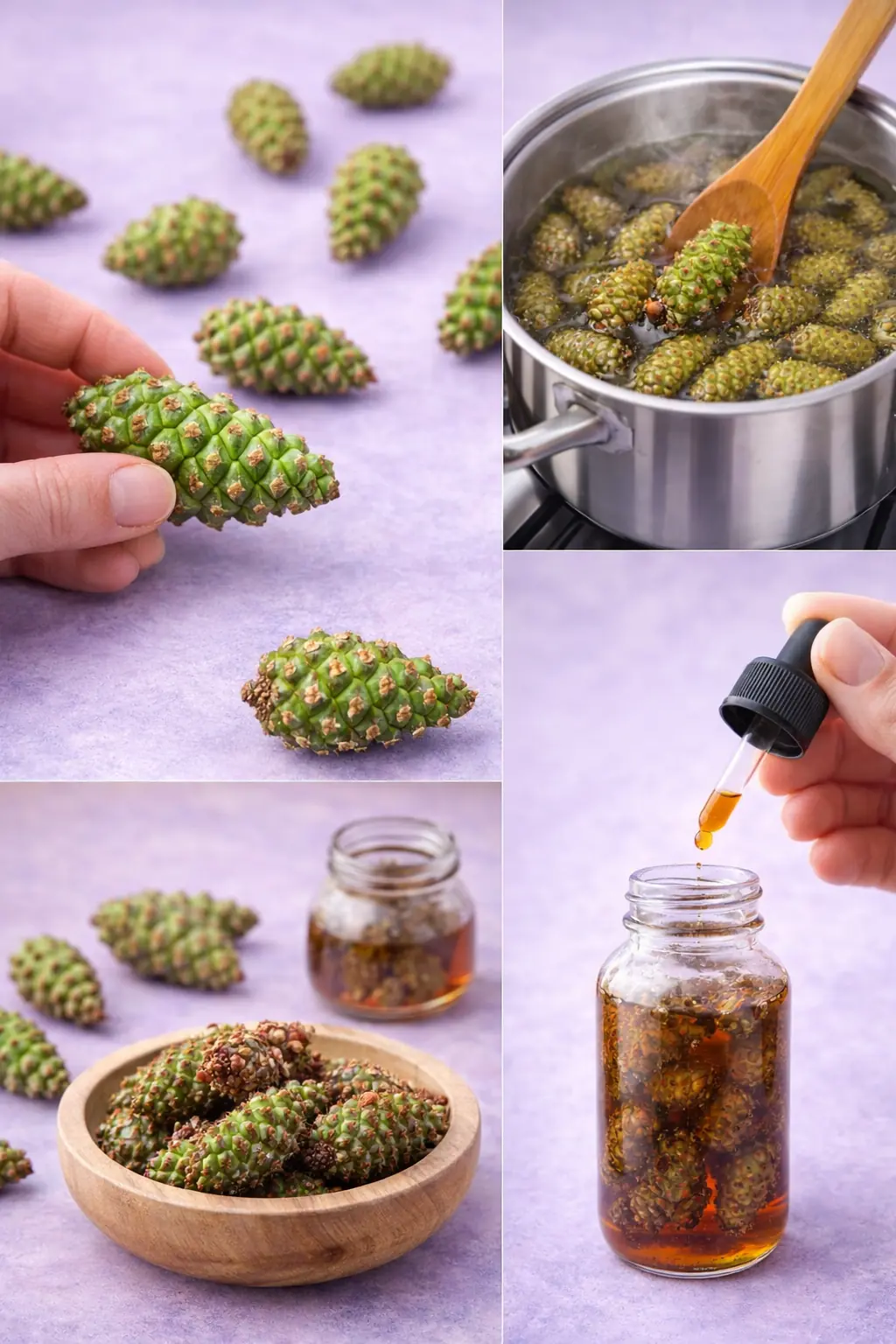
Pine Cone Syrup: A Beginner-Friendly Guide (Benefits, How to Make It, and Everyday Uses)

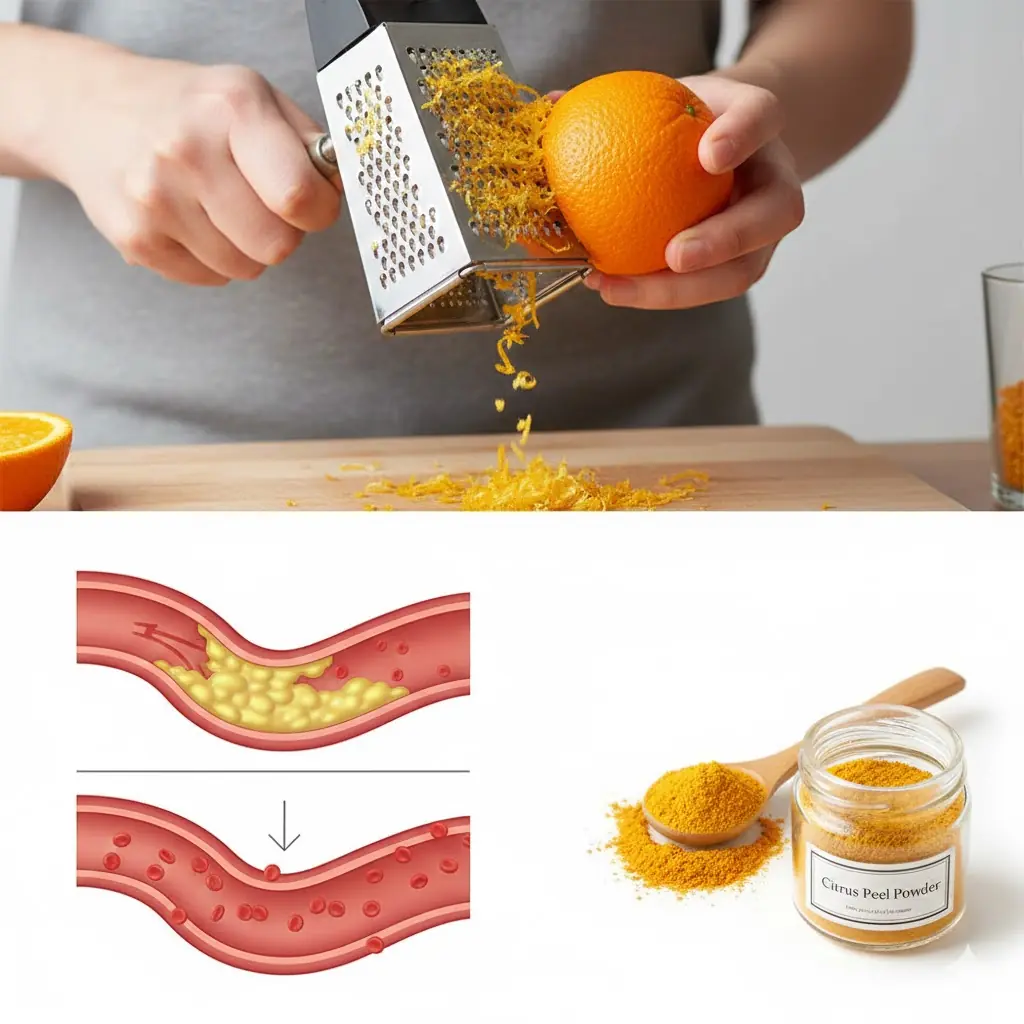
The Versatility and Benefits of Orange Peel Powder

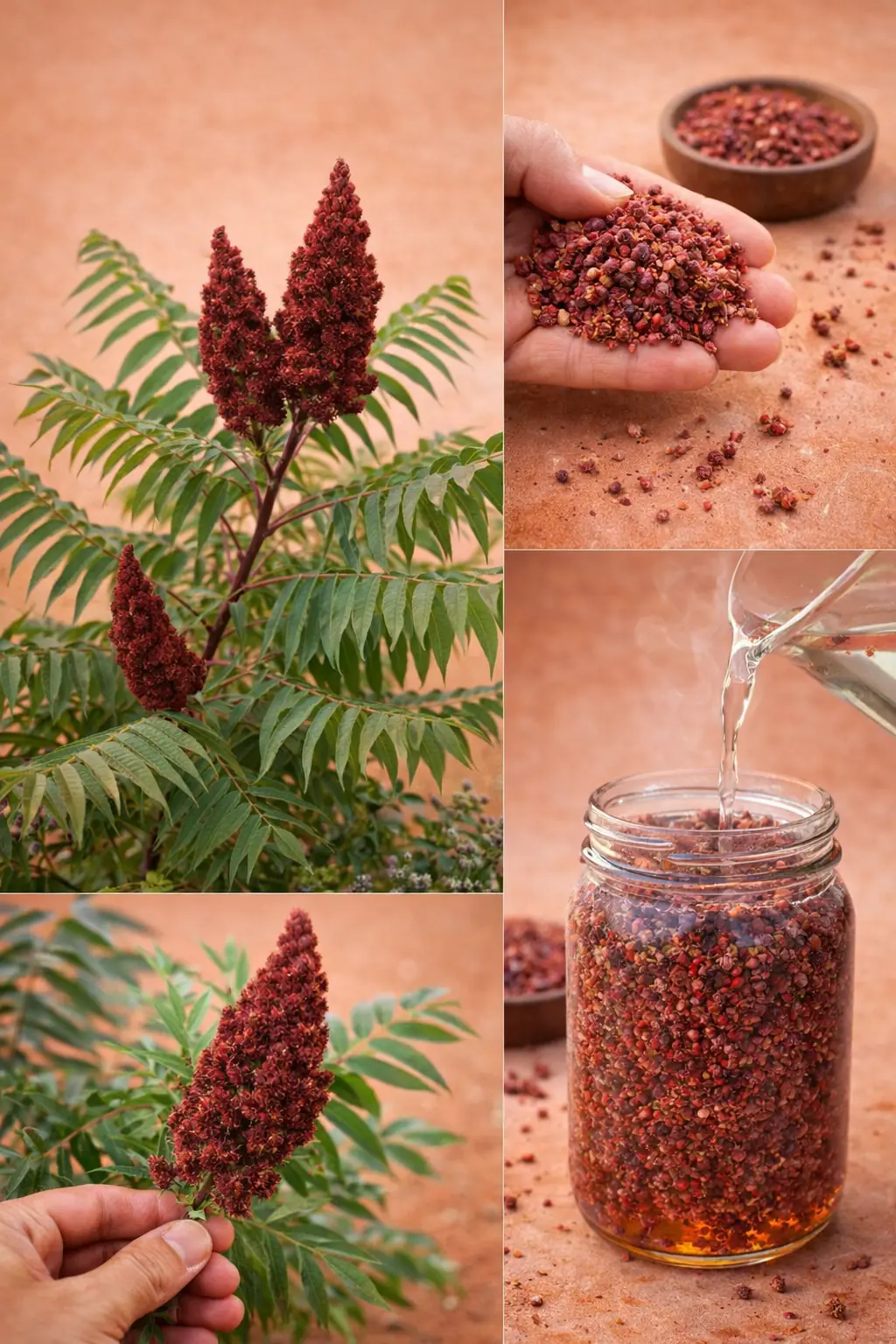
The Amazing Benefits of Sumac and How to Use It

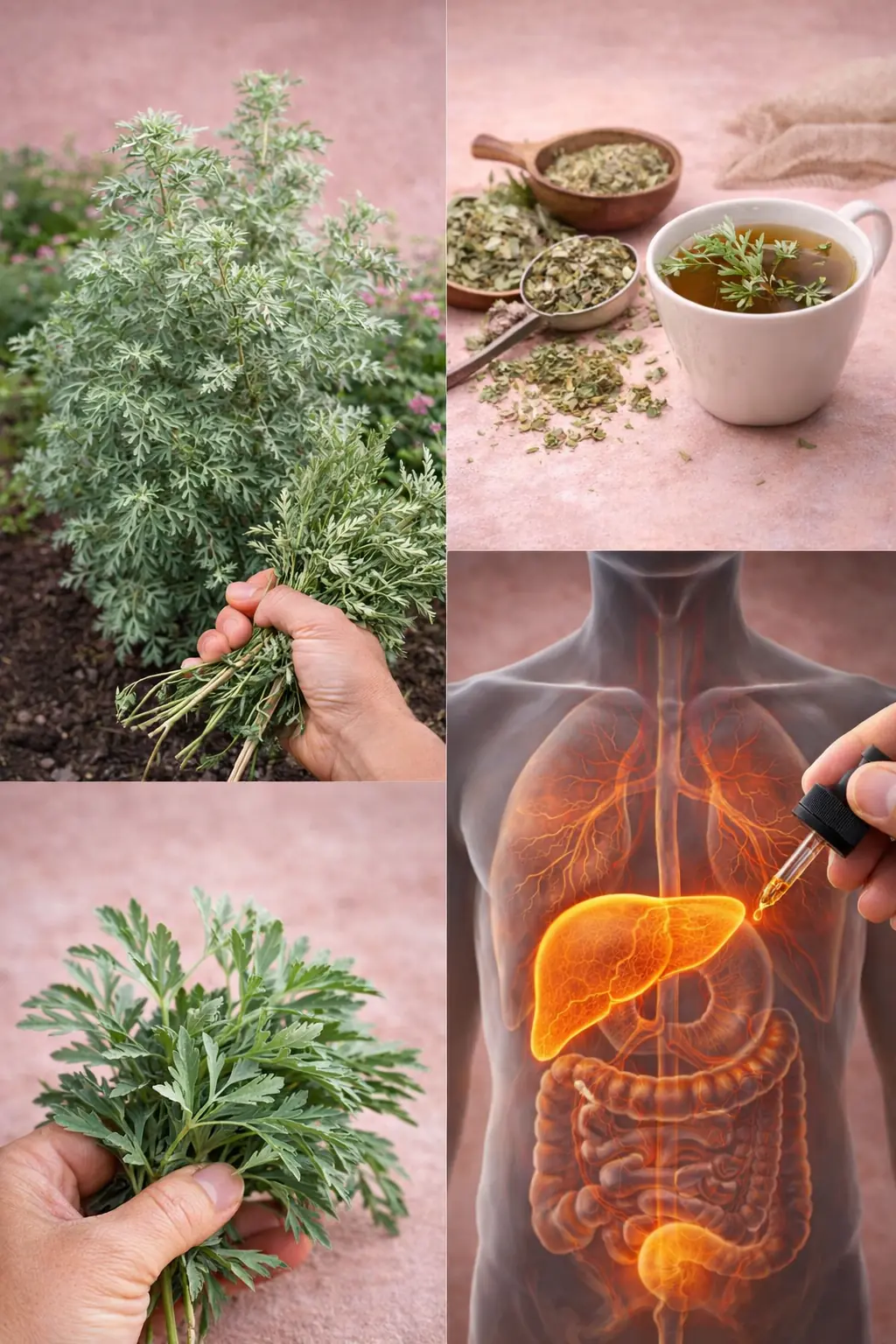
Wormwood: The Ancient Bitter Herb With Surprisingly Modern Benefits

The Traditional Power of Puncture Vine (Tribulus terrestris)
News Post

The Mighty Dandelion: Nature’s Hidden Treasure

The Hidden Power of Iris Flowers: Ancient Beauty with Healing Potential

Metabolic Interventions in Oncology: The Impact of a Ketogenic Diet on Colorectal Tumor Progression

The Anti-Aging Potential of Theobromine: Slowing the Biological Clock

The Role of the Ketogenic Diet in Suppressing Colorectal Tumor Growth through Microbiome Modulation

Reversing Liver Fibrosis: The Therapeutic Potential of Vitamin B12 and Folic Acid in NAFLD

Metabolic Reprogramming: The Role of the Ketogenic Diet in Suppressing Colorectal Tumor Growth

The Impact of Ketogenic Diet on Colorectal Cancer: Microbiome Reshaping and Long-term Suppression

Scientists Have Finally Identified the Bacteria That Trigger Multiple Sclerosis

Why You Should Put Mullein Leaves on the Soles of Your Feet

12 Benefits of Bull Thistle Root and How to Use It Naturally

Radical New Study Suggests Alzheimer’s Has a Single Root Cause

Fish oil supplement reduces serious cardiovascular events by 43% in patients on dialysis, clinical trial finds.

Combination of resveratrol and copper significantly reduced markers of aggressiveness in human glioblastoma tumors within about 12 days.

Purslane: The Underestimated Superfood with Maximum Health Benefits

Astronomers Discover Earth-Sized Planet in the Habitable Zone Just 40 Light-Years Away

A Single Photon Powers the World’s Smallest Quantum Computer

Common Blood Pressure Drug Hydrochlorothiazide Linked to Higher Skin Cancer Risk, New Studies Warn