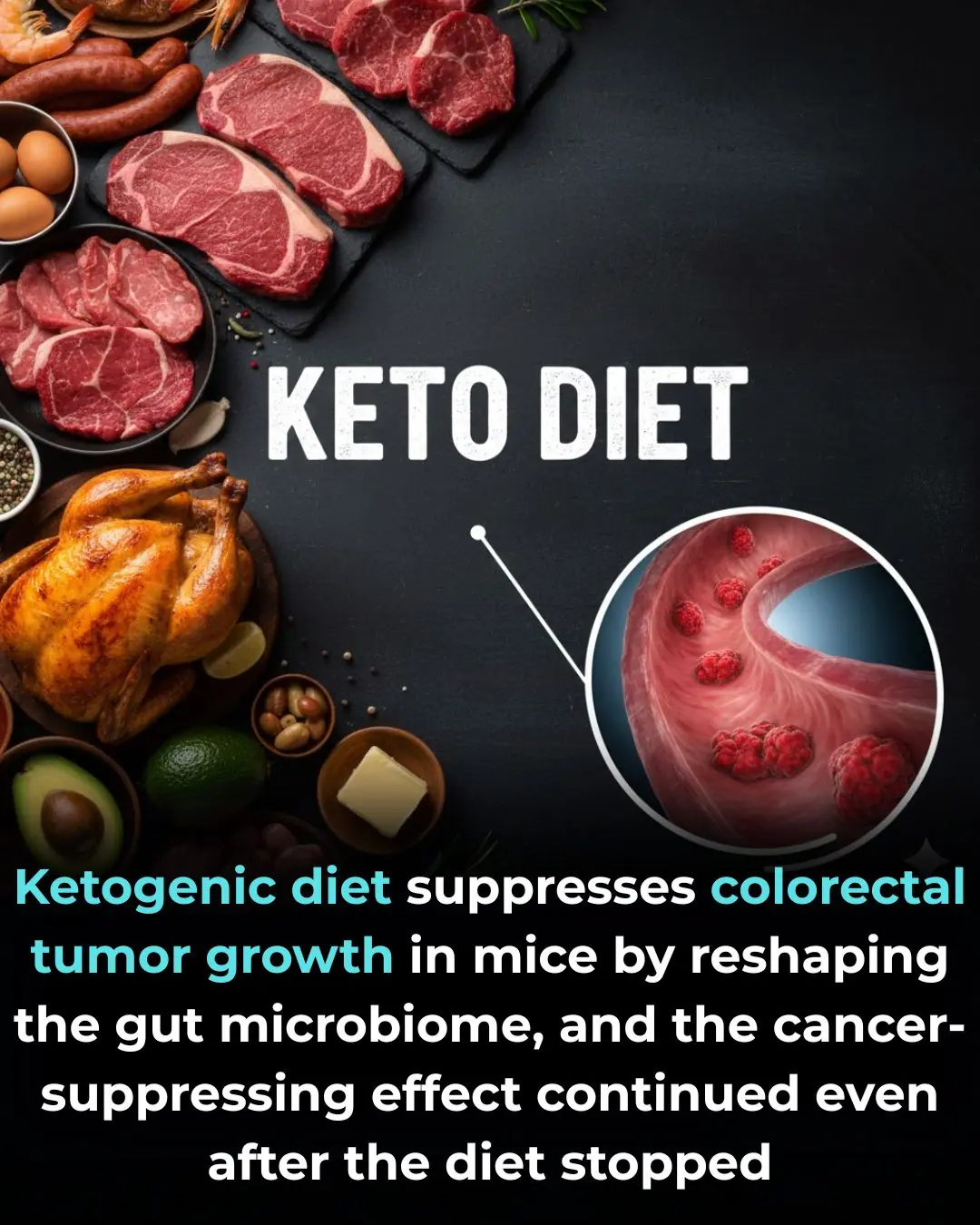
Metabolic Interventions in Oncology: The Impact of a Ketogenic Diet on Colorectal Tumor Progression
Facts 19/12/2025 00:34
Non-alcoholic fatty liver disease (NAFLD) has emerged as a global health epidemic, often progressing from simple steatosis to non-alcoholic steatohepatitis (NASH), fibrosis, and eventually cirrhosis. While lifestyle modifications remain the cornerstone of treatment, pharmacological interventions are limited. Recent scientific evidence, however, has identified a promising nutritional strategy: the supplementation of Vitamin B12 and Folic Acid to combat advanced liver inflammation and fibrosis.
The core breakthrough depicted in the research is the ability of Vitamin B12 and Folic Acid to restore autophagy within the liver. Autophagy is a critical cellular "recycling" process that breaks down damaged organelles and proteins. In advanced NAFLD, this process is typically impaired, leading to the accumulation of toxic lipids and the progression of permanent tissue scarring (fibrosis).
According to a prominent study published in the journal Journal of Hepatology (2022), Vitamin B12 and Folic Acid act as essential cofactors in the homocysteine metabolism pathway. When these vitamins are deficient, homocysteine levels rise, triggering endoplasmic reticulum stress that shuts down autophagy. By reintroducing these vitamins, the liver can re-activate its internal cleaning mechanisms, effectively reducing liver inflammation and fibrosis.
The research specifically targets "Advanced Non-Alcoholic Fatty Liver Disease," a stage where traditional diets often fail to reverse existing structural damage. Clinical observations indicated that:
Supplementation led to a measurable reduction in liver stiffness, a key indicator of fibrosis regression.
Pro-inflammatory markers were significantly downregulated as the vitamins stabilized hepatic cell function.
The restoration of B12 levels helped normalize levels of Syntaxin 17, a protein vital for the fusion of autophagosomes with lysosomes, which is often lost in NASH patients.
The combination of Folic Acid and Vitamin B12 is crucial. While each has individual benefits, their synergy ensures the efficient conversion of homocysteine to methionine. This not only protects the liver from oxidative stress but also provides the necessary methyl groups for DNA repair and cellular regeneration in damaged hepatic tissues.
The finding that Vitamin B12 and Folic Acid can restore autophagy represents a significant shift in how we approach chronic liver disease. By utilizing these accessible supplements, clinicians may have a powerful tool to halt or even reverse the progression of fibrosis in patients with advanced NAFLD. This discovery underscores the importance of micronutrient status in maintaining organ-level metabolic health.