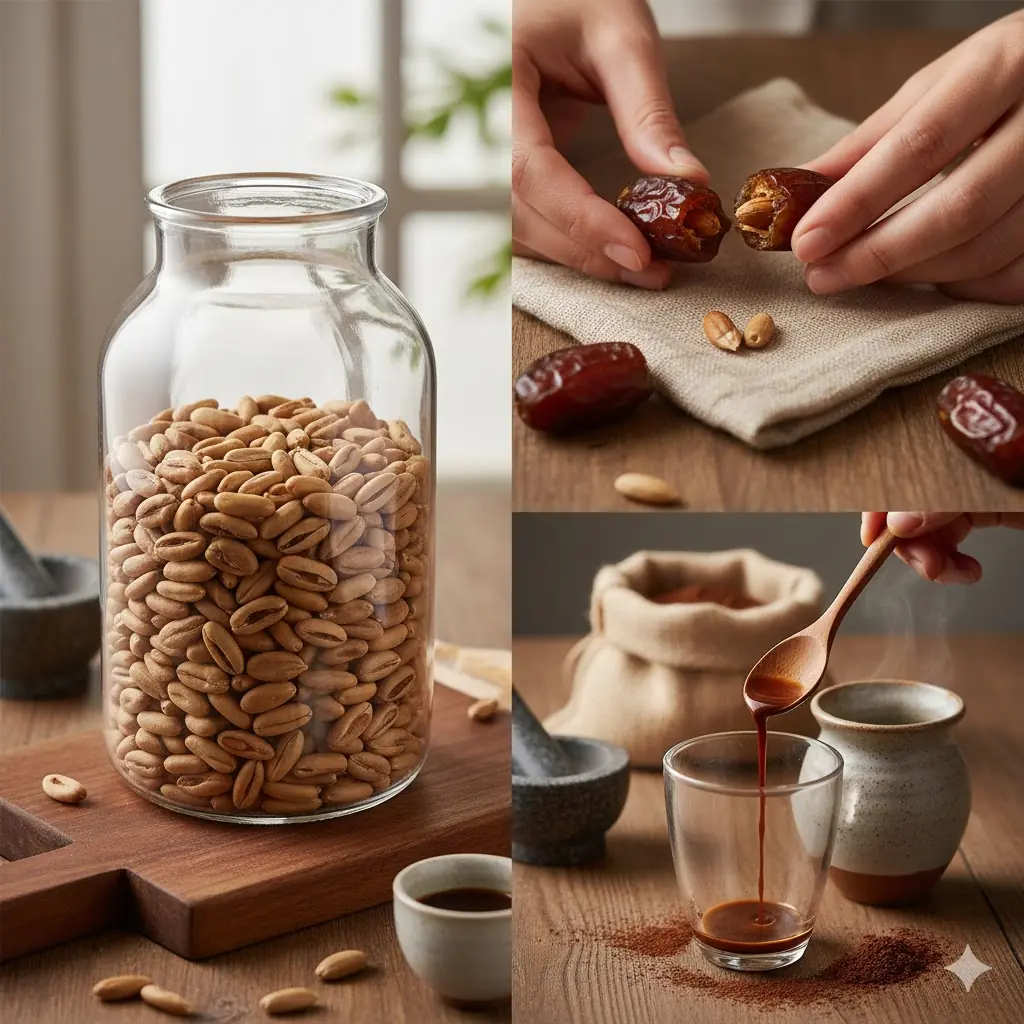
Date Seed Coffee: A Caffeine-Free Alternative with Surprising Benefits
Health 19/12/2025 00:22
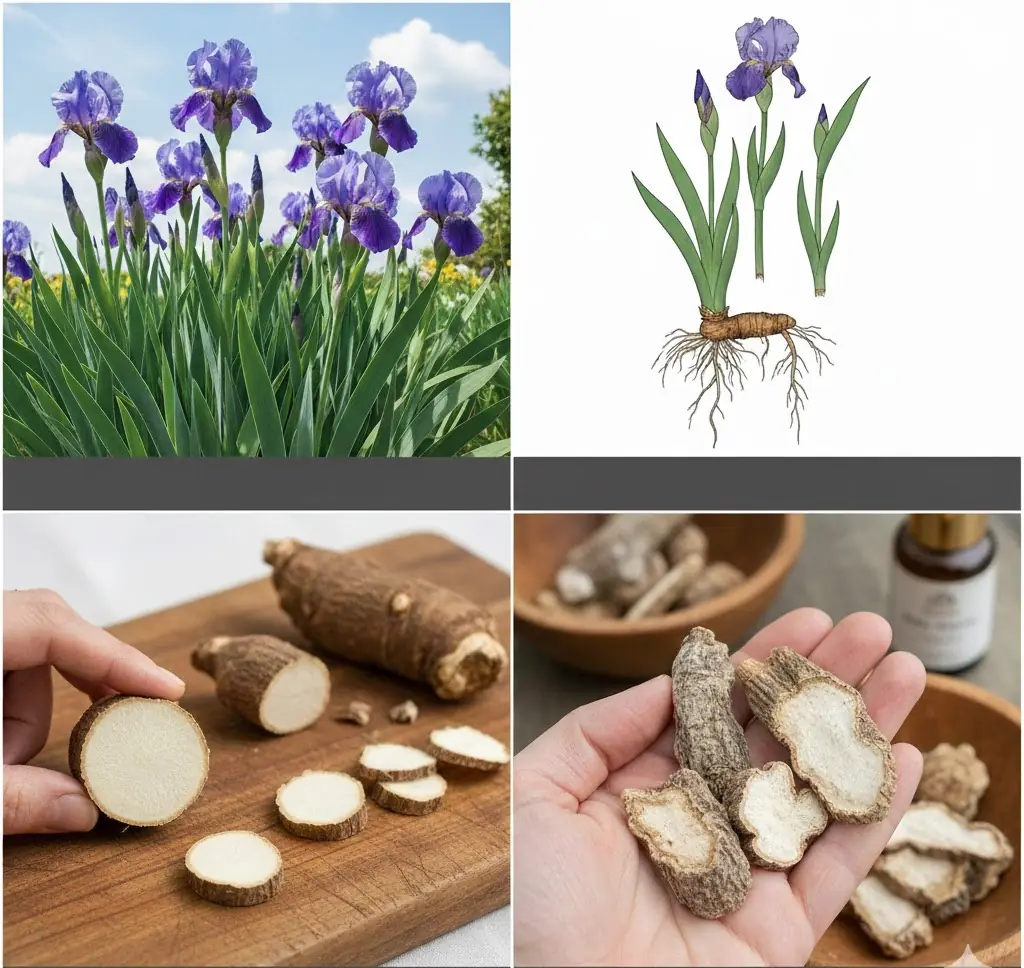
The iris flower has long been admired for its elegance, fragrance, and royal symbolism—often associated with faith, wisdom, and courage. Yet beyond its beauty lies a lesser-known history of traditional use. Certain species, particularly Iris germanica, Iris pallida, and Iris florentina, have been valued for centuries in herbal practices, natural beauty care, and household preparations. Their rhizomes, commonly known as orris root, contain aromatic and bioactive compounds that were traditionally used to cleanse, soothe, and protect.
Below is a clear, practical overview of the traditional value of iris (orris root), how it has been used, and the safety considerations that must be respected.
The most valuable part of the iris plant is not the flower, but the rhizome. After harvesting, the root is dried and aged for at least two years. During this time, it develops a soft, violet-like fragrance and becomes suitable for external use and aromatic applications. Once cured, it can be ground into powder or infused for traditional preparations.
Respiratory Support
Traditionally used as a mild expectorant to help loosen mucus and soothe coughs when prepared correctly.
Digestive Stimulation
In very small amounts, aged orris root was historically used to stimulate appetite and ease bloating.
Natural Mouth Freshener
Once a common ingredient in tooth powders due to its pleasant scent and mild antibacterial properties.
Anti-Inflammatory Use (External)
Applied as a poultice or compress to reduce swelling and ease joint or muscle discomfort.
Skin Purification
Used in early skincare routines to cleanse pores, tighten skin, and reduce excess oil.
Hair Care and Scalp Support
Prepared as a rinse to add fragrance, reduce dandruff, and refresh the scalp.
Aromatherapy and Relaxation
Its gentle floral aroma was used to calm the mind, reduce stress, and improve focus.
Natural Perfume Fixative
Highly valued in perfumery to help scents last longer and deepen fragrance profiles.
Mild Diuretic (Traditional Use)
Used cautiously in the past to support urinary flow and reduce fluid retention.
Cleansing Bath Additive
Added to baths for relaxation, skin refreshment, and aromatic comfort.
Natural Deodorizer
Placed in drawers or closets to absorb odors and provide long-lasting freshness.
Symbolic and Spiritual Use
Historically associated with protection, courage, and mental clarity in folklore.
Traditional Cosmetic Ingredient
Used by European nobility in powders, creams, and perfumes for its scent and skin-softening qualities.
Topical Skin Relief
Diluted preparations were used externally on minor cuts or insect bites.
Mental Balance and Focus
In traditional energy practices, iris was associated with clarity, emotional balance, and intuition.
Use only fully dried and aged iris root (minimum two years).
Grind into a fine powder.
Add small amounts to perfumes, incense, or sachets.
Mix 1 tablespoon orris powder with dried lavender and Epsom salt.
Add to warm bathwater for relaxation.
Mix ½ teaspoon orris powder with honey and yogurt.
Apply for 10 minutes, then rinse.
Always patch-test first.
Boil 2 teaspoons of orris powder in 2 cups of water.
Cool, strain, and use as a final rinse after washing hair.
Place orris powder and dried petals into a small cloth pouch.
Store with linens or clothing.
Never consume fresh iris root—it is toxic and can cause nausea or vomiting.
Only aged, properly cured orris root is used traditionally, mainly for external or aromatic purposes.
Avoid use during pregnancy or breastfeeding.
Always perform a skin patch test before topical application.
Do not ingest unless under professional supervision.
The iris is far more than an ornamental flower. When properly aged and respectfully used, its root has played a role in traditional beauty care, aromatherapy, and external remedies for centuries. Still, it is a plant that demands caution and knowledge.
Used responsibly, iris (orris root) bridges elegance and tradition—showing how beauty and function can coexist in nature.
Disclaimer:
This content is for informational and educational purposes only and does not replace medical advice. Iris plants can be toxic if misused. Always consult a qualified healthcare professional or trained herbalist before using any plant-based preparation.