The Anti-Aging Potential of Theobromine: Slowing the Biological Clock
Introduction
Aging is a complex biological process characterized by the gradual decline in cellular function and the accumulation of molecular damage. While chronological age is immutable, "biological age"—the rate at which our cells and tissues actually decline—is highly influenced by genetics and lifestyle. Recent groundbreaking research from King’s College London has identified a natural ally in the quest for longevity: Theobromine, a compound found abundantly in cocoa and coffee.
What is Theobromine?
Theobromine is a bitter alkaloid belonging to the methylxanthine class, chemically similar to caffeine but with distinct physiological effects. While caffeine primarily stimulates the central nervous system, theobromine provides a more sustained, gentle energy boost and acts as a potent vasodilator. The primary dietary sources for this compound are cacao beans (and by extension, dark chocolate) and certain varieties of coffee beans.
The Link to Biological Aging
The study led by researchers at King’s College London discovered that individuals with higher circulating levels of theobromine tend to exhibit a slower biological aging process. This is significant because biological age is often measured through "epigenetic clocks" or telomere length, which are more accurate predictors of healthspan and mortality risk than birth dates.
Potential Mechanisms of Action
Although the exact pathways are still being explored in clinical trials, scientific literature suggests several ways theobromine may slow cellular aging:
-
DNA Protection: Research indicates that methylxanthines can enhance DNA repair mechanisms, protecting the genome from oxidative stress—a major driver of aging.
-
Cardiovascular Health: By acting as a vasodilator and reducing blood pressure, theobromine lowers the "wear and tear" on the vascular system, effectively keeping the heart and arteries "younger" for longer.
-
Anti-Inflammatory Properties: Chronic low-grade inflammation, often termed "inflammaging," is a hallmark of old age. Theobromine has been shown to modulate inflammatory cytokines, potentially delaying age-related chronic diseases.
Dietary Implications
The findings from King's College London suggest that moderate consumption of high-quality cocoa or coffee could be a viable nutritional strategy for longevity. Unlike synthetic anti-aging drugs, theobromine is a natural compound with a well-established safety profile. However, researchers emphasize that the benefits are most pronounced when cocoa is consumed with minimal added sugars, as excessive sugar intake can accelerate aging through a process called glycation.
Conclusion
The discovery that higher levels of theobromine are associated with slower biological aging provides a compelling reason to enjoy dark chocolate and coffee as part of a healthy lifestyle. As we continue to decode the relationship between nutrition and the epigenome, theobromine stands out as a promising candidate for natural age-intervention therapies.
News in the same category


The Role of the Ketogenic Diet in Suppressing Colorectal Tumor Growth through Microbiome Modulation

Reversing Liver Fibrosis: The Therapeutic Potential of Vitamin B12 and Folic Acid in NAFLD

Metabolic Reprogramming: The Role of the Ketogenic Diet in Suppressing Colorectal Tumor Growth

The Impact of Ketogenic Diet on Colorectal Cancer: Microbiome Reshaping and Long-term Suppression

Fish oil supplement reduces serious cardiovascular events by 43% in patients on dialysis, clinical trial finds.

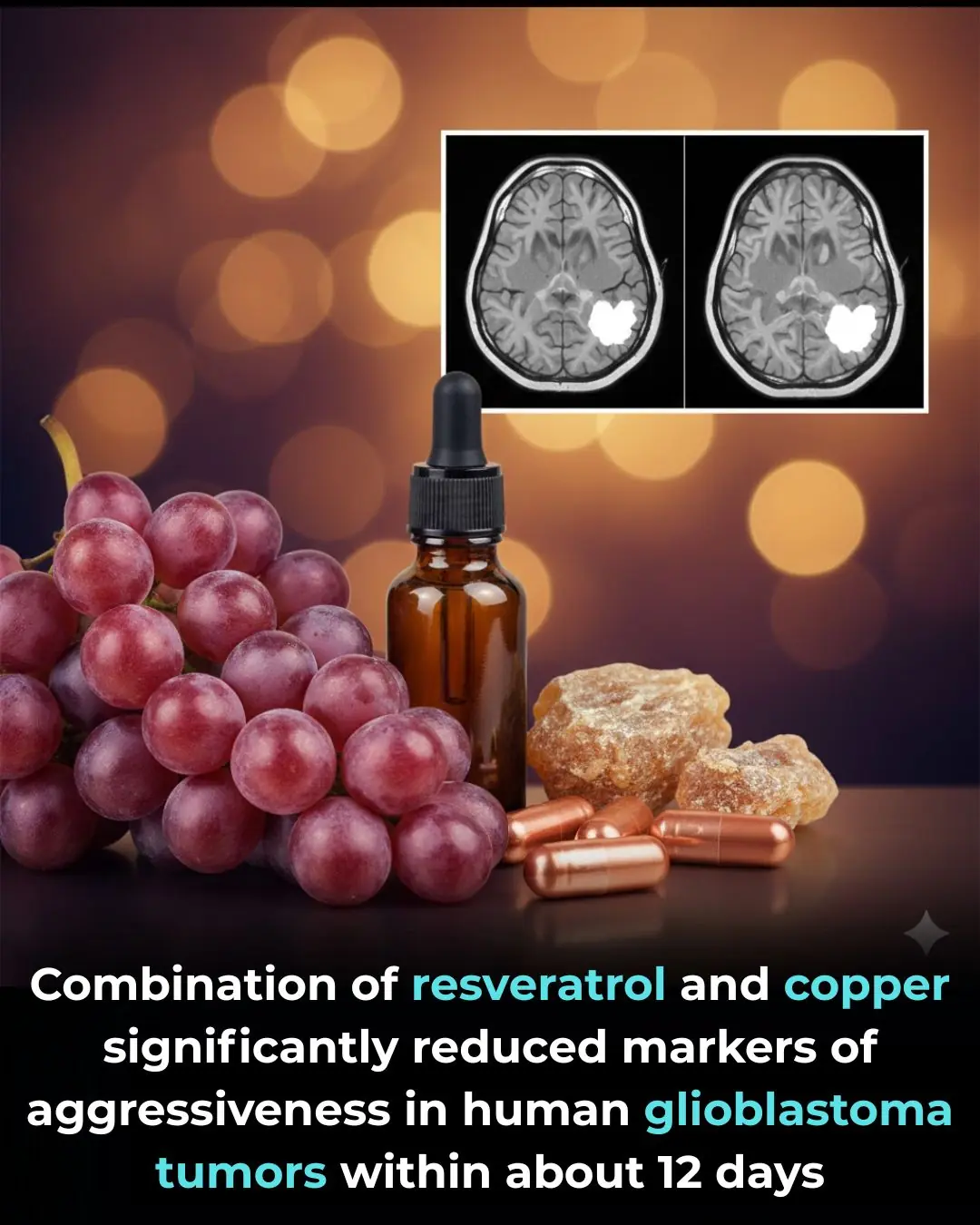
Combination of resveratrol and copper significantly reduced markers of aggressiveness in human glioblastoma tumors within about 12 days.

Astronomers Discover Earth-Sized Planet in the Habitable Zone Just 40 Light-Years Away

A Single Photon Powers the World’s Smallest Quantum Computer

The Most Dangerous Insect In The World Has Appeared

11 Quiet Habits of Adults Who Didn’t Feel Loved as Kids

Scientists Finally Explain Why Certain Songs Always Get Stuck in Your Head

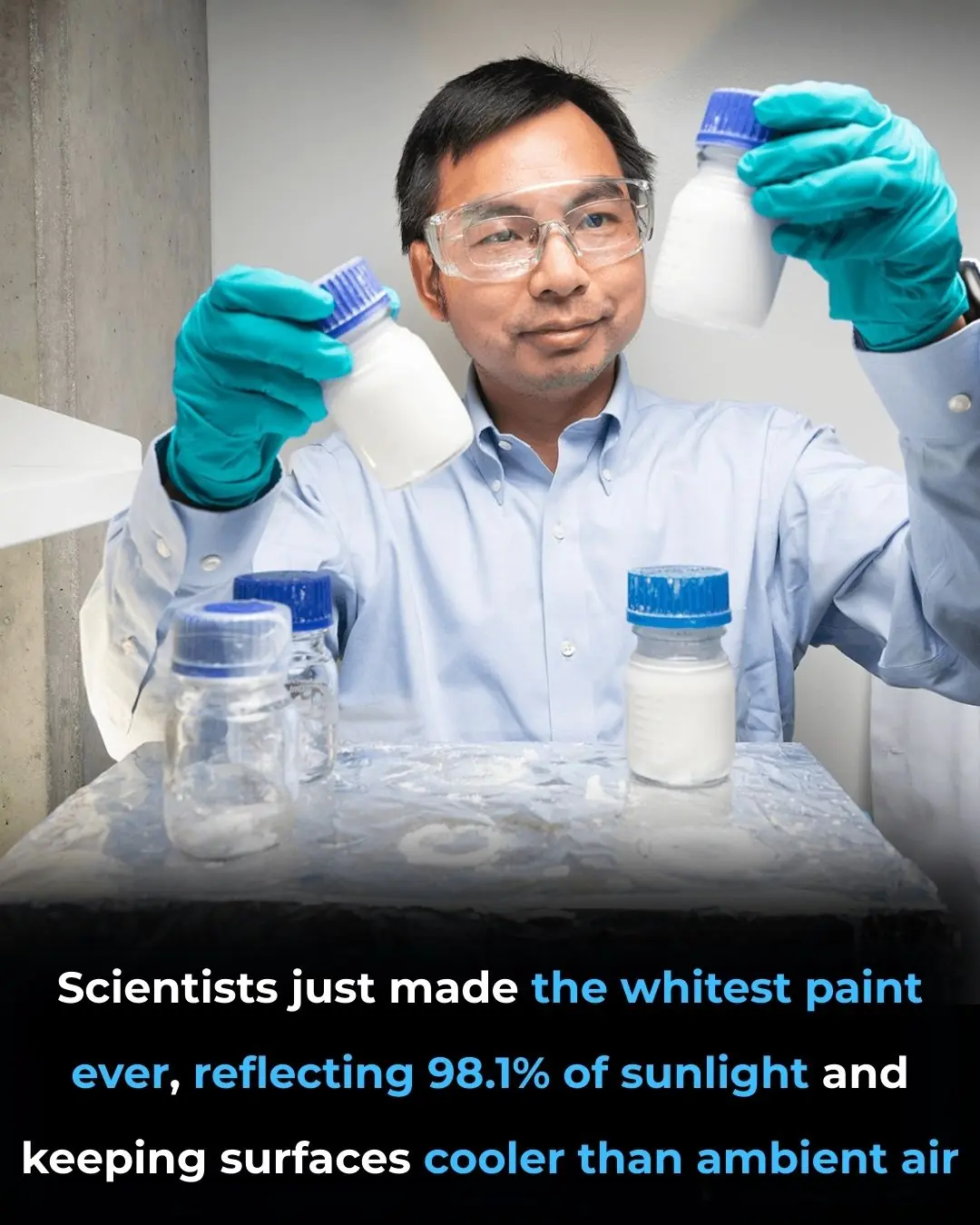
Purdue University’s Ultra-White Paint: A Breakthrough in Passive Radiative Cooling Technology

When One Disc Replaced a Mountain of Paper: The CD-ROM Moment That Redefined Digital Storage

Can You Spot The Problem With This Picture

Bending Ice Can Generate Electricity, Offering New Clues to How Lightning Forms

Strong Thigh Muscles Linked to Lower Risk of Heart Disease and Early Death, Study Finds

Earth Nears a Climate Danger Zone as 2024 Breaks Heat Records
News Post

The Mighty Dandelion: Nature’s Hidden Treasure

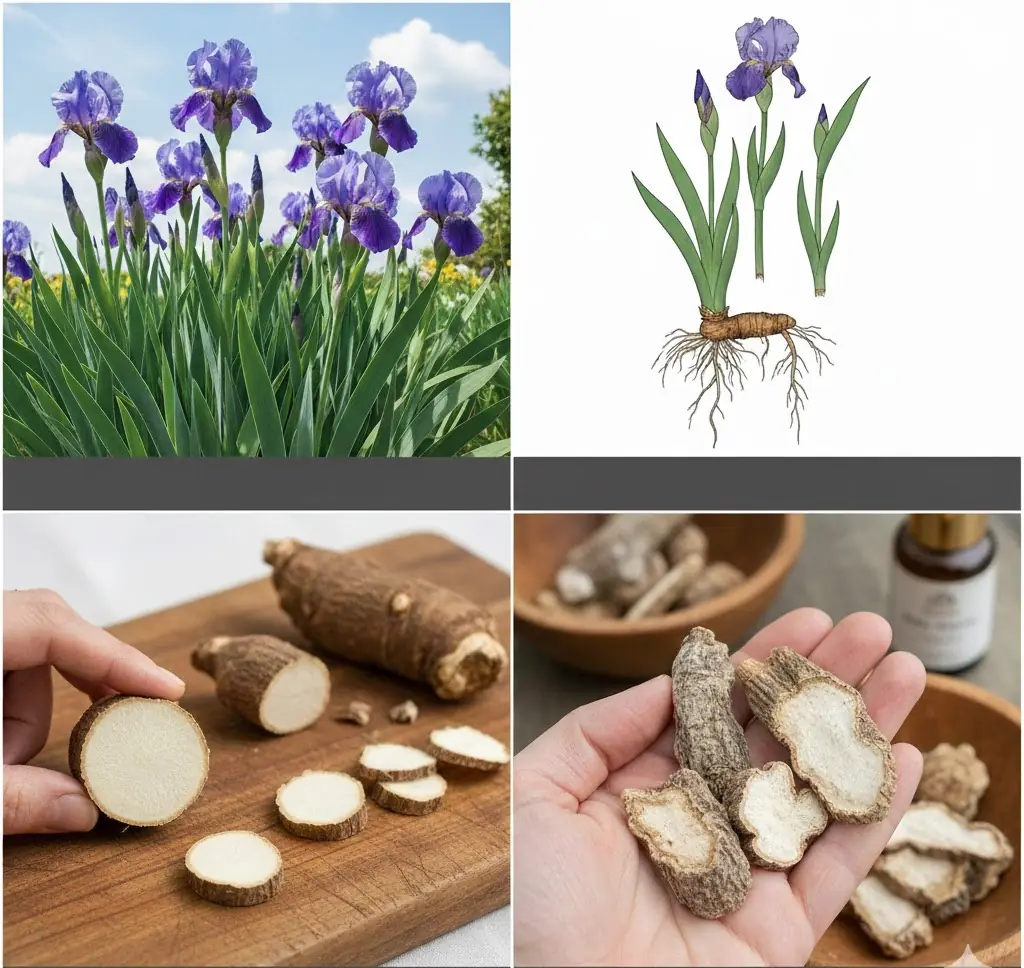
The Hidden Power of Iris Flowers: Ancient Beauty with Healing Potential

Metabolic Interventions in Oncology: The Impact of a Ketogenic Diet on Colorectal Tumor Progression

The Role of the Ketogenic Diet in Suppressing Colorectal Tumor Growth through Microbiome Modulation

Reversing Liver Fibrosis: The Therapeutic Potential of Vitamin B12 and Folic Acid in NAFLD

Metabolic Reprogramming: The Role of the Ketogenic Diet in Suppressing Colorectal Tumor Growth

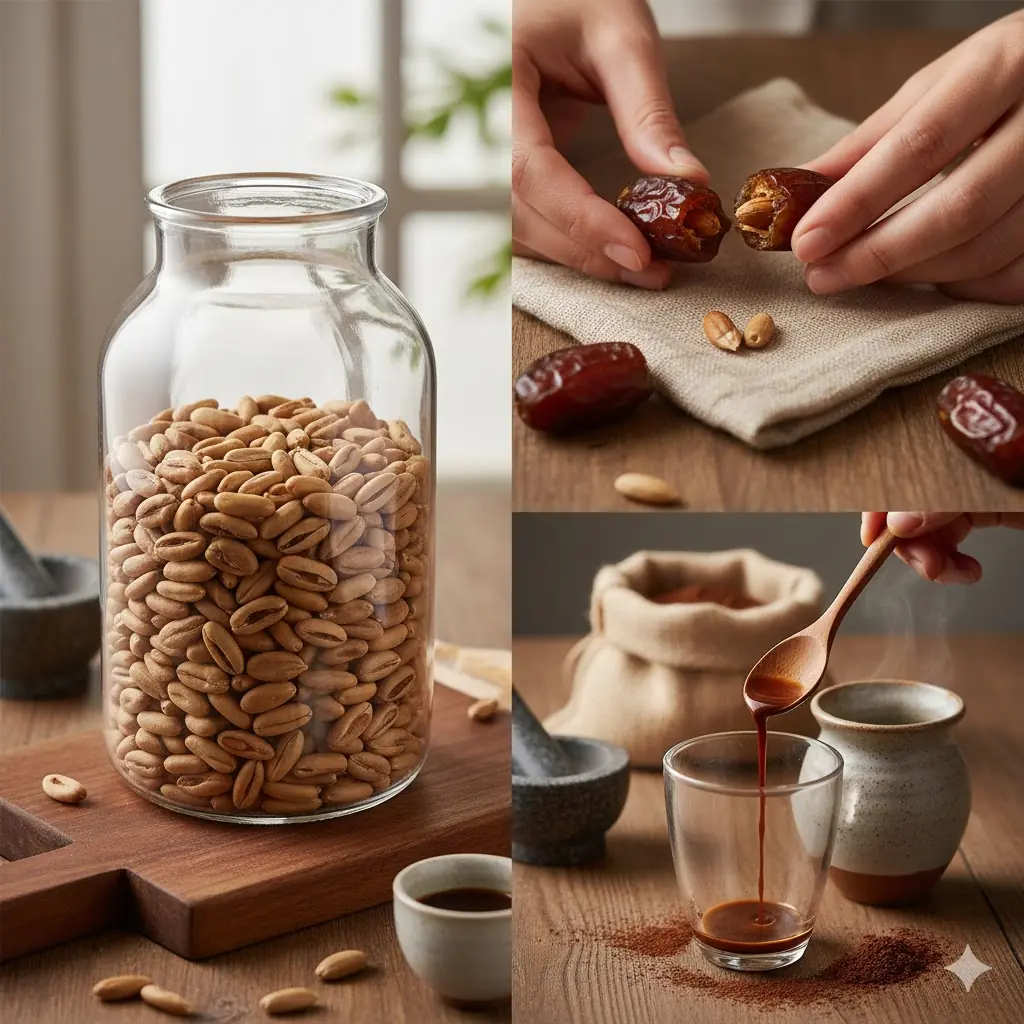
Date Seed Coffee: A Caffeine-Free Alternative with Surprising Benefits

The Impact of Ketogenic Diet on Colorectal Cancer: Microbiome Reshaping and Long-term Suppression

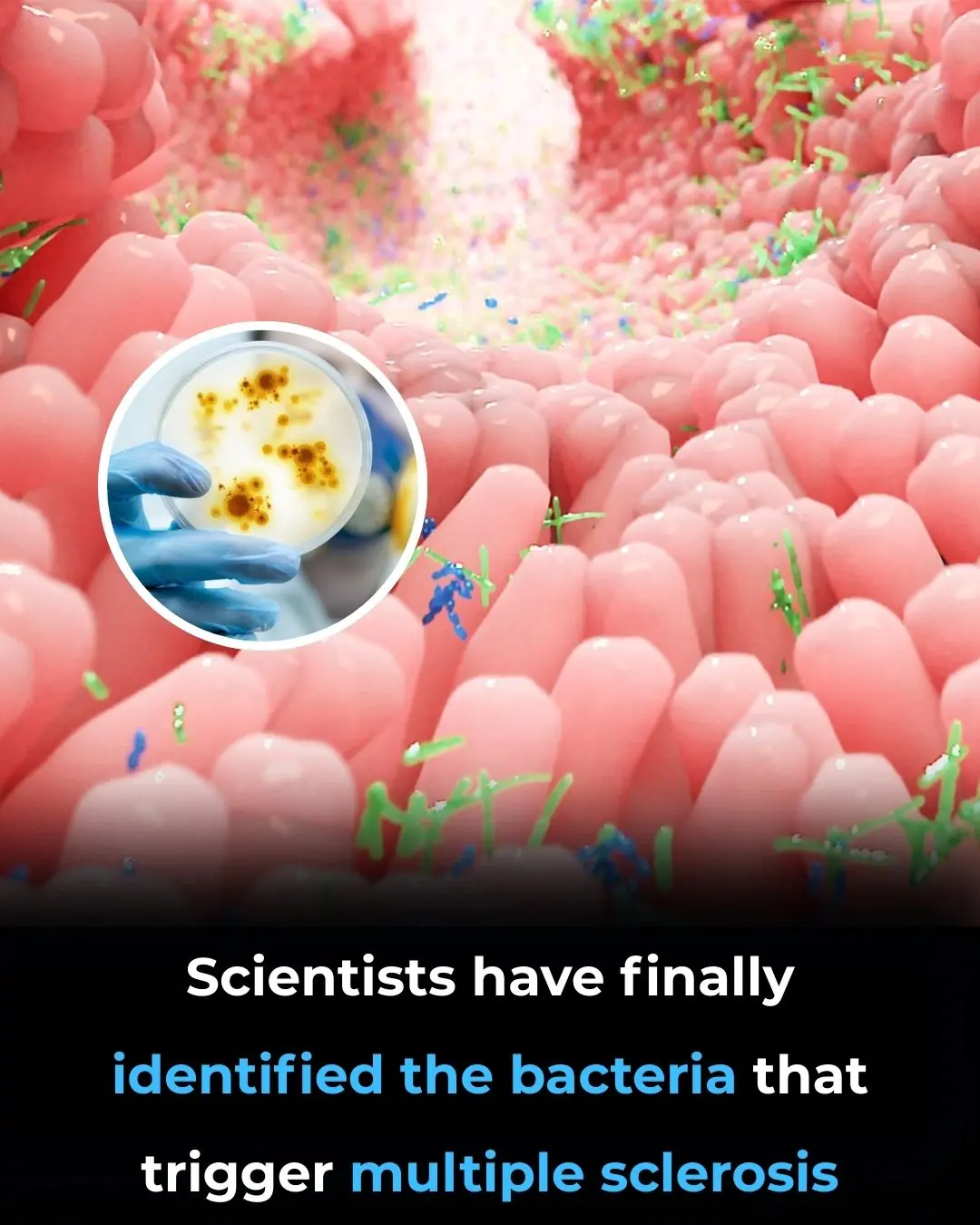
Scientists Have Finally Identified the Bacteria That Trigger Multiple Sclerosis

Why You Should Put Mullein Leaves on the Soles of Your Feet

12 Benefits of Bull Thistle Root and How to Use It Naturally

Radical New Study Suggests Alzheimer’s Has a Single Root Cause

Fish oil supplement reduces serious cardiovascular events by 43% in patients on dialysis, clinical trial finds.

Combination of resveratrol and copper significantly reduced markers of aggressiveness in human glioblastoma tumors within about 12 days.

Purslane: The Underestimated Superfood with Maximum Health Benefits

Astronomers Discover Earth-Sized Planet in the Habitable Zone Just 40 Light-Years Away

A Single Photon Powers the World’s Smallest Quantum Computer

Common Blood Pressure Drug Hydrochlorothiazide Linked to Higher Skin Cancer Risk, New Studies Warn