The Mighty Dandelion: Nature’s Hidden Treasure
Health 19/12/2025 00:44

Have you ever been sitting for a while, stood up, and suddenly felt tingling, numbness, or even sharp discomfort in your legs or feet? Or maybe by the end of a long day, your ankles feel tight, swollen, and heavy. These are not random annoyances—they’re some of the most common warning signs of poor circulation, a condition many people overlook until it becomes more serious.
Because your legs and feet are the farthest points from your heart, they’re often the first areas to show signs when blood flow is impaired. When circulation slows down, oxygen and nutrients struggle to reach tissues efficiently, while waste products linger longer than they should. Over time, this imbalance can lead to more than just discomfort—it can set the stage for significant health problems.
Poor circulation has been linked to edema (fluid retention and swelling), deep vein thrombosis (dangerous blood clots), and neuropathy, a form of nerve damage that causes burning, tingling, or stabbing pain. While prolonged sitting, inactivity, aging, high blood sugar, and cardiovascular issues all contribute, the encouraging news is this: you can take meaningful steps to improve circulation naturally.
In this guide, we’ll explore five of the most effective vitamins, enzymes, and plant-based compounds that help improve blood flow, protect blood vessels, and restore vitality to your legs and feet.
Poor circulation is more than discomfort: Reduced blood flow can lead to swelling, nerve pain, varicose veins, and life-threatening blood clots.
Targeted nutrition can address root causes: Certain nutrients thin the blood, dissolve clots, open arteries, strengthen veins, and reduce inflammation.
Top 5 circulation-supporting supplements: Nattokinase, Vitamin B3 (Niacin), phytonutrients from whole foods, Horse Chestnut extract, and a full-spectrum Vitamin C complex.
Lifestyle matters: Supplements are most effective when paired with regular movement, a clean diet, stress reduction, and avoiding smoking.

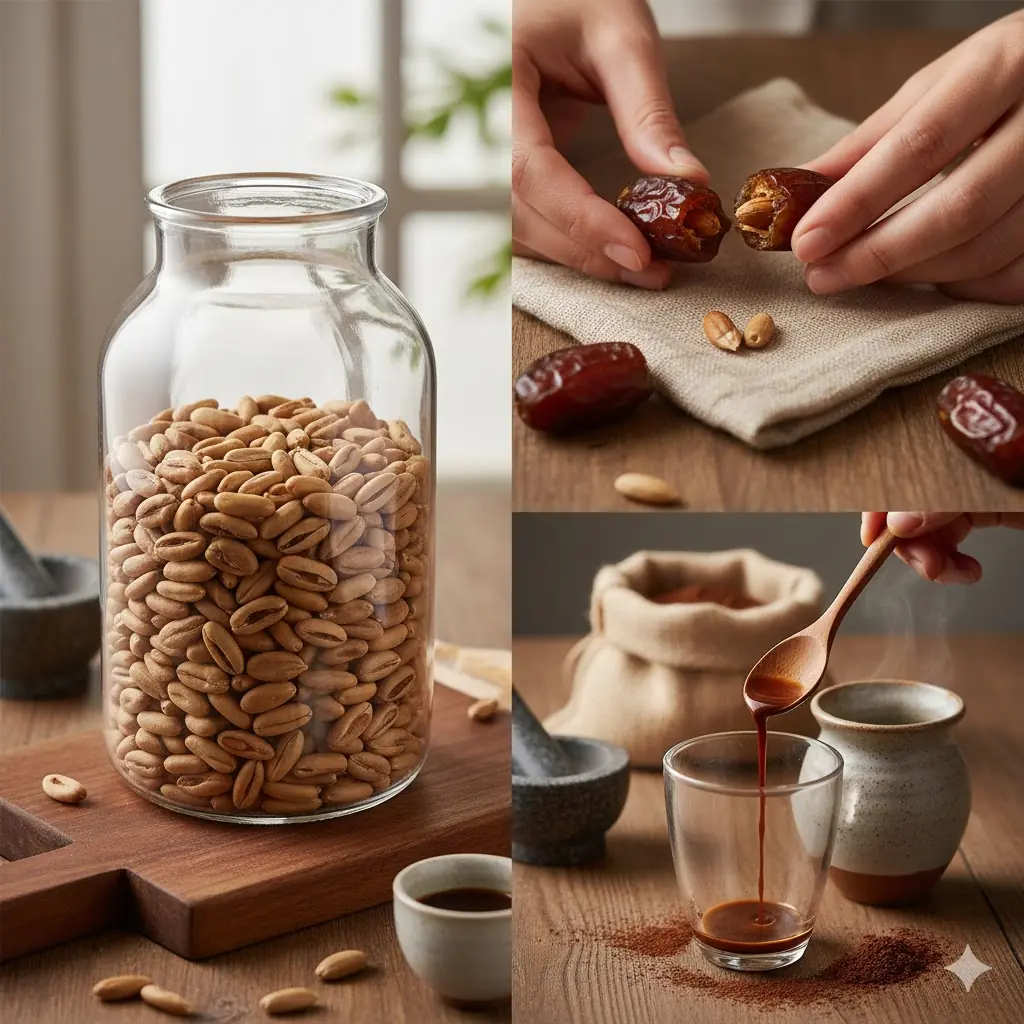
One of the most impressive natural compounds for circulation is Nattokinase, an enzyme derived from the fermentation of soybeans used to make the traditional Japanese food natto. Though it may sound unfamiliar, Nattokinase has been widely studied for its powerful effects on blood flow.
Taken as a supplement—typically 100 mg daily (providing 2,000 fibrinolytic units)—Nattokinase works by breaking down fibrin, a sticky protein that contributes to blood clots and vessel stiffness. Excess fibrin can narrow blood vessels, slow circulation, and increase clotting risk.
Think of Nattokinase as a gentle but effective internal cleanup crew. Its fibrinolytic action helps dissolve existing clots, reduce blood viscosity, and support smoother circulation from the heart down to the smallest capillaries in the feet. This makes it particularly helpful for preventing DVT, varicose veins, and chronic venous congestion.
⚠️ Because it naturally thins the blood, consult your doctor before using Nattokinase, especially if you take anticoagulant or antiplatelet medications.
Another major contributor to poor circulation is atherosclerosis, a condition where fatty plaque builds up inside arteries. This buildup causes arteries to become rigid and narrow, restricting blood flow and increasing the risk of swelling, leg pain, and clot formation.
Vitamin B3 (Niacin) is one of the most effective nutrients for counteracting this process. Niacin acts as a vasodilator, meaning it physically widens blood vessels, allowing blood to flow more freely through the lower extremities.
For circulation support, sustained-release Niacin (not Niacinamide) is recommended at 500 mg, one to three times daily. A common side effect is the “Niacin flush”—a warm, red sensation in the face and chest. While uncomfortable for some, this reaction is harmless and signals improved blood flow.
Beyond circulation, Niacin also helps:
Reduce LDL (“bad”) cholesterol adhesion to artery walls
Improve arterial flexibility
Lower long-term cardiovascular risk
Phytonutrients are natural compounds found in plants that exert powerful biological effects. Unlike isolated supplements, whole-food phytonutrients work synergistically, supporting circulation through multiple pathways.
Here are four standout options:
Fresh garlic contains allicin, a compound that naturally thins blood, reduces arterial stiffness, and lowers clot risk. Regular consumption supports both arterial and venous health.
Beets are rich in nitrates, which your body converts into nitric oxide—a signaling molecule that relaxes blood vessels and dramatically improves circulation, especially during movement.
Celery’s phthalides help relax smooth muscle in blood vessel walls, reducing blood pressure and enhancing blood flow to and from the heart.
Avocados deliver a rare compound called Avocatin B, along with potassium, magnesium, and healthy fats. This combination reduces inflammation and helps repair damaged blood vessels.
If you experience varicose veins, leg heaviness, aching, or visible blue veins, your circulation problem may stem from weak or damaged veins. When vein walls lose strength, blood pools in the lower legs instead of returning efficiently to the heart.
Horse Chestnut extract is a powerful herbal solution. Its active compound, aescin, has been shown in clinical studies to be as effective as compression stockings for improving venous circulation.
A standard dose of 300 mg daily can:
Improve vein tone and elasticity
Reduce leg swelling and fluid leakage
Support chronic venous insufficiency and DVT prevention
Other complementary herbs include butcher’s broom, grape seed extract, and maritime pine bark, which often work synergistically with Horse Chestnut.
Healthy circulation depends on strong, flexible blood vessels—and that requires collagen. This is where Vitamin C, in its natural, full-spectrum form, becomes essential.
Most supplements contain isolated ascorbic acid, but whole-food Vitamin C complexes include bioflavonoids and cofactors that dramatically improve absorption and effectiveness.
Natural sources like camu camu and acerola cherry powder are among the richest Vitamin C sources on Earth. Just one tablespoon daily supports:
Collagen production for arteries and veins
Antioxidant protection against vessel damage
Reduced inflammation and capillary fragility
As an added benefit, this form of Vitamin C also supports immunity, skin elasticity, and joint health.
Poor circulation in the legs and feet is not something you have to tolerate or accept as inevitable. Tingling, swelling, pain, and heaviness are signals—your body asking for support.
By using targeted nutrition such as Nattokinase, Niacin, phytonutrients, Horse Chestnut, and a true Vitamin C complex, you can actively improve blood flow, strengthen vessels, and reduce long-term risks. When combined with daily movement, proper hydration, stress management, and a whole-food diet, these strategies form a powerful, natural approach to circulatory health.
By restoring healthy blood flow, you’re not just improving your legs and feet—you’re revitalizing your entire body, one cell at a time.