2 tips for boiling pig ears to keep them white, crispy, and odorless.
Tips 19/12/2025 16:38
As the day winds down, you may notice that your ankles feel puffier than they did in the morning. For many people, this is a common occurrence and often nothing to worry about—but understanding the possible causes and knowing when to seek help can put your mind at ease.
Swollen ankles, particularly when they appear in the evenings, can arise from a variety of factors. Some causes are minor and related to daily activities, while others may indicate underlying health conditions that require medical attention. Distinguishing between these scenarios is key to managing symptoms effectively.
For many people, mild swelling by the end of the day is normal. Prolonged standing or sitting can cause fluid to pool in the lower legs due to gravity. This type of swelling, called peripheral edema, is usually mild and often resolves with rest and leg elevation.
High sodium intake is another common contributor. Eating salty foods can cause the body to retain water, leading to puffiness around the ankles. If the swelling is consistent but mild, without pain or other symptoms, it usually isn’t urgent. However, monitoring for changes is important in case the swelling worsens or becomes persistent.
Certain signs with ankle swelling warrant urgent medical evaluation:
Sudden or severe swelling, especially in only one leg, which could indicate a blood clot
Pain, redness, or warmth in the swollen area
Shortness of breath, chest pain, or rapid weight gain, which could signal heart or kidney issues
Fever or signs of infection in conjunction with swelling
If you notice any of these symptoms, seek medical attention immediately, as they may indicate serious conditions such as deep vein thrombosis, heart failure, or kidney disease.
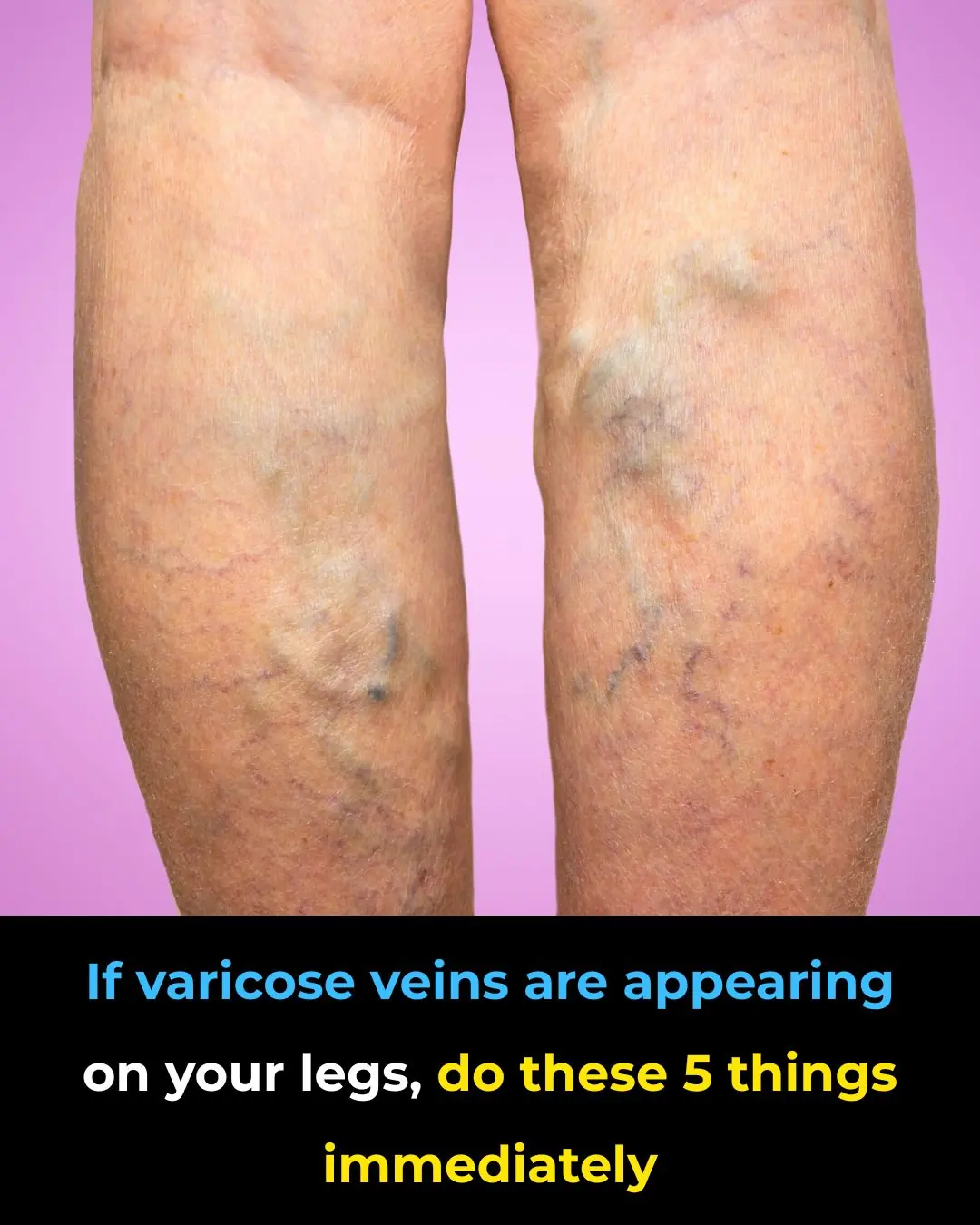
Chronic venous insufficiency (CVI) occurs when the veins in your legs cannot efficiently return blood to the heart. Blood pools in the lower legs, increasing pressure and causing fluid to leak into surrounding tissues, which leads to swelling.
Risk factors for CVI include:
History of blood clots
Obesity
Pregnancy
Prolonged standing or sedentary lifestyle
Symptoms often include swollen ankles, leg heaviness, and skin changes around the ankles. While not immediately dangerous, CVI requires evaluation to manage symptoms and prevent complications.
Swollen ankles can sometimes indicate systemic health issues:
Heart failure: Reduced heart function causes fluid to build up in the legs
Kidney disease: Impaired kidney function prevents effective fluid removal
Medications: Certain blood pressure drugs, diabetes medications, and anti-inflammatories can cause ankle swelling as a side effect
If you suspect medication may be contributing, consult your healthcare provider before making any changes.
A simple home evaluation can help you monitor swelling:
Observe size and color of your ankles at different times of day
Perform a thumb test: Press gently into the swollen area for a few seconds. If an indentation remains, it is called pitting edema
Keep a log: Record swelling patterns, associated symptoms, and potential triggers such as diet or activity
This information is valuable for your healthcare provider in determining the cause.
The legs-up-the-wall pose—lying on your back with legs elevated against a wall—can help reduce mild swelling by promoting blood return to the heart. Practicing this for 10–15 minutes daily can provide temporary relief. While it’s not a cure, it’s a safe way to ease fluid buildup if done comfortably.
Compression socks apply gentle pressure to the legs, supporting blood flow and reducing swelling. Key points for safe use:
Choose the correct size
Start with lower compression levels if new to wearing them
Wear during the day and remove before sleeping unless advised otherwise
Consult a healthcare provider if you experience discomfort or worsening symptoms
Simple lifestyle adjustments can make a big difference:
Leg elevation: Raise legs above heart level for 15–20 minutes several times daily
Regular activity: Walking, cycling, or stretching promotes circulation
Desk exercises: Ankle rolls, calf raises, or brief walking breaks every hour can prevent fluid buildup
Your diet can affect fluid balance:
High salt intake leads to water retention
Adequate hydration helps prevent sodium concentration from rising
Potassium-rich foods (bananas, leafy greens, sweet potatoes) help counteract sodium effects
Being mindful of diet, especially during holidays or periods of heavy eating, can help reduce ankle puffiness.
If you can’t see a doctor immediately, telehealth or nurse lines can provide guidance. Be prepared to describe:
Onset and severity of swelling
Whether it occurs in one or both legs
Associated symptoms such as pain, redness, or shortness of breath
This information helps professionals determine if urgent care is needed.
For suspected chronic venous insufficiency, a doctor may:
Conduct a physical exam
Order tests like Doppler ultrasound to assess blood flow
Review your medical history, lifestyle, and symptoms
Treatment plans may include lifestyle changes, compression therapy, or procedures to improve vein function.
Chronic ankle swelling often requires a combination of medical intervention and lifestyle adjustments:
Compression therapy supports veins and reduces fluid accumulation
Medical procedures (sclerotherapy, endovenous laser treatment) may be recommended for damaged veins
Lifestyle measures: Maintaining healthy weight, staying active, and following a low-sodium diet can prevent worsening symptoms and improve overall leg health
By addressing the root cause and practicing consistent self-care, swelling can be managed effectively and complications minimized.