Support Joint Health Naturally
Health 19/12/2025 16:24
Do your legs feel sore, achy, or stiff even though you can’t pinpoint a reason why? Leg pain when walking, resting, or even sleeping can be both frustrating and confusing. Discomfort such as tight calves, sore hamstrings, pain behind the knee, throbbing cramps, stiffness, or tingling sensations traveling down one leg can significantly interfere with daily activities and overall quality of life.
While it may feel as though your legs are sore “for no reason,” pain is almost always a signal that something in the body is not functioning as it should. You may have strained a muscle without noticing, compressed a nerve in your back or hip, or developed muscle soreness days after physical activity. Conditions such as varicose veins, arthritis, nerve compression, or tendon inflammation can also cause leg pain without obvious warning signs.
Even when the cause is not immediately clear, leg pain usually has an explanation. Identifying the underlying issue is essential for proper treatment and preventing future discomfort.
This article explores the most common reasons why your legs may feel sore without an obvious cause, helping you better understand what your body may be telling you.
Your legs bear your body weight every day and are constantly exposed to strain. Minor muscle tears, nerve irritation, joint inflammation, or circulatory issues can develop gradually and go unnoticed until pain appears.
Some of the most common hidden causes of unexplained leg pain include:
Muscle cramps or delayed onset muscle soreness (DOMS) that appear long after exercise
Nerve-related conditions, such as sciatica or a pinched nerve
Circulatory problems, including varicose veins or blood clots
Repetitive strain injuries affecting muscles, ligaments, or tendons
Joint or connective tissue inflammation
Muscle cramps—often referred to as “Charley horses”—can strike suddenly and cause intense pain, usually in the calves. These involuntary contractions may last from a few seconds to several minutes, and lingering soreness can persist for hours or even a full day.
Research published in Medical Hypotheses suggests that gradual wear and tear on leg muscles often goes unnoticed until stiffness or pain develops. Additionally, studies indicate that people who are overweight are more likely to experience frequent leg cramps, often due to venous insufficiency that interferes with proper blood flow.
Regular stretching, proper hydration, and improving circulation can help reduce both the severity and frequency of muscle cramps.
DOMS is a common cause of leg pain that appears one to two days after physical activity, especially after unfamiliar or strenuous exercise. Because the soreness develops later, many people assume it has no cause.
According to the Journal of Sports Medicine and Physical Fitness, DOMS often affects muscles below the knee and can result in stiffness, cramping, reduced strength, and pain when moving. Applying moist heat, gentle stretching, and light activity can help relieve symptoms.
Sciatica occurs when the sciatic nerve is compressed, often by a herniated disc in the lower spine. This can cause sharp, burning, or throbbing pain that radiates down one leg, sometimes reaching the foot or toes.
The BMJ reports that leg pain is the most common symptom of sciatica, often accompanied by tingling, numbness, muscle weakness, or pain in one buttock. Stretching, targeted exercises, heat therapy, and Epsom salt baths may help relieve symptoms.
Piriformis syndrome develops when the piriformis muscle in the buttock irritates the sciatic nerve. This condition can cause aching pain in the thigh, tingling in the lower leg, and soreness that seems to appear without warning.
Stretching, proper warm-ups before exercise, and muscle-relaxing essential oils such as lavender or peppermint may help reduce discomfort.
A compressed nerve in the hip or spine can cause pain that travels along the nerve pathway, resulting in aching legs, burning sensations, numbness, or muscle weakness. The Mayo Clinic notes that nerve compression may affect one or both legs and worsen with movement.
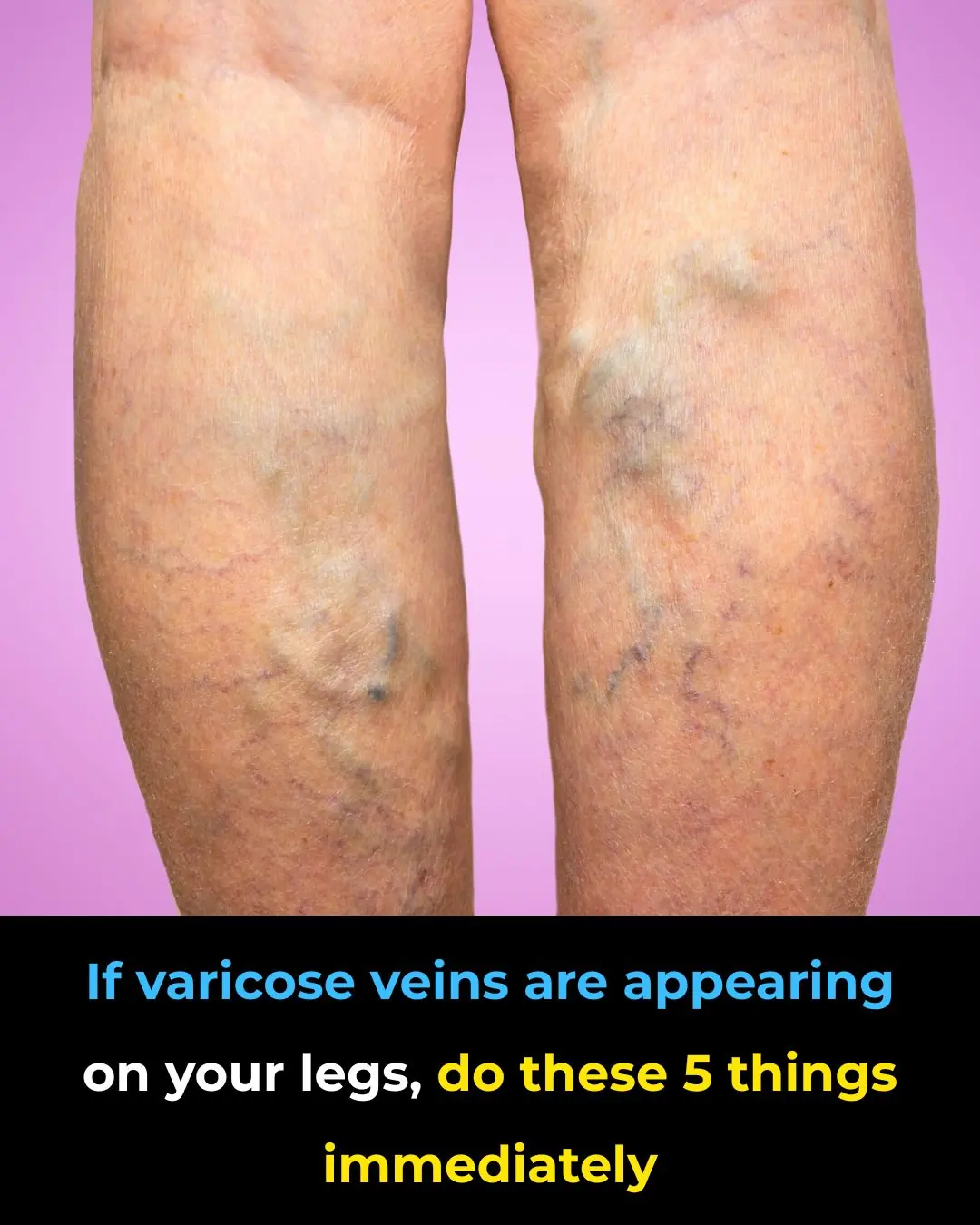
Varicose veins are swollen, twisted veins that often cause aching, heaviness, and throbbing pain—especially after long periods of standing or sitting. Even veins that don’t appear severe can cause deep discomfort.
Leg pain from varicose veins often worsens in the evening and may cause nighttime cramps or itching. Improving circulation through exercise, leg elevation, compression stockings, and supportive footwear can help manage symptoms.
A blood clot in a deep vein can cause unexplained pain, tenderness, warmth, and swelling in the calf or thigh. Because blood clots are not visible, pain may seem to occur “for no reason.”
According to the Journal of Blood Medicine, DVT can be life-threatening if the clot travels to the lungs. Sudden calf pain, swelling, or warmth should be treated as a medical emergency.
PAD develops when arteries narrow due to plaque buildup, reducing blood flow to the legs. This can cause leg pain during walking, muscle fatigue, and cramping that improves with rest.
Left untreated, PAD can lead to ulcers, infections, and tissue damage. Regular exercise and cardiovascular health management are essential for prevention.
Shin splints can cause pain along the shinbone and calf muscles, often due to improper footwear, flat feet, or weak stabilizing muscles. This condition is common in runners and individuals who increase activity too quickly.
Achilles tendon inflammation may develop gradually from repetitive strain rather than a single injury. This often leads to calf tightness, stiffness, and pain that worsens after activity.
Rest, ice, and reducing strain on the tendon are usually effective early treatments.
Hamstring injuries don’t always result from a sudden incident. Gradual strain can cause soreness, swelling, and tenderness that develops over time, making it difficult to identify the cause.
Repetitive stress on the knee can weaken the anterior cruciate ligament (ACL), causing fatigue, instability, and leg pain without a clear injury.
Nerve damage caused by diabetes can result in stabbing pain, tingling, or numbness in the legs. Proper blood sugar control is essential to prevent progression.
Repeated use of muscles can lead to chronic soreness, tightness, and nerve-related symptoms such as tingling or numbness—even without a specific injury.
Fibromyalgia is a chronic condition characterized by widespread muscle pain, fatigue, sleep disturbances, and weakness. Pain often occurs without an obvious cause and may persist long-term.
Lyme disease symptoms may appear weeks or months after a tick bite. Joint swelling, leg pain, and recurring muscle aches can develop long after the initial infection.
Autoimmune diseases such as lupus can cause unexplained muscle pain, weakness, and difficulty walking, sometimes years before diagnosis.
Arthritis – joint inflammation affecting surrounding muscles
Baker’s cyst – fluid buildup behind the knee
Gout – sudden, severe joint pain affecting walking
Shingles – nerve pain that mimics sciatica
You should seek medical evaluation if leg pain occurs with:
Unexplained swelling, redness, or warmth
Persistent or worsening pain
Sudden severe calf pain
Leg swelling accompanied by breathing difficulties
Pain that does not improve with home treatment
Unexplained leg pain can range from harmless muscle strain to serious medical conditions. Early diagnosis is key to effective treatment and long-term relief.