Add this one thing when mopping the floor, and your house will be spotless like new—dust won’t settle for a whole week
Tips 19/12/2025 05:13
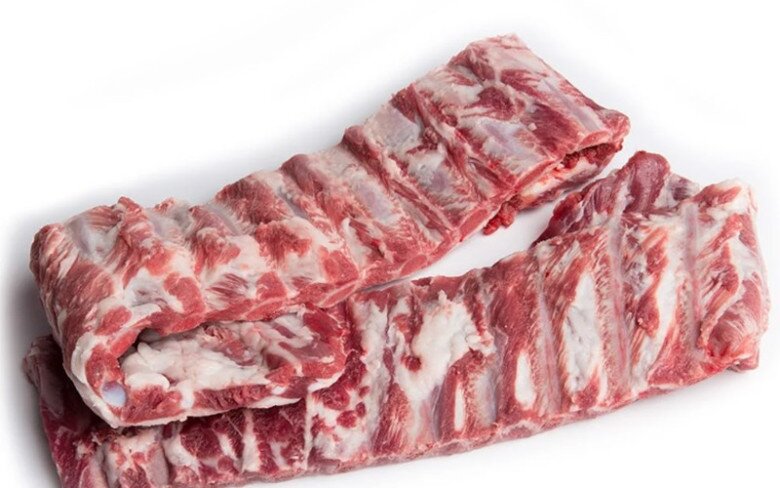
Missing This One Step Is Why Many People’s Pork Rib Soup Lacks Aroma and Turns Cloudy
Pork rib soup is a familiar dish in many family meals, yet not everyone manages to cook it well. In many cases, the broth turns cloudy, the ribs smell unpleasant, the meat becomes dry, and the soup lacks its natural sweetness. The problem usually does not lie in the recipe itself, but in how the ribs are selected and handled from the very beginning.
When buying ribs, you should choose pieces with a natural pinkish-red color, a dry surface, and firm flesh that is not slippery to the touch. Ribs that look pale, feel sticky, or have an unusual smell are often no longer fresh, and even thorough cooking will not make them taste good.
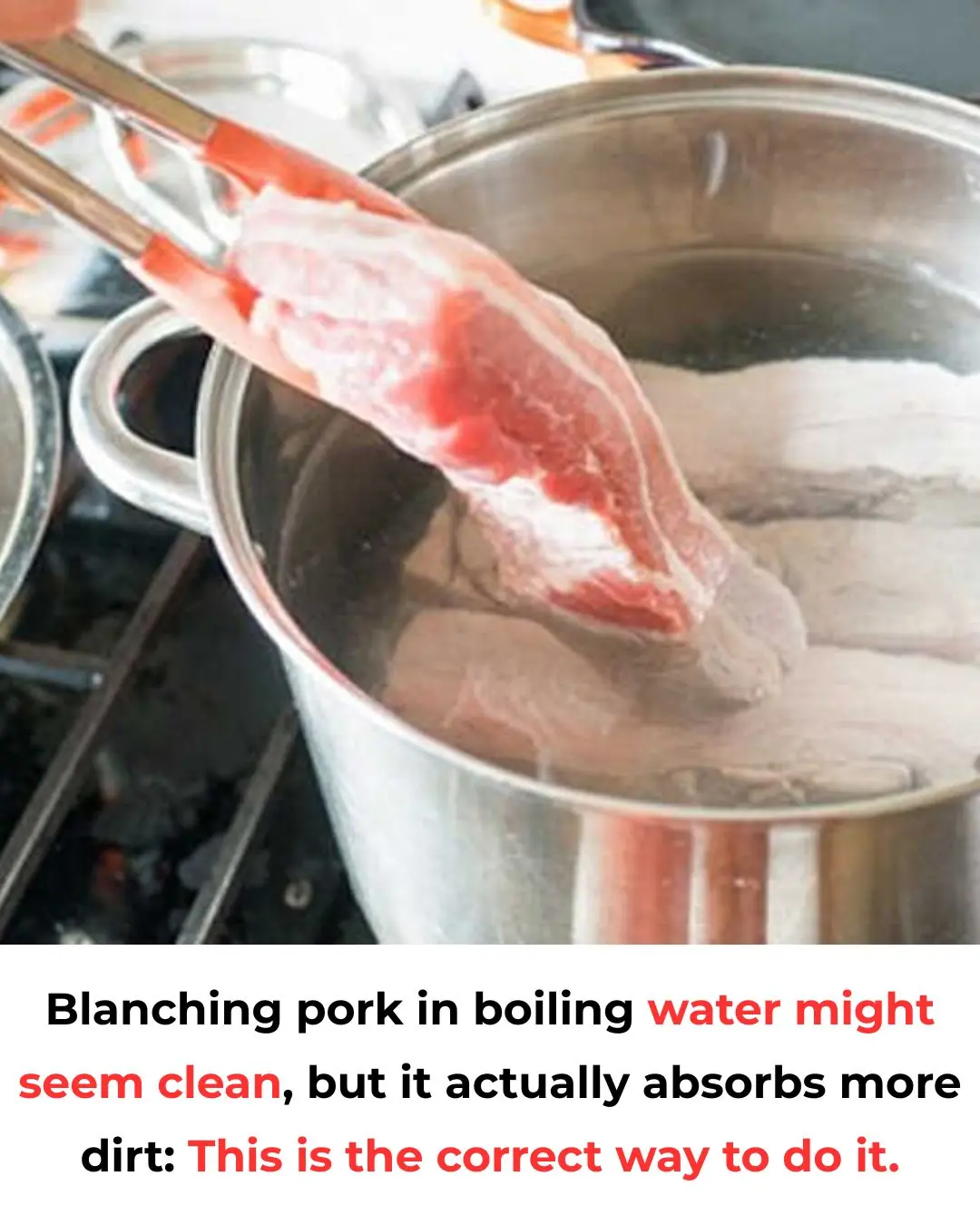
Some people blanch ribs before stewing, while others simmer them directly. Chefs say both methods are wrong, and the correct approach is one that few people know. A common mistake is either putting the ribs straight into the pot or only blanching them briefly in boiling water. According to many chefs’ experience, neither method is ideal. Cooking ribs directly causes residual blood in the bones to dissolve into the broth, creating an unpleasant odor. Quick blanching, on the other hand, is not enough to thoroughly clean the ribs or help the meat become tender.
The proper method is to soak the ribs in cold water mixed with baking soda before blanching. Baking soda is mildly alkaline, which helps draw out trapped blood from the bones and tenderizes the meat more quickly. As a result, the soup becomes clear, naturally sweet, and free from any fishy or gamey smell.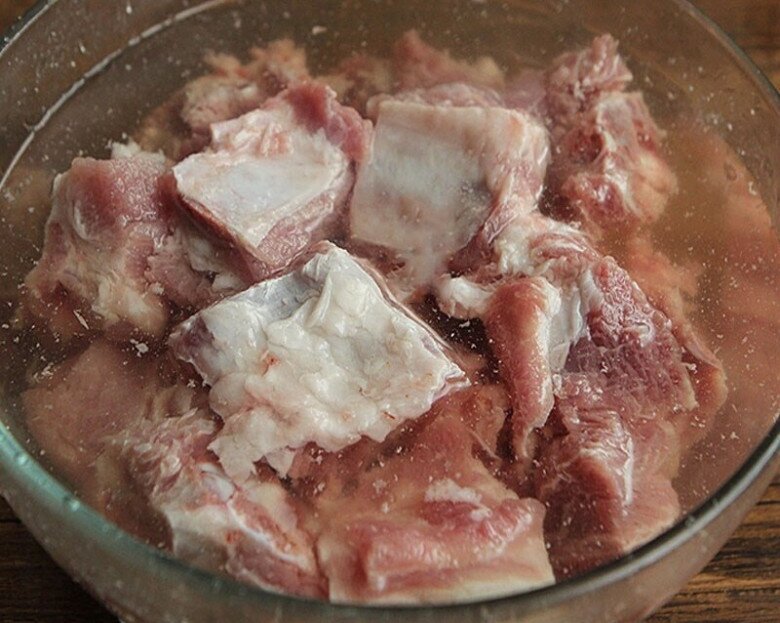
Below is a simple and practical recipe for pork rib soup with white radish, producing tender ribs, a clean aroma, and a crystal-clear broth:
Pork ribs: about 1 kg
White radish (daikon): about 750 g
Baking soda: 3 g
Ginger: 10 g
Salt, white cooking wine, white pepper, scallions: to taste
Step 1: Soak the ribs
Chop the ribs into bite-sized pieces. Place them in a basin of cold water, add the baking soda, stir well, and soak for about 1 hour. Remove and drain.
Step 2: Blanch the ribs
Place the ribs in a pot of cold water and bring to a boil. Cook for 5–7 minutes. Skim off the foam as it rises, simmer for a few more minutes, then remove the ribs and rinse them under warm water to fully eliminate impurities.
Step 3: Stir-fry to remove odor
Heat a small amount of oil in a pan. Add the ribs and ginger, stir-frying over high heat until the ribs firm up. Drizzle one tablespoon of white cooking wine around the pan, stir for about 30 seconds, then turn off the heat. This step enhances the aroma and removes any lingering odor.
Step 4: Prepare the radish
Peel and wash the white radish, then cut it into diagonal chunks. This helps it soften faster and look more appealing once cooked.
Step 5: Simmer the soup
Add the ribs, radish, and enough water to the pot. Simmer over medium heat for about 45 minutes. Once both the ribs and radish are tender, season with salt and white pepper. Cook for a few more minutes, then sprinkle with chopped scallions and serve.
Soaking the ribs in baking soda is the key step that makes the soup clear, sweet, and free of unpleasant odors. With just this small extra step, the quality of the soup improves dramatically.