Sudden Confusion or Trouble Speaking: When It’s More Than Just Fatigue
Health 21/12/2025 01:29

Arteries are the body’s internal plumbing system. They transport oxygen-rich blood and vital nutrients to every cell, tissue, and organ. Just as a house cannot function properly with blocked or damaged pipes, the human body cannot stay healthy when arteries become narrowed, clogged, or hardened.
Unfortunately, modern lifestyle habits often work against arterial health. Diets high in saturated fats, processed sugars, and chemical additives—combined with smoking, excessive alcohol consumption, chronic stress, and lack of physical activity—cause fatty deposits to build up along arterial walls. Over time, this buildup reduces the diameter of the arteries and restricts blood flow.
This condition is known as atherosclerosis, or hardening and thickening of the arteries due to plaque accumulation. It is one of the leading risk factors for heart disease, heart attacks, and strokes. Today, cardiovascular disease remains the number one cause of death worldwide, especially in Western countries, affecting people of all ages and backgrounds.
The encouraging news is that arterial damage is not always permanent. According to WebMD, simple lifestyle changes—especially improvements in diet—can reverse some of the damage caused to arteries. They reference the work of Dr. Dean Ornish, whose research demonstrates that comprehensive lifestyle changes can significantly improve heart health.
In his studies, even individuals with severely blocked coronary arteries experienced noticeable improvement after just one year. After five years, the reversal of arterial blockages was even more pronounced. These findings show that the body has a remarkable ability to heal when given the right conditions.
You can learn more about this topic in the article 5 Lifestyle Changes That Could Prevent Nearly 80% of Heart Attacks.
Just as poor food choices can damage arteries, the right foods can protect them, reduce inflammation, and slow or even reverse plaque buildup. Below is a list of powerful, science-backed foods that support arterial health and help prevent clogged arteries.
Kiwifruit and cantaloupe are rich in antioxidants that help lower LDL (“bad”) cholesterol and reduce plaque formation in the arteries. Research has shown that kiwifruit can improve cardiovascular risk markers, including cholesterol levels and blood pressure.
Cantaloupe is also packed with fiber, potassium, vitamin C, and choline—nutrients that support heart function and vascular health. Eating one kiwifruit a day or one cup of cantaloupe is a simple way to protect your arteries.
Fatty fish such as salmon, tuna, sardines, and herring are excellent sources of omega-3 fatty acids. These healthy fats reduce inflammation, prevent plaque buildup, and improve blood vessel elasticity.
According to Harvard Medical School, regular fish consumption is associated with a lower risk of heart attacks. Choose sustainably caught fish whenever possible, and avoid farmed salmon, which may contain harmful chemicals and lower omega-3 content.
Red grapes and berries—such as strawberries, blueberries, cherries, and cranberries—are rich in flavonoids and antioxidants. These compounds prevent LDL cholesterol from oxidizing, which is a key step in plaque formation.
Studies published in the journal Nutrients suggest that flavonoids help protect arterial walls and reduce cardiovascular disease risk. Whenever possible, choose organic berries to minimize pesticide exposure.
Garlic has long been valued for its medicinal properties. It helps lower blood pressure, reduce LDL cholesterol, and improve circulation. Research shows that garlic supplementation can both prevent heart disease and alleviate existing cardiovascular symptoms.
For best results, consume one to two raw, minced garlic cloves daily. If using supplements, look for standardized allicin content, which is garlic’s active compound.
Apples and grapefruits contain pectin, a soluble fiber that lowers LDL cholesterol by helping remove it from the bloodstream. These fruits are also rich in potassium and magnesium, which help regulate blood pressure and prevent plaque accumulation.
The saying “an apple a day keeps the doctor away” has strong scientific backing when it comes to heart health.
Spinach is loaded with vitamins A and C, both of which help prevent LDL oxidation. Vitamin C, in particular, is a powerful antioxidant that slows the progression of atherosclerosis.
Spinach also contains potassium and folate, which support healthy blood pressure and improve blood vessel function. Adding spinach to your meals regularly can significantly benefit your cardiovascular system.
Extra virgin olive oil (EVOO) is a cornerstone of the heart-healthy Mediterranean diet. Studies show that consuming one to two tablespoons per day can reduce inflammation, improve cholesterol balance, and protect arteries from damage.
Use EVOO in moderation, as it is still a fat. Research suggests that as little as 40 ml per week can provide cardiovascular protection.
Tomatoes are rich in lycopene, a potent antioxidant that prevents LDL oxidation and reduces arterial stiffness. Regular tomato consumption has been linked to a 50% reduction in atherosclerosis risk.
They also contain potassium, vitamin C, folate, and vitamin E, making them one of the most heart-protective vegetables available.
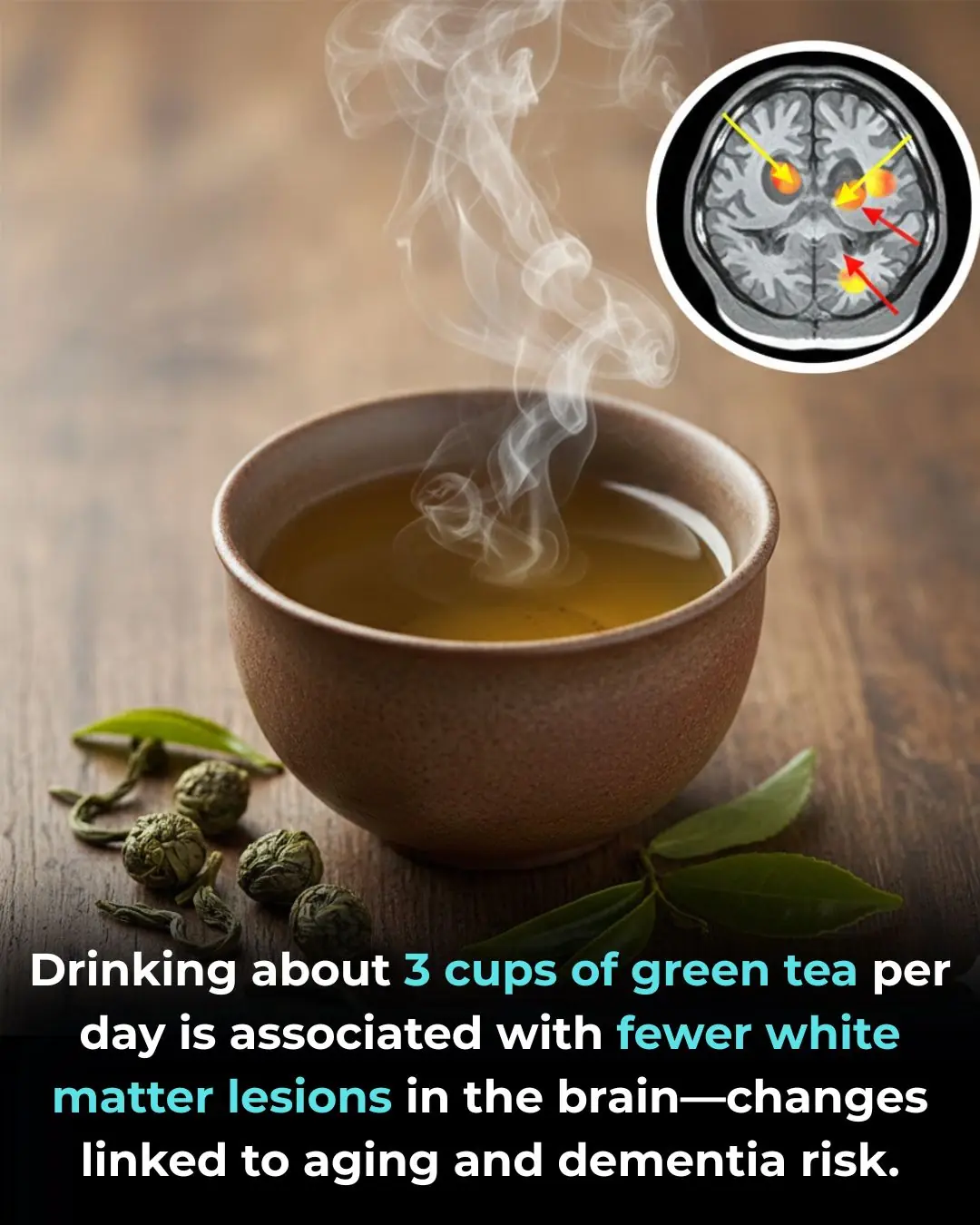
Green tea is packed with flavonoids that reduce inflammation and oxidative stress in blood vessels. Drinking two to three cups per day has been associated with a lower risk of stroke and heart disease.
Green tea also helps prevent blood clot formation and supports the health of arterial linings.
Pomegranate is one of the most powerful antioxidant-rich fruits for heart health. Multiple studies have shown that pomegranate juice can prevent and even reverse atherosclerosis.
Research published in the American Journal of Clinical Nutrition found that pomegranate juice reduced plaque formation and LDL oxidation. In patients with carotid artery narrowing, daily pomegranate juice consumption led to a 30% reduction in arterial stenosis and lower blood pressure.
Pomegranate has anti-inflammatory, blood-pressure-lowering, antibacterial, and antioxidant properties. As little as two ounces of pomegranate juice daily may provide measurable heart benefits.
Oats and other whole grains are high in soluble fiber, which binds to LDL cholesterol and removes it from the body. Numerous studies confirm that whole grains help keep artery walls clean and significantly reduce heart disease risk.
Eating ½ cup of oat bran daily is an effective way to improve cholesterol levels and support vascular health.
Walnuts are rich in polyunsaturated fats and omega-3 fatty acids, which help reduce inflammation, improve cholesterol balance, and regulate blood pressure.
A small handful of walnuts per day supports healthy blood flow and reduces the risk of heart disease and type 2 diabetes.
Turmeric contains curcumin, a compound with strong anti-inflammatory and antioxidant effects. Research suggests that curcumin may prevent fatty deposits from forming in arteries, reducing the risk of heart attacks and strokes.
Adding turmeric to meals or consuming it with black pepper (to improve absorption) can provide long-term cardiovascular benefits.
Your arteries play a vital role in overall health and longevity. While poor lifestyle choices can damage them over time, the right foods and habits can protect, cleanse, and even repair your blood vessels. By making smart dietary choices and adopting heart-healthy habits, you can significantly reduce your risk of cardiovascular disease and support your body’s natural healing abilities.