Sudden Confusion or Trouble Speaking: When It’s More Than Just Fatigue
Health 21/12/2025 01:29
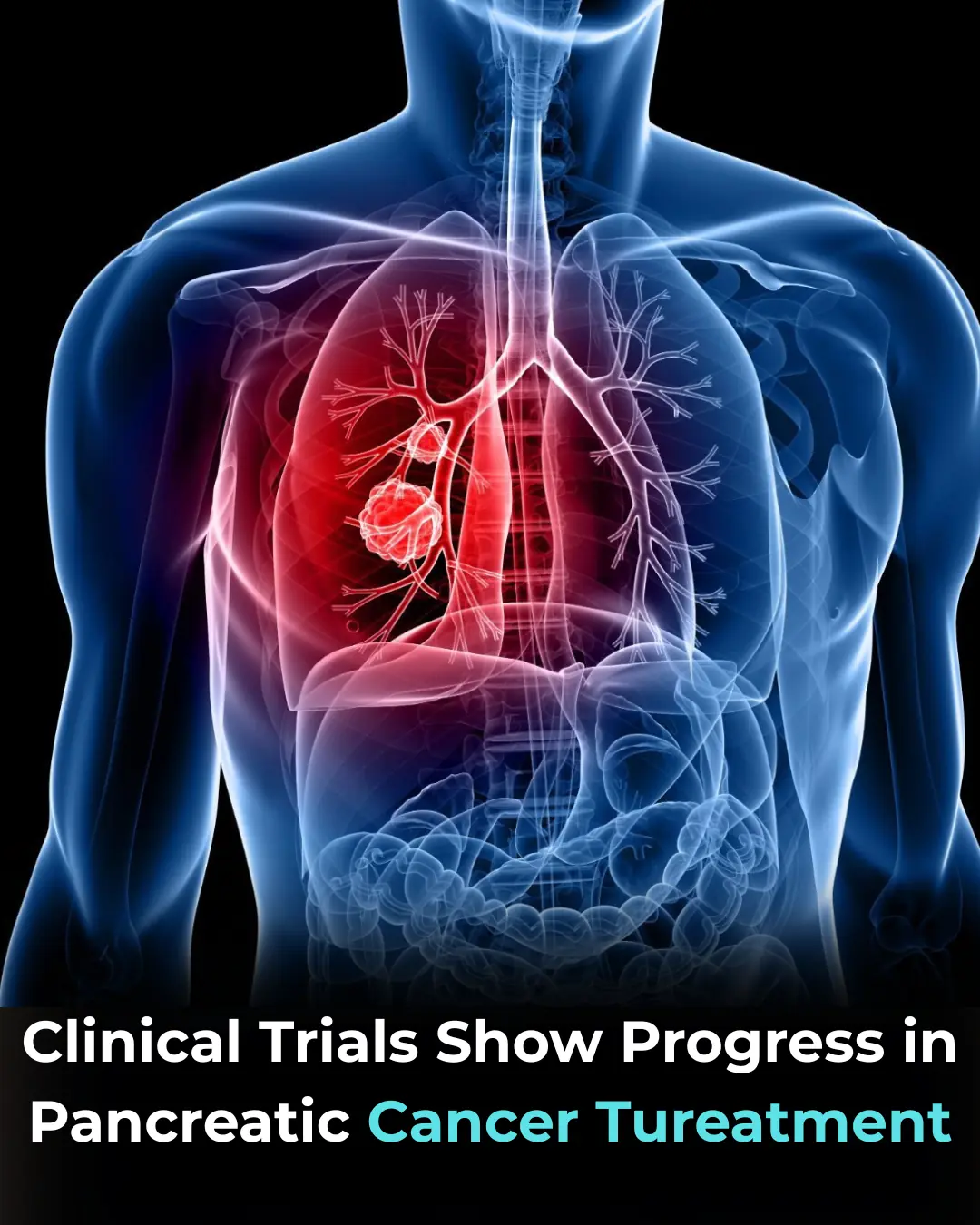
Pancreatic cancer has long been considered one of the most difficult and deadly forms of cancer to treat. Often diagnosed at an advanced stage, the disease is notoriously resistant to traditional therapies and has historically carried a poor prognosis. However, recent clinical trials are beginning to challenge this bleak outlook.
Scientists and clinicians around the world are now reporting meaningful progress through innovative treatment strategies. These advances range from targeting cancer-driving mutations once believed to be “undruggable,” to reprogramming the immune system to recognize pancreatic tumors, and even using artificial intelligence (AI) to detect the disease earlier than ever before.
Together, these breakthroughs signal a potential turning point in the fight against pancreatic cancer.
One of the most significant challenges in pancreatic cancer has been its genetic complexity. A large proportion of pancreatic tumors are driven by mutations in genes such as KRAS, which for decades were considered impossible to target with drugs.
Recent clinical trials, however, have begun to overturn this assumption. Researchers have developed novel small-molecule inhibitors capable of selectively blocking specific mutant forms of KRAS and related signaling pathways. These therapies aim to shut down the molecular engines that fuel tumor growth and spread.
Early-phase trials suggest that some of these targeted agents can slow disease progression in selected patients, particularly when used in combination with chemotherapy or other targeted drugs. While these treatments are not yet cures, they represent an important step toward personalized, mutation-specific therapy in pancreatic cancer.
Unlike melanoma or lung cancer, pancreatic cancer has historically been resistant to immunotherapy. The tumors are often described as “immunologically cold,” meaning they are effectively invisible to the body’s immune defenses.
New clinical trials are attempting to change that narrative. Researchers are testing strategies designed to “re-educate” the immune system, enabling it to recognize and attack pancreatic cancer cells.
These approaches include:
Cancer vaccines that train immune cells to recognize tumor-specific antigens
Checkpoint inhibitors combined with immune-stimulating agents to overcome immune suppression
Adoptive cell therapies, including engineered T cells tailored to pancreatic tumor markers
Early results suggest that, in carefully selected patients, these methods can provoke measurable immune responses and, in some cases, prolonged disease stabilization. While immunotherapy is not yet broadly effective for pancreatic cancer, progress is being made in understanding how to unlock its potential.
Perhaps one of the most transformative developments is the use of artificial intelligence to identify pancreatic cancer at earlier, more treatable stages.
Pancreatic cancer is often diagnosed late because early symptoms are vague or absent. To address this, researchers are applying AI and machine-learning algorithms to analyze:
Medical imaging scans
Electronic health records
Subtle patterns in blood tests and biomarkers
These systems can detect warning signs that may escape human observation, flagging high-risk individuals for further testing. Some studies have demonstrated that AI tools can identify pancreatic cancer months—or even years—before a clinical diagnosis would normally occur.
Early detection could dramatically improve survival rates by allowing surgery or targeted treatment before the disease spreads.
Another key insight from current trials is that no single treatment approach is likely to be sufficient on its own. Many of the most promising results are emerging from combination therapies, which may include:
Targeted drugs plus chemotherapy
Immunotherapy combined with tumor-modifying agents
AI-guided screening followed by early intervention
By attacking pancreatic cancer from multiple angles, clinicians hope to overcome the disease’s natural resistance mechanisms and improve long-term outcomes.
While pancreatic cancer remains a formidable challenge, the landscape is changing. These advances do not yet represent a cure, but they offer something that has been in short supply for decades: measurable progress and renewed hope.
For patients, this means:
More personalized treatment options
Increased opportunities to participate in innovative clinical trials
A growing focus on early detection and prevention
Experts emphasize that continued research funding, patient participation in trials, and interdisciplinary collaboration will be essential to sustain this momentum.
The convergence of molecular biology, immunology, and artificial intelligence is reshaping how pancreatic cancer is understood and treated. What was once viewed as an almost untouchable disease is now being challenged on multiple scientific fronts.
As ongoing clinical trials mature and new ones begin, researchers remain cautiously optimistic that these breakthroughs will translate into longer survival, better quality of life, and eventually, earlier cures for pancreatic cancer.